How AI and Data Analytics Powered Kim Kardashian's Billion-Dollar Empire
Kim Kardashian didn't build a billion-dollar empire by accident. Behind her strategic moves lies sophisticated use of data analytics, algorithmic marketing, and AI-driven consumer insights. Here's how she leveraged tech to dominate multiple industries.

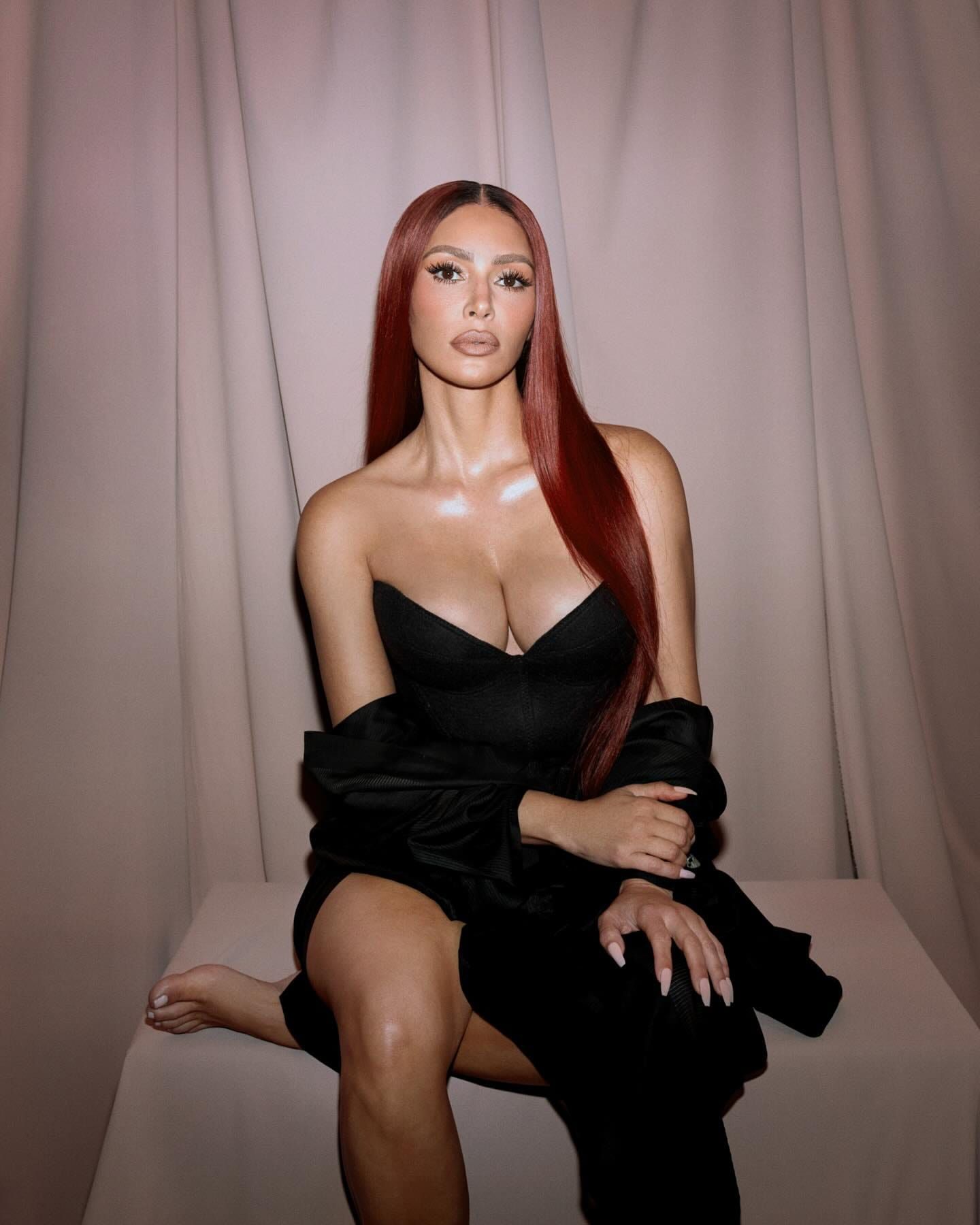
Kim Kardashian transformed from reality TV star to business mogul by leveraging data analytics and AI-driven strategies. Her success across fashion, beauty, and law wasn't luck—it was algorithm-powered. She used consumer behavior data to predict trends, automated social media engagement, and built predictive models for product launches. Today, her empire is a masterclass in how AI and automation can amplify personal brands into billion-dollar businesses.
The Data Behind the Hype: How Algorithms Predicted Her Success
Before launching SKIMS, Kim didn't just guess what customers wanted. She mined years of data from her social media presence—tens of millions of followers, billions of engagements. She used sentiment analysis algorithms to understand what her audience actually craved, not what magazines said they should want.
This is the future of work in entertainment and retail. Instead of relying on gut instinct, brands now use machine learning models to forecast demand, optimize pricing, and identify market gaps. Kim's shapewear line succeeded because the data told her exactly when and how to strike.
Automation at Scale: Managing Millions in Real-Time
Running multiple businesses across continents requires insane levels of automation. Kim's team uses chatbots to handle customer service inquiries, AI-powered inventory management systems, and algorithmic scheduling for content posting across platforms.
Her social media presence doesn't happen accidentally. Posting times are optimized through algorithms that test when her audience is most active. Content recommendations are personalized using machine learning. Engagement rates are tracked in real-time dashboards. This is how a single person manages a multi-billion-dollar empire without losing her mind.
The Beauty Algorithm: Predictive Analytics in SKKN
When Kim launched SKKN, she didn't guess at product formulations. Her skincare line was built using predictive analytics that analyzed millions of beauty consumer data points. Machine learning models identified gaps in the market where demand exceeded supply but competition was low.
This is the automated future of product development. Instead of lengthy R&D cycles, brands now use AI to predict what sells before manufacturing even begins. SKKN's rapid market penetration proves that data-driven product strategy beats traditional approaches.
Influencer Marketing Through Machine Learning
Kim understands something crucial: algorithmic platforms rule attention now. Instagram, TikTok, and YouTube use recommendation algorithms that decide which content gets amplified. She doesn't create content in isolation—she uses A/B testing, sentiment analysis, and engagement prediction models to optimize every post.
Her team analyzes which content triggers the algorithm most effectively. Video length, hashtag placement, posting frequency—all optimized through machine learning. This isn't creativity by accident. It's creativity optimized by AI.
The Law School Pivot: Data-Driven Career Decisions
Kim's pivot into criminal justice reform and law school wasn't random. It was strategic diversification based on brand data. As her core demographic matured, algorithms showed declining engagement in pure fashion content. Legal advocacy and social justice content trended upward among her audience.
Her team likely used predictive analytics to forecast which industries would absorb her credibility next. Law school represented high-barrier-to-entry prestige, which her audience data suggested would elevate her brand authority. Smart move. Smart algorithms.
Content Personalization and the Algorithm Wars
Every piece of content Kim produces is tested against algorithmic predictions. Engagement forecasting models tell her team which content will perform before it even goes live. She's competing not just with other celebrities, but with the algorithms themselves.
Her KUWTK success wasn't just entertainment—it was data generation. Every episode, every scene, every conversation generated millions of data points. That data became her competitive advantage. She knew her audience at a granular level that competitors couldn't match.
The Future: AI-Driven Personal Branding
Kim's empire is a template for how AI and automation reshape personal brands. The celebrities winning in 2024+ aren't the ones with the best talent. They're the ones leveraging data analytics, predictive modeling, and algorithmic optimization most effectively.
Her model shows that future success demands tech fluency. Whether you're building a personal brand or scaling a business, understanding your audience through data is non-negotiable. Automation handles scale. Algorithms handle distribution. Humans handle creativity.
Key Takeaways: Data-Driven Lessons for Your Brand
- Mine your own data: Use your existing audience to predict future demand. Analyze engagement, sentiment, and behavior patterns.
- Automate relentlessly: Let AI handle scheduling, customer service, and optimization. Save human effort for strategy and creativity.
- Test constantly: Use A/B testing and machine learning to forecast content performance before full launches.
- Diversify strategically: Use predictive analytics to identify new markets and industries that align with your audience's evolving interests.
- Compete with algorithms: Understand platform recommendation systems. Optimize for algorithmic amplification, not just human appeal.
The FAQ Section
How does AI actually help build a billion-dollar business?
AI automates routine decisions (when to post, what price to set, which inventory to stock) and provides predictive insights (what customers want next, which markets to enter). This frees humans to focus on strategy and creativity while algorithms handle optimization and scale.
Did Kim Kardashian explicitly use AI for her success?
Probably not all consciously from day one. But her team definitely does now. More importantly, whether she called it "AI" or not, she's always been data-obsessed—tracking metrics, testing content, optimizing engagement. That's applied AI thinking.
Can regular people use these same strategies?
Yes. You don't need millions of followers to leverage data analytics. Free tools like Google Analytics, social media insights, and basic A/B testing give you the same algorithmic thinking at any scale. Start small, test constantly, let data guide decisions.
What's the biggest AI trend in celebrity branding right now?
Personalization at scale. Algorithms can now predict what each individual follower wants to see, so brands are moving away from one-size-fits-all content toward algorithmic feed customization. The future is micro-targeted content, not mass broadcasts.
Is automation killing human creativity in business?
No. Automation is killing boring, repetitive decisions. It's freeing humans to do more strategic, creative work. Kim's teams aren't replaced by algorithms—they're augmented. Humans set vision. Algorithms execute and optimize. Together, they're unstoppable.
Related Reading
Check out our piece on How Influencer Algorithms Are Reshaping the Creator Economy to understand platform dynamics beyond celebrity.
Also explore AI-Driven Marketing Automation: The Future of Brand Building for tactical implementation strategies.
For deeper dives into Predictive Analytics in Modern Business Strategy, we've got you covered too.


 HTML_CONTENT>