How AI-Powered Inventory & Algorithms Built LEAU Into a Fashion Empire
LEAU founder Gia Mezz used AI-powered inventory management and demand forecasting algorithms to scale a luxury minimalist fashion brand from zero to empire in just years. Here's how automation and data analytics are reshaping fashion entrepreneurship.


By YEET Magazine
In 2020, Gia Mezz launched LEAU as a side hustle. Today it's a luxury womenswear empire. The secret? Smart use of data, automation, and algorithms. LEAU uses AI-powered inventory management to predict demand, optimize stock levels, and minimize waste. Real-time analytics track customer behavior. Automated recommendation engines personalize shopping. Machine learning algorithms price dynamically. The result: a sustainable fashion brand that scales efficiently without overproduction. This is how modern founders compete.
Most fashion brands drown in dead inventory. Not LEAU. They implemented predictive analytics that forecast demand weeks ahead. AI algorithms analyze social media sentiment, search trends, and historical sales to determine what pieces will sell—and in what sizes. This data-first approach cuts waste and maximizes margins.
Automation doesn't mean soulless. LEAU's capsule wardrobe concept is *about* minimalism. AI helps them commit to it. Fewer SKUs, smarter production, less environmental damage. The brand uses machine learning to optimize supply chain decisions, from fabric sourcing to fulfillment. Every decision is backed by data.
Customer experience runs on algorithms too. Recommendation engines suggest complementary pieces based on browsing behavior and purchase history. Email campaigns are automated but personalized—segmentation algorithms determine which customers get which messages, when, and how often. Conversion rates spike when messaging is algorithmically optimized.
Gia Mezz never had to be a data scientist. She used existing AI tools: Shopify's built-in analytics, third-party inventory software, email automation platforms. The competitive edge came from *thinking in data*. Every product decision got validated against metrics. Every campaign measured. Every customer interaction tracked.
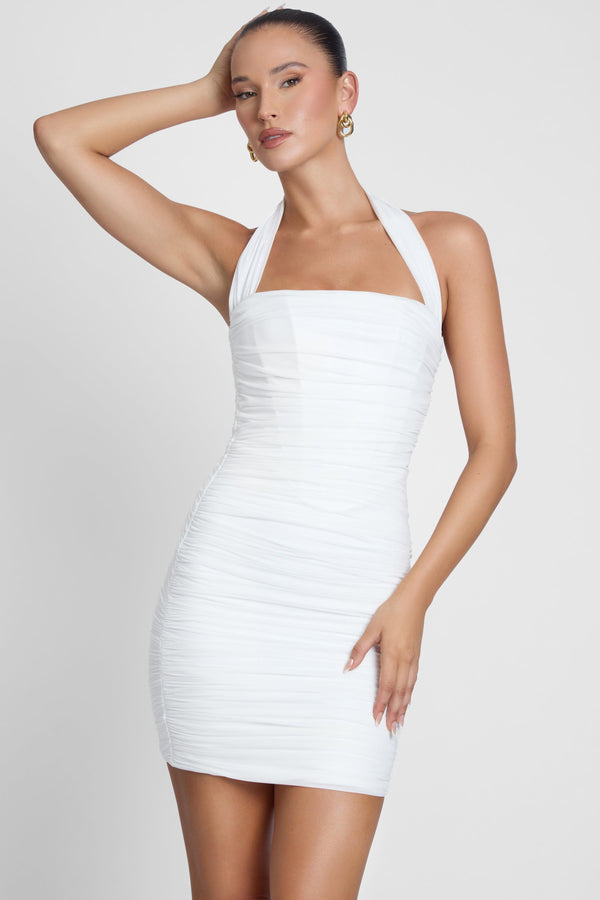
This is the future of fashion entrepreneurship. It's not about luck or taste anymore—it's about who can harness algorithms and data fastest. LEAU proved you can build a sustainable, ethical brand using automation and still feel human. The corsets are beautiful. The business is smart.
How does LEAU keep costs low while maintaining luxury quality?
AI demand forecasting prevents overproduction. They only make what data says customers will buy. No bloated inventory sitting in warehouses. Lower carrying costs = lower final prices without cutting into margins.
What happens if the algorithm predicts wrong?
Machine learning models improve with each season. Early predictions have higher error rates. LEAU uses A/B testing on smaller batches to validate trends before full production runs. Humans still make final calls—algorithms inform, not dictate.
Can smaller fashion brands afford this tech?
Absolutely. Shopify, Klaviyo, and Inventory Labs cost $50–500/month. That's accessible. The barrier isn't money—it's mindset. Most founders still operate on gut feel instead of data.
Does using algorithms hurt fashion creativity?
Data informs *what to make*, not *how to design it*. LEAU's aesthetic vision is unchanged. Algorithms just ensure the vision reaches people who want it. Creativity + data = better outcomes.
How do you balance sustainability with growth scaling?
Algorithms prevent overproduction, which is the biggest waste culprit. By matching supply to actual demand, you grow *responsibly*. LEAU scales without the landfill impact of traditional fashion.




Related reads:
How AI Personalization Engines Boost Fashion E-Commerce Sales
Demand Forecasting: Why Algorithms Beat Human Intuition in Retail