Mastering the Quilt Technique: A Guide to Outsmarting Manipulators
Common manipulation tactics types of manipulators in robotics 4 types of manipulation types of manipulation powers types of psychological manipulation types of manipulation in relationships professional manipulator signs of a manipulative man types of manipulation gaslighting


Explore strategies to outsmart manipulators in this insightful article. Learn how to protect your emotional well-being and deal with manipulative behavior effectively.
by YEET MAGAZINE | Published on October 20, 2023
Protecting Yourself from Manipulation: Strategies and Insights
It's crucial to be vigilant about manipulative behavior and take steps to safeguard yourself from potential manipulation. In this article, we'll explore techniques to deal with manipulative individuals, commonly referred to as the "quilt technique." These strategies can help you maintain your emotional well-being and assertiveness when faced with manipulation.
- Be Silent
When confronted with manipulative sentences or behaviors, silence can be a powerful tool. Pausing before responding gives you time to gather your thoughts, and it can often cause the manipulator to reconsider their actions. By allowing the emotional impact to subside, you regain control of the situation.
2. Ask Contextual Questions
Instead of falling into the manipulator's trap, respond with contextual or factual questions. This approach helps you maintain a rational perspective and often disrupts the manipulative behavior. For example, asking for more information about the situation can bring clarity to the conversation.

3. Metacommunicate
Shifting the focus from the content of the discussion to the dynamics of the interaction is a powerful strategy. Express your feelings and concerns about the manipulation in a constructive and caring manner. By discussing the process taking place, you might make the manipulator rethink their actions and potentially stop their manipulation.

4. Make a Later Appointment
In cases where the previous steps aren't effective, it may be necessary to step back. Suggest continuing the conversation at a later time, on your terms. This provides you with an opportunity to think, regain composure, and reevaluate the situation.
Not all manipulators are the same, and some may be more challenging to deal with than others. In severe cases, it might be necessary to disengage entirely from the manipulator to protect your well-being. Setting clear personal boundaries is crucial.
It's also essential to trust your instincts when dealing with manipulative individuals. Seeking support from trusted friends, family, or professionals can offer guidance and emotional support during challenging times. Recognizing manipulative behavior and employing self-care measures is essential, as dealing with manipulators can be emotionally draining.
Recognizing Manipulative Behavior
Manipulative individuals often employ tactics like guilt-tripping, victim-playing, gaslighting, and emotional manipulation. Recognizing these tactics is the first step in addressing manipulation.
Gaslighting
Passive aggression
Guilt
Lying
Silent treatment
Victimhood
Denial
Consequences of manipulation
Implicit threats
Isolation
Love bombing
Withholding
Fearing losing control or being judged
Flattery
Shaming
They always deflect blame
Setting Boundaries
Establish clear personal boundaries, and be ready to enforce them. Make it known what behaviors are unacceptable in your interactions with manipulative individuals.
Assertiveness
Being assertive allows you to express your needs and feelings clearly and confidently while respecting the boundaries of others. It's a valuable tool to stand up to manipulators and communicate your expectations effectively.

Self-Care
Dealing with manipulative people can be emotionally draining. Ensure you practice self-care by taking time to relax, reflect, and engage in activities that rejuvenate you.

Seek Support
Seeking support from friends, family, or a therapist when dealing with manipulation can provide valuable insights and emotional support.


Trust Your Instincts
Your intuition is a reliable guide in identifying manipulative behavior. If something doesn't feel right, trust your instincts.

Learn About Manipulation Techniques here :
Familiarize yourself with common manipulation tactics and strategies to effectively recognize and counter manipulation.
Maintain Emotional Distance
Emotional distance can help you stay calm and focused during interactions with manipulators, making it more challenging for them to control the situation.

Consider Professional Help
In cases of severe manipulation causing harm or distress, professional intervention may be necessary. Therapists and counselors can offer guidance on how to cope with and respond to manipulative behavior.

Practice Empathy but Stay Vigilant
Understand the perspective of others but remain vigilant for signs of manipulation. Compassion and vigilance can coexist.

Document Interactions
Keep a record of interactions, including dates, times, and specific instances of manipulation. This documentation can serve as valuable evidence if formal or legal action is needed.

Practice Detachment
Emotional detachment can help you remain composed when dealing with manipulators. It involves viewing their behavior objectively rather than taking it personally.

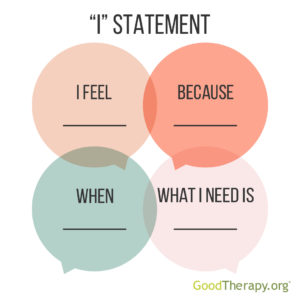
Use "I" Statements
Express your concerns and boundaries using "I" statements to focus on your feelings and needs, rather than placing blame on the manipulator.
Educate Yourself
Learn more about manipulation, narcissism, and related topics by reading books and articles. Understanding the psychology behind manipulative behavior can empower you to navigate these situations effectively.
Avoid Being Defensive
Instead of getting defensive, stay calm and assertive in your responses when confronted with manipulation.

Consider Mediation
Involving a neutral third party, such as a mediator or therapist, can facilitate communication and resolution when dealing with manipulative individuals.

Limit or Cut Contact
If manipulative behavior continues despite your efforts, consider reducing or cutting off contact with the individual to prioritize your well-being.

Understand Manipulator's Motives
Recognize that manipulators often act out of insecurity, fear, or the need for control. Understanding their motives can help you approach the situation with compassion while maintaining your boundaries.

Stay Informed About Legal Protections
Familiarize yourself with relevant laws and legal protections in your jurisdiction, especially if manipulation crosses legal boundaries.
Trust Your Support System
Lean on trusted friends and family for emotional support. Share your experiences with them and consider their perspectives when dealing with manipulators.
In conclusion, dealing with manipulative individuals can be a complex and emotionally challenging process. It may require time, patience, and a combination of strategies to effectively manage and eventually disengage from manipulative individuals. Always prioritize your well-being and mental health. If you ever feel unsafe or threatened, seek help from authorities or legal professionals.
Related content :
Mastering the Quilt Technique: Outsmarting Manipulators
Recognizing Manipulative Behavior: A Guide to Protecting Yourself
Psychology of Manipulation: Tactics and Strategies
Building Healthy Boundaries: Shielding Against Manipulation
Emotional Intelligence in Dealing with Manipulative People
Self-Care Strategies for Coping with Manipulative Behavior
The Power of Empathy in Handling Manipulative Individuals
Effective Communication Skills to Defend Against Manipulation
Understanding Manipulators: Motives and Characteristics
Navigating Workplace Manipulation: Tips for Success
Confidence and Self-Empowerment: Keys to Manipulator Defense
Books for Dealing with Manipulative Behavior: Must-Reads
Staying Mentally Resilient in Manipulative Situations
Understanding Manipulation Techniques
Healthy Boundaries in Relationships
Emotional Intelligence and Empathy
Psychology of Manipulative People
Effective Communication Skills
Personal Development and Self-Empowerment