Millennials & Gen Z Shape Sportswear Fashion: How AI Personalization Powers the Trend
Millennials and Gen Z are reshaping the sportswear industry beyond traditional athletic wear into a lifestyle movement. AI-powered personalization and machine learning algorithms are now amplifying how these generations influence brand design, sustainability practices, and consumer engagement at unp

Fashion | Trends | Millennials & Gen Z Influence on Sportswear & AI Innovation
By YEET Magazine Staff | Updated: May 13, 2026
How Millennials & Gen Z Shape Sportswear Fashion: The AI Personalization Revolution
Millennials and Gen Z are redefining the sportswear industry in ways that extend far beyond traditional performance apparel. These digitally native generations are driving a global lifestyle movement that now intersects with artificial intelligence, machine learning, and predictive analytics. Brands are leveraging AI algorithms to understand how Gen Z and Millennials shop, customize products, and express their individual style through sportswear—creating a feedback loop where consumer preferences directly shape design innovation.
A New Era of Sportswear: Beyond Performance, Into Personalization
The modern sportswear landscape has transformed dramatically from its roots as purely functional athletic gear. Millennials and Gen Z view sportswear as an extension of their identity, lifestyle, and values. What makes this shift particularly significant in 2024 is how artificial intelligence now powers this personalization at scale. Major brands are deploying AI recommendation engines that analyze browsing behavior, purchase history, social media activity, and even color preference data to suggest products tailored to individual consumers. Nike's AI-powered customization platform, for instance, uses neural networks to predict which design combinations will appeal to specific demographic segments, allowing users to create truly unique sneakers while simultaneously feeding brand data that refines future collections.
The Rise of Athleisure: A Cultural Phenomenon Amplified by AI
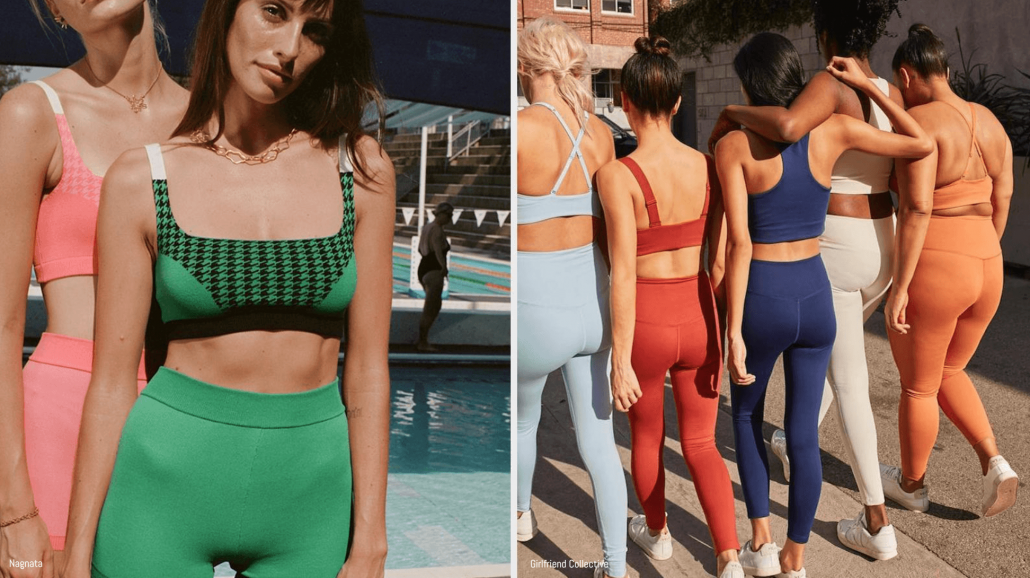
Athleisure—the seamless fusion of athletic and casual wear—has become the dominant trend in sports fashion, and Millennials and Gen Z are the primary drivers of this shift. The category has exploded because these generations prioritize comfort, versatility, and authenticity. What's fascinating is how AI is now supercharging this trend. Machine learning algorithms analyze social media posts, TikTok trends, and Instagram engagement metrics to identify emerging athleisure styles before they go mainstream. Lululemon, Nike, and Adidas are using computer vision AI to scan street style photography and detect micro-trends—like specific sleeve lengths, fabric textures, or color combinations—that resonate with younger consumers. This data-driven approach means that leggings, sneakers, and performance hoodies aren't just acceptable in the office; AI is actively predicting which specific styles will become essential wardrobe staples, influencing inventory decisions months in advance.
Sustainability and Ethical Consumerism: AI Transparency in Sportswear
Environmental consciousness is non-negotiable for younger consumers, and this value is reshaping the entire sportswear supply chain. According to a 2024 Nielsen report, 73% of Gen Z and Millennials prefer brands that prioritize sustainability. Sportswear giants are responding not just with sustainable practices, but with AI-driven transparency. Adidas has committed to making 90% of its products sustainable by 2025, and they're using AI-powered supply chain tracking to verify and communicate these efforts to consumers. Emerging brands like Girlfriend Collective are leveraging blockchain and machine learning to provide transparent sustainability reports that appeal to the verification-minded younger demographic. AI systems now track material sourcing, calculate carbon footprints in real time, and use natural language processing to translate complex sustainability data into consumer-friendly messaging. This technological transparency layer has become essential because Millennials and Gen Z demand proof—they want to see the data, trace the supply chain, and verify brand claims. AI is the technology making this verification possible at scale.
The Digital Transformation of Sportswear: How AI Powers E-Commerce Evolution
The intersection of social media, e-commerce, and artificial intelligence has fundamentally transformed how sportswear brands interact with Millennials and Gen Z consumers. Digital-first marketing is no longer a strategy—it's a requirement. AI chatbots now handle customer service inquiries with natural language processing sophisticated enough to understand generational slang and vernacular. Influencer collaborations are being optimized by AI systems that predict which micro-influencers will drive the highest engagement and conversion rates for specific products. Virtual try-on technology, powered by augmented reality and computer vision, allows consumers to see how sportswear looks on their body type before purchasing. In 2024, Nike's AI-powered sneaker customization platform went beyond simple design tools; it now uses generative AI to suggest color combinations and materials based on the user's style profile, fashion history, and even mood indicators tracked through their digital behavior. Meanwhile, brands are investing in NFTs and digital-only apparel collections, reflecting the growing intersection between physical fashion and the metaverse. The metaverse itself is being populated by AI-generated fashion advisors that help Gen Z consumers navigate virtual storefronts and build digital wardrobes.
Sportswear and Individuality: How AI Enables Authentic Self-Expression
For Millennials and Gen Z, sportswear represents far more than functionality—it's a statement of identity, values, and individuality. This generation has rejected the one-size-fits-all approach to fashion, demanding customization, uniqueness, and authentic self-expression. AI is making this possible at unprecedented scale. Limited-edition sneaker drops, a cultural phenomenon driven by younger consumers, are now managed by AI algorithms that predict demand, manage inventory scarcity, and authenticate products to prevent counterfeiting. Machine learning systems analyze which design elements—from colorways to material textures to silhouette details—resonate with specific subcultures within Gen Z. Bold, experimental colorways that would have seemed "risky" to traditional fashion designers are now being validated by AI systems that identify emerging color preferences in social media data before designers even know they exist. Gender-fluid and boundary-breaking designs are being championed because AI has identified that Millennials and Gen Z consumers actively seek products that reject traditional gender categorization in fashion. Personalization engines now allow consumers to customize almost every element of their sportswear, from shoe sole patterns to fabric weight, creating truly one-of-a-kind pieces that reflect individual style rather than conforming to predetermined options.
Sneaker Culture Meets Data Science: How AI Predicts the Next Hype Drop
Sneaker culture has become a defining characteristic of Millennials and Gen Z style, and AI is now playing an increasingly central role in this ecosystem. Brands use predictive analytics to forecast which sneaker designs will become collector's items, which collaborations will drive maximum hype, and when to release limited editions to maximize scarcity and demand. Resale platforms like StockX use machine learning to price sneakers dynamically based on demand fluctuations, release timing, and market sentiment detected through social listening tools. AI monitors conversations across Discord, Reddit, Twitter, and TikTok to identify emerging preferences and predict which sneaker drops will sell out within minutes. This data-driven approach means that sneaker culture—once driven purely by personal taste and community vibes—is now increasingly informed by algorithmic prediction, creating a fascinating feedback loop where AI-predicted trends become self-fulfilling as consumers discover them through recommendation engines.
The Role of AI in Brand Authenticity: Why Younger Consumers Demand Algorithmic Transparency
Millennials and Gen Z have
Frequently Asked Questions
Q: How are Millennials and Gen Z changing the sportswear industry?
A: These generations view sportswear as an extension of their identity and lifestyle rather than purely functional athletic gear. They're driving a global lifestyle movement that demands personalization, sustainability, and individual style expression, pushing brands to innovate beyond traditional performance apparel.
Q: What role does AI play in sportswear fashion today?
A: AI-powered algorithms help brands understand consumer shopping behaviors, preferences, and customization desires. Machine learning and predictive analytics create a feedback loop where consumer data directly influences design innovation and product development in real-time.
Q: Why is personalization becoming so important in sportswear?
A: Millennials and Gen Z prioritize individual expression and authenticity. AI personalization allows brands to offer customized products tailored to each consumer's unique style, values, and preferences, creating a more meaningful connection between buyer and brand.