How AI and Zero-Day Exploits Could Trigger the Next Cyber Apocalypse (Netflix's 'Zero Day' Gets It Right)
Netflix's new thriller 'Zero Day' isn't just entertainment—it's a chilling glimpse at how AI-powered cyberattacks and automated exploits could cripple entire nations. Robert De Niro's TV debut dives into the terrifying reality of algorithmic warfare that experts say is closer than we think.

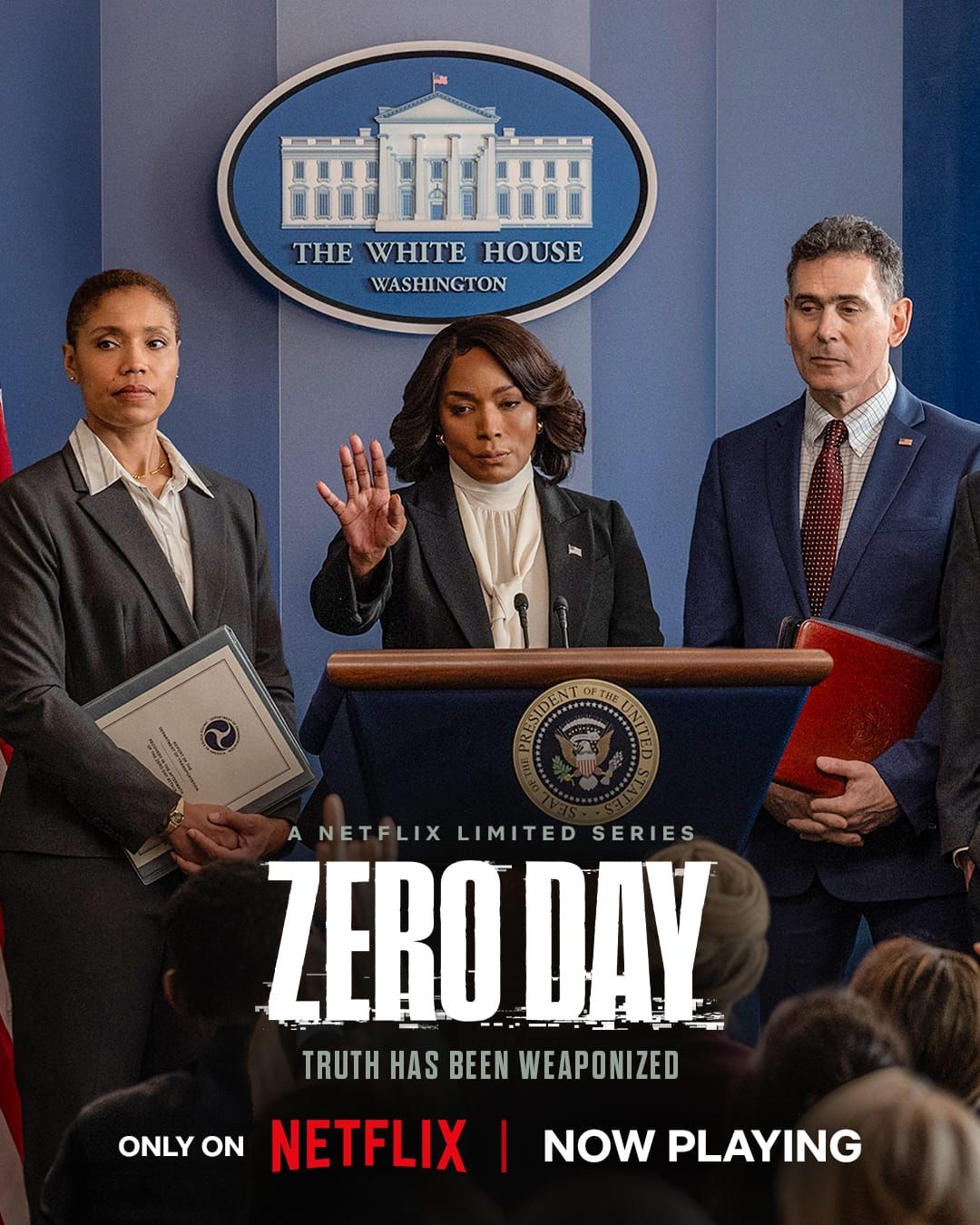
Can an AI-orchestrated cyberattack really take down an entire nation? Netflix's new political thriller 'Zero Day' suggests it's not just possible—it's inevitable. The six-episode limited series, released February 20, 2025, follows Robert De Niro as a former U.S. President tasked with investigating a devastating coordinated cyberattack. The show explores how algorithmic vulnerabilities, automated exploit chains, and AI-assisted hacking could bypass human defenses faster than we can respond. Spoiler: it's terrifyingly plausible.
In 'Zero Day,' De Niro portrays George Mullen, dragged out of retirement to lead the Zero Day Commission after a massive cyberattack cripples the nation's infrastructure. The show's title refers to undetected software vulnerabilities—the kind that hackers (and potentially AI systems) can exploit before security teams even know they exist.
What makes this different from typical cyber thrillers? The series doesn't just show hackers typing furiously. It explores how automated systems, machine learning algorithms, and coordinated digital weapons could orchestrate simultaneous attacks across power grids, financial systems, and government networks—moving faster than human response teams can react.
Cybersecurity experts have praised the show's accuracy. The concept of a widespread, AI-assisted cyberattack targeting critical infrastructure isn't fiction anymore. Machine learning models can now identify and exploit vulnerabilities at machine speed. Ransomware-as-a-service platforms use algorithms to target vulnerable systems automatically. Nation-states are already investing in AI-powered cyber weapons.
The show's stellar cast delivers serious performances. Angela Bassett plays President Evelyn Mitchell, the current leader facing an unprecedented crisis. Lizzy Caplan portrays Alexandra Mullen, a congresswoman and the former president's daughter. Jesse Plemons steals scenes as Roger Carlson, a former aide holding key secrets about the attack's origins.
De Niro's TV debut has surprised critics. His commanding performance as the conflicted, pulled-back-into-action ex-president grounds the increasingly wild conspiracy revelations in human stakes. He's not just reacting to plot points—he's grappling with how outdated his understanding of modern cyber threats really is.
The real thriller? How automation has changed the game. Traditional cyberattacks required human hackers to manually probe systems, identify weaknesses, and execute code. AI-assisted attacks work differently. Algorithms can scan millions of systems in seconds, identify patterns humans would miss, and launch coordinated strikes simultaneously across multiple targets. By the time a security team notices the attack, it's already everywhere.
This is why 'Zero Day' resonates beyond entertainment. The show highlights a genuine gap in our national cybersecurity infrastructure: our human-based defense systems are fundamentally slower than automated attack systems. A single skilled hacker with AI tools might accomplish what previously required entire teams.
The workplace angle matters here too. 'Zero Day' explores how automation is reshaping how we work in crisis response. Security analysts, government officials, and emergency responders are all overwhelmed—not because there's more work, but because the work moves at algorithmic speed. Humans are becoming the bottleneck in their own defense systems.
The show doesn't pull punches about disinformation either. Part of the attack involves sophisticated deepfakes, manipulated data streams, and algorithmic amplification of false narratives. If you can't trust what you're seeing in real-time, how do you mount an effective response? It's a chilling exploration of how AI-generated content destabilizes institutions.
Angela Bassett's President Mitchell becomes increasingly isolated as algorithmic disinformation spreads faster than truth can catch up. It's less about technical hacking and more about how automation and algorithms weaponize information itself.
De Niro's character eventually realizes that investigating the attack requires understanding something he never had to face: how to think like an algorithm. The investigation becomes less about finding individual perpetrators and more about identifying the automated systems coordinating the assault. It's a subtle but crucial shift in how we think about cyber threats.
What 'Zero Day' Gets Right About Automated Threats:
Zero-day vulnerabilities absolutely exist. Software companies release patches constantly because hackers find new exploits faster than developers can close them. An AI system could theoretically identify and exploit these vulnerabilities automatically, cascading failures across interconnected systems. The show's depiction of rapid, simultaneous attacks on multiple infrastructure targets is realistic given current technology.
The show also nails the chaos of response. When every system is compromised simultaneously, traditional incident response breaks down. You can't isolate infected networks because you don't know which ones are infected. You can't trust your communication systems because they might be compromised. Automation creates a decision-making speed that humans fundamentally cannot match.
If you're interested in how automation and AI are reshaping security threats, check out our deep dive on autonomous weapons systems and algorithmic warfare.
FAQ About 'Zero Day' and Real Cyber Threats
Q: Could an AI really orchestrate an attack like 'Zero Day' depicts?
A: Not with current public AI systems, but the underlying concept is sound. Machine learning can identify vulnerabilities faster than humans. Attackers don't need AGI—they need sufficiently advanced automation to probe systems, identify weaknesses, and execute coordinated strikes. Nation-states are already developing these capabilities.
Q: What's a zero-day vulnerability exactly?
A: A software flaw that developers don't know about, so there's no patch. Hackers who discover these get a window of time to exploit them before the company can fix it. It's called "zero-day" because the developer has had zero days to respond.
Q: Is the show's portrayal of government response realistic?
A: Surprisingly, yes. Coordination between federal agencies during a crisis is notoriously slow. By the time decisions filter through bureaucracy, an automated attack has already moved on. The show accurately depicts how organizational structure becomes a liability when facing algorithmic speed.
Q: Could this actually happen tomorrow?
A: Cybersecurity agencies (CISA, NSA, etc.) have been warning about this scenario for years. The infrastructure exists. The vulnerabilities exist. The only question is whether someone has the capability, motive, and will to execute it. That's not reassuring.
Q: What should I be worried about?
A: 'Zero Day' focuses on nation-state-level attacks, which are rare. But automated attacks on private sector infrastructure are happening constantly. Ransomware uses algorithms to identify valuable targets. Credential-stealing malware propagates automatically. The infrastructure for AI-assisted attacks is already deployed—the show just scales it up to national level.
Related Reads on AI and Automation Threats:
Explore how automation is reshaping the workforce and creating new vulnerabilities in human-dependent systems. Understand how algorithms are quietly reshaping society beyond just entertainment and security. And if cyber warfare interests you, dig into how automation changes what "defense" even means in the digital age.
The Bottom Line: 'Zero Day' isn't just good TV—it's a warning encoded in entertainment. The show explores a genuinely terrifying scenario: what happens when automated systems move faster than human institutions can respond? De Niro's performance anchors the philosophical question underneath all the explosions and conspiracies: in a world of algorithmic warfare, what does leadership even mean?
Netflix knows how to manufacture urgency, but 'Zero Day' taps into something real. Watch it for De Niro's first TV role. Stay for the uncomfortable realization that this scenario isn't science fiction—it's just a matter of when, not if.
"