
Nvidia CEO Jensen Huang Faces Scrutiny Over Alleged Chinese Intelligence Links
nvidia ceo jensen huang alleged chinese intelligence relationship megaspeed executive alice huang restricted ai chips china us officials briefed donald trump house committee chairs invite briefing november nvidia denies export rules violation

/automating-future-of-work-ai/
Nvidia CEO Jensen Huang Faces Scrutiny Over Alleged Chinese Intelligence Links
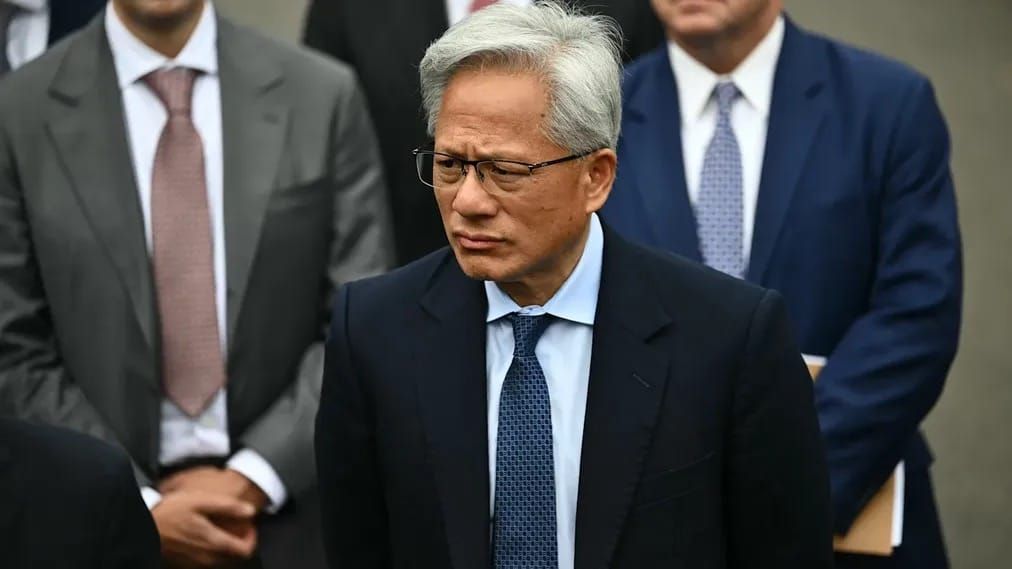
Nvidia CEO Jensen Huang is facing scrutiny after reports alleged that a woman linked to Chinese intelligence cultivated a relationship with him, possibly romantic. The woman, identified in reporting as Alice Huang (also known as Huang Le), reportedly worked for Megaspeed, an Nvidia customer suspected of acquiring restricted AI chips for China.
According to multiple outlets citing U.S. intelligence assessments, Alice Huang was believed to have been recruited by China’s Ministry of State Security. U.S. officials are said to have briefed then-President Donald Trump on the matter. Nvidia has not confirmed any alleged personal affair and has denied violating export rules. The company has described Huang’s interactions with the Megaspeed executive as ordinary customer meetings and stated that regional cloud partners receive only standard business information, not sensitive trade secrets or national-security-relevant data.
Megaspeed, a Singapore-based cloud and data-center firm, previously drew scrutiny from the Commerce Department over concerns it may have helped Chinese entities circumvent U.S. export controls on advanced Nvidia AI chips. Nvidia has said those diversion allegations were investigated and debunked.
Congressional Invitation
Three House committee chairs—Brian Mast (Foreign Affairs), John Moolenaar (Select Committee on China), and Rick Crawford (Intelligence)—have invited Huang to a joint closed-door briefing in November. The lawmakers cited national-security concerns regarding the People’s Republic of China’s access to sensitive U.S. technology and information, and they requested discussion of both Huang’s reported interactions with Alice Huang and Nvidia’s security protocols against foreign adversary espionage.
The invitation underscores ongoing congressional focus on AI supply-chain security and the risk of foreign intelligence targeting executives at leading U.S. technology firms. Related coverage of export-control enforcement and the broader competition over advanced semiconductors can be found in our U.S.–China technology competition series and our analysis of AI chip export controls.
Company Response
Nvidia has consistently maintained that its customer engagements follow normal commercial practices and that it complies with applicable export regulations. The company has not confirmed the nature of any personal relationship and has emphasized that it does not share classified or national-security-sensitive information with customers.
As the story develops, further reporting is expected on the intelligence assessments, the status of any ongoing investigations, and whether Huang accepts the congressional invitation. For ongoing coverage of Nvidia’s role in the AI infrastructure build-out and related policy debates, see our Nvidia and AI infrastructure archive.