How Ralph Lauren Used Data & Algorithms to Build an $11B Fashion Empire
Ralph Lauren didn't just design clothes—he engineered an entire consumer mythology. His $11B empire was built on understanding data patterns before AI existed, making him a blueprint for how algorithms and automation now power luxury brands.

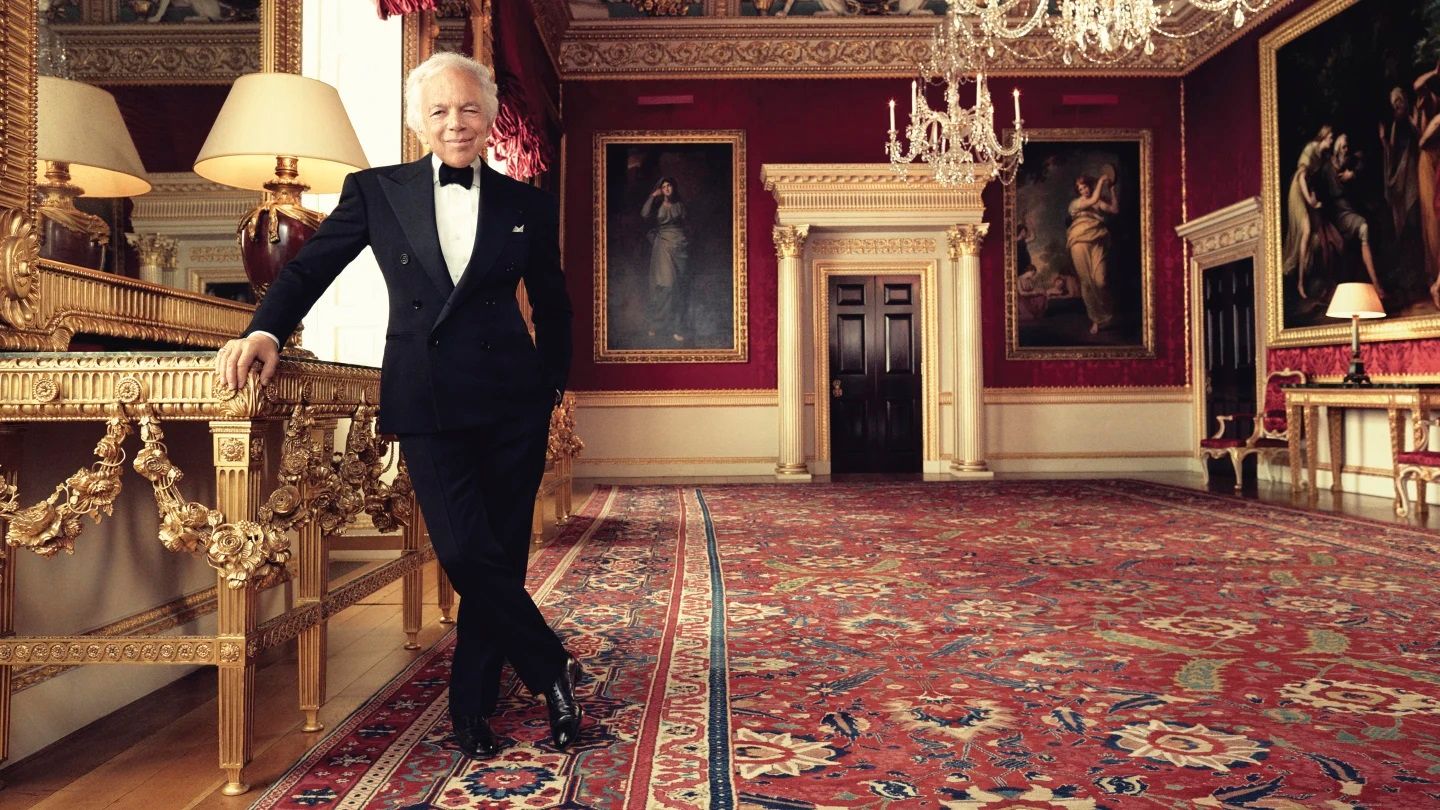
How AI and Data Shaped Ralph Lauren's $11B Fashion Empire
Before machine learning algorithms optimized inventory, Ralph Lauren was already thinking like an AI: predict what customers want before they know it themselves. His $11B empire proves that understanding human behavior patterns—whether through intuition or algorithms—is what separates fashion from fashion empires. Lauren built an inclusive, multi-tier brand ecosystem that modern retail AI now tries to replicate. He democratized luxury when exclusivity ruled. Today, his playbook is being automated: brands now use predictive analytics and machine learning to do what Lauren did manually for 52 years.
It's Saturday night during New York Fashion Week, and an abandoned bank on Wall Street has been staged to look like the most sublime 1920s nightclub you've ever seen. A jazz band plays. Waiters in white suits serve champagne and martinis. The room is abuzz.
Anna Wintour sits next to Cate Blanchett, while fashion It-girls Eva Chen and Lauren Santo Domingo chat with British Vogue editor Edward Enninful. Janelle Monáe, the evening's star performer, sashays and preens and struts, singing jazz standards, picking up revellers' champagne coupes and smashing them to the ground, sending a frisson through the crowd.
Lauren recreated the Jazz Age to celebrate New York Fashion Week—but more importantly, he was creating data: brand sentiment, customer demographics, aspirational messaging. Every detail was intentional.
As the models – dressed in sumptuous velvet suiting and tuxedo‑inspired gowns and drop-waist flapper frocks – finish their walks, they take their positions at the gleaming black bar, laughing among themselves.
"It's all fake," whispers the man next to me, another journalist. "The whole thing, nothing is real."
That's the point. Modern fashion brands use automation and algorithms to create the same illusion at scale. Lauren did it manually. Now? AI generates personalized brand experiences for millions of customers simultaneously.
Building an Algorithm Before Algorithms Existed
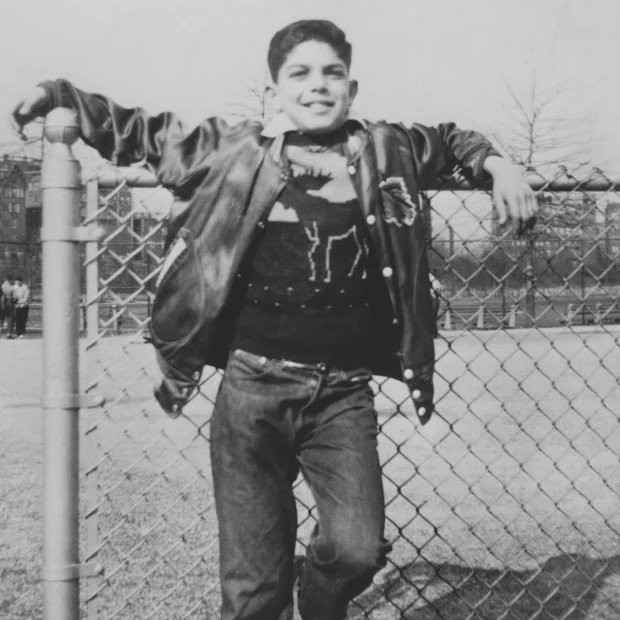
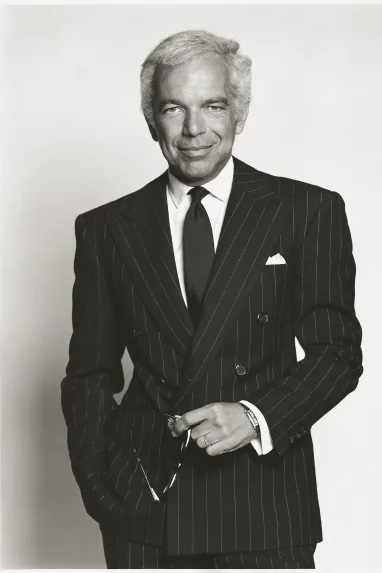
A man defined by his own mythology, Ralph Lauren has, over 52 years of business, pulled off nothing less than the American dream. He's the immigrant son who became the establishment and whose preppy look came to define it. He is to America what Chanel is to France.
His biographer, Jeffrey Trachtenberg, wrote that Lauren "didn't fantasise about becoming a fashion designer, he became a designer to fulfil his fantasies". The irony? His fantasy-building process was deeply analytical. He studied film. He studied customer behavior. He studied aspiration.
His brand – so intimately connected with his own image – embodies an upwardly mobile success story. It's powered by the rare ability to dress the customer who feels most comfortable drinking beer on the back porch, as well as the one who'd prefer champagne in a New York penthouse.
Today, fashion AI does exactly this: it segments customers into micro-audiences and delivers personalized product recommendations based on browsing history, purchase patterns, and demographic data. Lauren did it through intuition and storytelling. Modern brands do it through machine learning models.
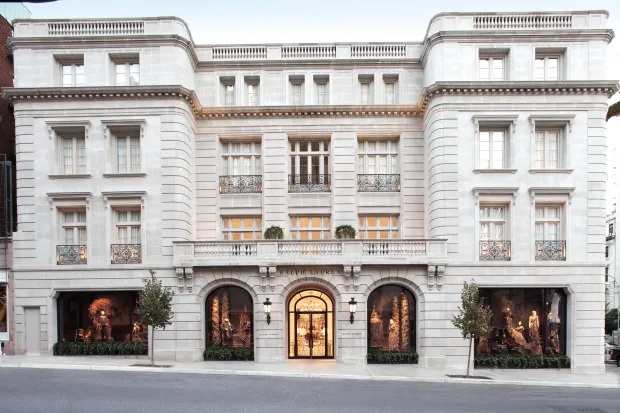
"When I design the clothes," Lauren tells me at his Madison Avenue womenswear flagship, "I'm thinking of a movie."
This is nothing new; Lauren has been openly obsessed with cinema his entire life. He understood narrative structure, emotional arcs, character development. In today's terms, he was building the brand algorithm by reverse-engineering human emotion.
"There's a mood," he continues. "I was thinking, let's do tuxedos. Then it expanded into gowns. And then I thought, they should be in a club, that's where these women belong. Somewhere that doesn't exist any more, something that should still exist. And I thought, everyone will want to be part of this club. Everyone."
This isn't just philosophy—it's data-driven storytelling. Lauren identified a gap in the market (accessible luxury), understood consumer psychology (people want to belong), and automated it through his brand (consistent messaging, tiered pricing, lifestyle marketing).
Democratizing Fashion Through Multi-Tier Architecture
It's an ideal Lauren built his whole career on, and one that is unusual in the world of fashion: inclusivity. Most fashion is about pricing people out. What Lauren did was make fashion—or, as he puts it, style—democratic and attainable.
He created a category between luxury and mass, and was swiftly copied by the likes of Calvin Klein and Donna Karan. Before high-street chains such as Banana Republic, The Gap, and J. Crew made affordable but aspirational-looking jeans and button-down shirts in the noughties, Ralph Lauren was doing it in the '70s.
This is essentially what modern fashion retailers do with algorithmic product recommendation engines and dynamic pricing. They segment inventory, personalize offers, and maximize conversion across multiple customer tiers—all automated.
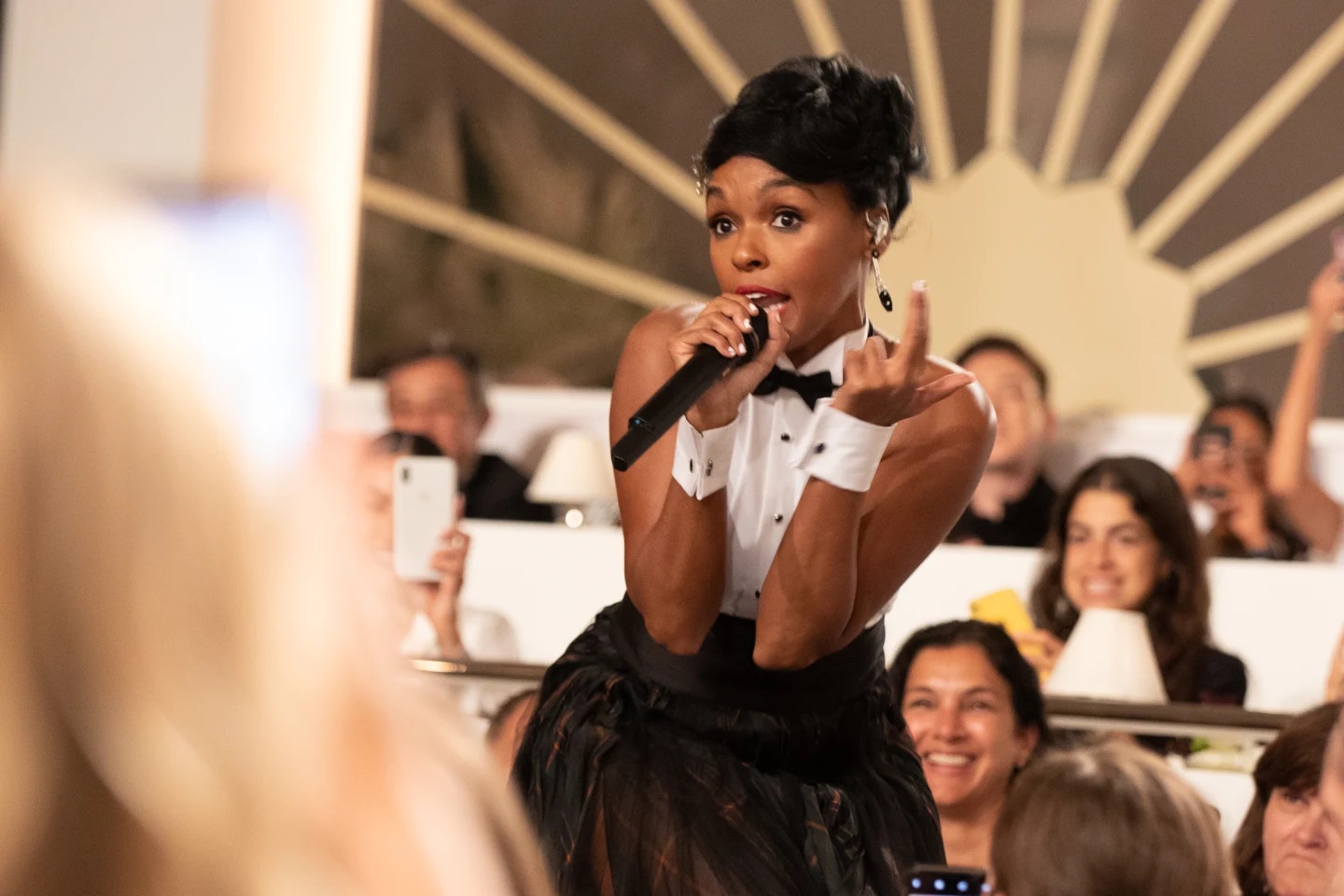
Janelle Monáe was the star attraction at Ralph's Club—another data point in an elaborate brand experience.
The Hollywood Algorithm
Inspired in large part by Hollywood – films that exposed him to a life he never knew existed, full of travel and riches – Lauren created not just clothes but an entire world. He was pattern-matching against cultural narratives.
The story of his success is well told: he was the boy from the Bronx, born Ralph Lifshitz, without higher education or design training, who Anglicised his name and has become such a symbol of WASP ideals that many people still mispronounce his name as "Lo-REN" in the French manner, rather than "LAW-ren".
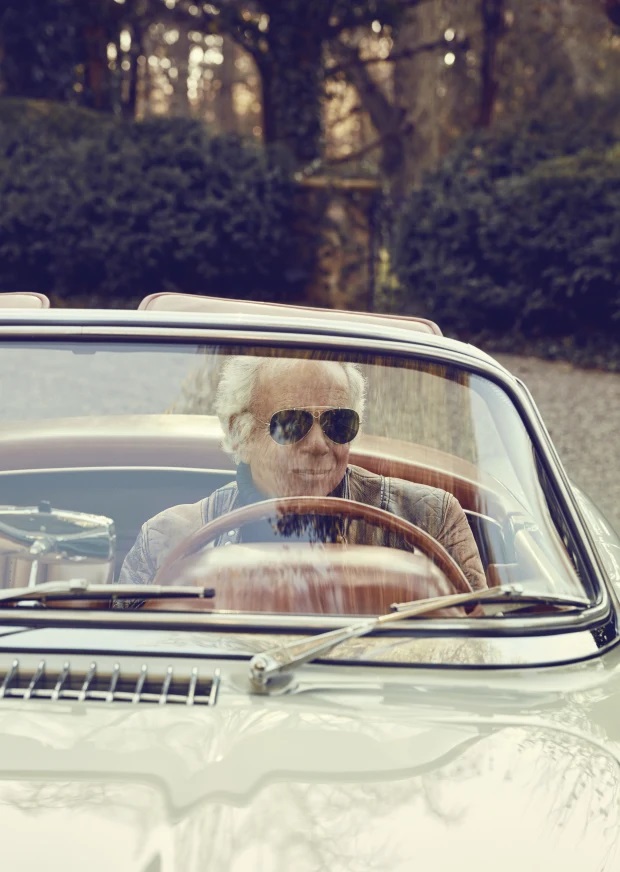
He started by selling neckties at Brooks Brothers and walked away from a Bloomingdale's deal in 1967 because he understood something executives didn't: that brand mythology and narrative control are worth more than immediate distribution.
What Ralph Teaches Us About AI in Retail
Ralph Lauren's playbook—understand your customer better than they understand themselves, create aspirational narratives, tier your offerings, remain consistent across touchpoints—is now the foundation of AI-powered retail.
Modern fashion brands use machine learning to do what took Lauren decades of manual intuition: predict demand, optimize inventory, personalize marketing, and scale the brand mythology across millions of customers simultaneously.
The difference? Lauren had taste. He had vision. He had taste. Most AI lacks those things—for now. The future winners will be brands that combine algorithmic optimization with authentic storytelling, exactly what Ralph Lauren built manually in 1968.
---
Questions People Ask
How does AI help fashion brands replicate what Ralph Lauren built?
Machine learning models analyze customer behavior data to predict preferences, optimize pricing across tiers, and personalize marketing. Retailers like Stitch Fix and Rent the Runway use AI recommendation engines to deliver the same "something for everyone" strategy Lauren pioneered—but at algorithmic scale.
Did Ralph Lauren actually use data to build his empire?
Not in the modern sense. He used market intuition, cultural observation, and obsessive attention to brand consistency. But his methodology—segment customers, understand aspiration, maintain narrative coherence—is exactly what modern retail algorithms now automate.
Can AI ever replace the creative vision that built Ralph Lauren?
Not yet. AI excels at optimization and pattern recognition but struggles with cultural intuition and authentic vision. The next wave of fashion success will come from brands that use AI as a tool, not a replacement, for human creativity.
What's the biggest lesson from Ralph Lauren for tech-driven brands?
Build an ecosystem, not just a product line. Lauren created a complete lifestyle narrative. Modern brands that win will use data and automation to scale that narrative, not abandon it.
---
Related Articles
Learn more about how AI is personalizing retail experiences and transforming how brands understand customers. Or explore machine learning in fashion inventory management and how automation is reshaping supply chains. For deeper insights, check out the future of brand storytelling in an algorithmic age.