
Shoplifting Declines 12% as Retail Fraud Schemes Explode — NRF Report
Shoplifting dropped 12.4% in 2025, but phone scams, gift card fraud, and cargo theft are rising sharply, according to the NRF.

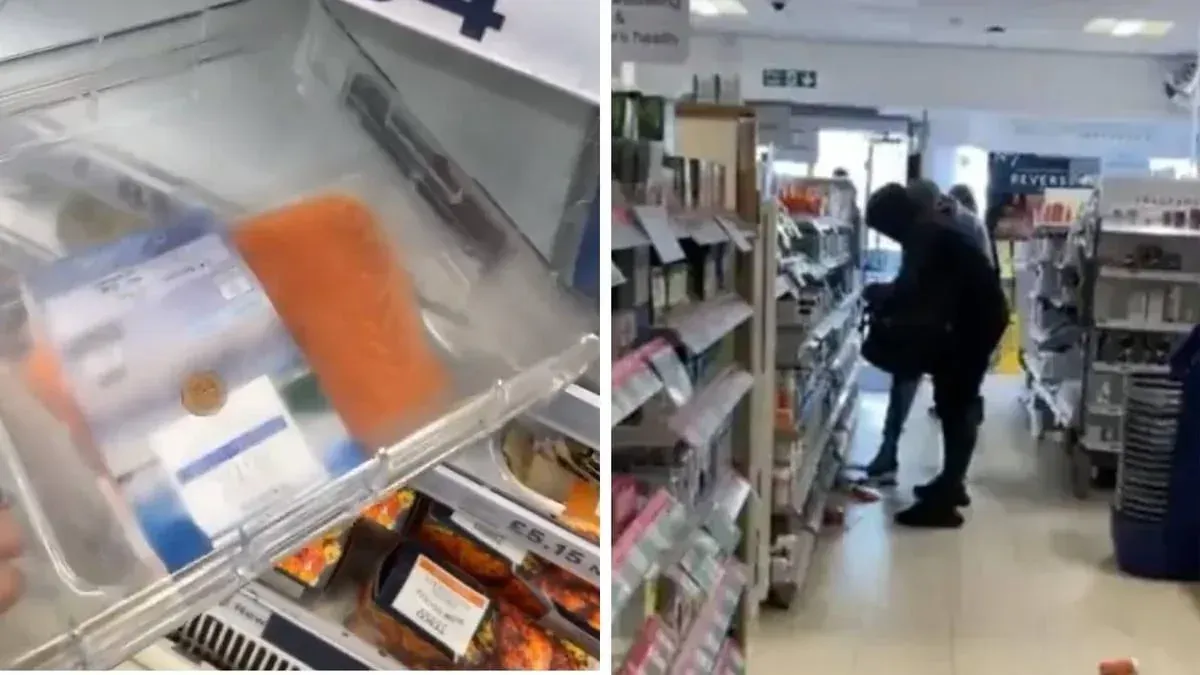
Shoplifting Is Down 12% But Retail Fraud Is Going Crazy
Shoplifting fell 12.4% between 2024 and 2025. Merchandise theft dropped 8.1%. Sounds like good news, right? Not so fast. Retail fraud is going crazy — phone scams, loyalty fraud, gift card theft. The pros didn't stop. They just moved on to easier money.
The National Retail Federation dropped its 2026 Impact of Theft & Violence report and the headline numbers look great. Shoplifting down. Merchandise theft down. Retailers finally getting a handle on the chaos that's been making store shelves look like prison cells.
But read past the headline. The same report shows fraud schemes exploding. Phone scams up 69%. Loyalty fraud up 51%. Gift card theft or fraud up 42%. Organized retail crime incidents up 40%. Repeat offenders up 50%. Walkout and pushout theft up 37%.
See the pattern? The amateurs are getting caught. The pros pivoted.
For related coverage on retail and consumer issues, see our article on why shoppers are racing to buy a $19.99 Costco deal.
What Retail Workers Are Actually Saying
The numbers tell one story. The people on the floor tell another.
One retail worker put it like this: "We used to worry about people walking out with arms full of merchandise. Now it's gift card scams, fake returns, and people working in groups. It's more organized. More calculated. They know exactly what they're doing."
Another employee at a big-box store said training changed everything: "We get de-escalation training now. They tell us not to confront anyone. Just document it, report it, and let loss prevention handle it. It's not worth getting hurt over a TV."
A manager at a grocery chain said the violence is what keeps them up at night: "Shoplifting we can absorb. It's the unpredictable stuff — people having mental health episodes in the store, fights in the parking lot, people camping outside. That's what makes staff want to quit."
A former loss prevention officer was blunt: "The pros don't steal off the shelf anymore. They commit fraud. They return stolen goods for store credit. They use fake receipts. They scam the loyalty program. Physical theft is amateur hour now."
That's the real story behind the 12% decline. It's not that crime went away. It's that the easy targets got smart or got caught. The sophisticated operators just switched tactics.
Why Shoplifting Is Actually Down
Retailers spent serious money on deterrence. Locking security technologies. AI-powered surveillance. Better employee training. All of it made it harder to walk out with merchandise.
But there's a more complicated story underneath the numbers. Some retailers simply stopped prosecuting low-level theft. Others closed stores in high-crime areas, which removes those incidents from the data entirely. And some workers say they stopped reporting incidents because nothing ever happens.
One retail analyst said: "The decline is real, but it's not because crime disappeared. It's because retailers got smarter and criminals got smarter. The shoplifters who were easy to catch are gone. The ones still operating are harder to stop."
That's the nuance the headline misses. Shoplifting down 12% doesn't mean retail crime is down 12%. It means the category shifted. The fraud numbers prove it.
What This Means for Shoppers
If you're a regular shopper, you've probably noticed the changes. More items locked behind glass. Fewer staff on the floor. Longer wait times for everything.
Retailers are walking a tightrope. They want to stop theft without making the shopping experience miserable for paying customers. Locking up deodorant and toothpaste frustrates everyone.
One shopper said: "I get why they lock stuff up. But when I have to wait 15 minutes for someone to unlock a $4 stick of deodorant, I just order it online. It's not worth the hassle."
That's the trade-off. Retailers lose sales when the experience is bad. Thieves cost money. But so do frustrated customers who take their business elsewhere.
What About the UK?
The US isn't the only place seeing this shift. In the UK, shoplifting offenses hit an all-time record high of over 530,000 recorded offenses. Then they fell 4% year-on-year to 507,086 according to Office for National Statistics data published in July 2026.
The decrease coincided with the passage of the Crime and Policing Act in April 2026, designed to better protect frontline retail workers. Retail trade union Usdaw welcomed the decrease but emphasized that crime numbers remain at epidemic levels.
Critics point out that ONS numbers only reflect reported crimes. Actual daily retail theft remains underreported due to historically low police response rates. Many workers say they've stopped reporting incidents entirely because nothing happens.
What About Getting Caught Shoplifting?
If you're wondering what happens to someone caught shoplifting, here's the short version. It depends on the store, the value of goods, and local laws.
Some retailers prosecute. Others issue civil demands or ban the person from the store. For first-time offenders, outcomes often include community service, fines, or diversion programs. A criminal record only happens if charged and convicted.
But here's the thing — the decline in shoplifting cases doesn't mean fewer people are getting caught. It means stores are catching different people doing different things. Fraudsters don't get stopped at the door. They get caught months later when the chargebacks pile up.
Retail Security and Loss Prevention Books
Understand retail crime trends and how businesses are responding.
Price: $24.99
Shop Now on Amazon →What Legislation Is Being Proposed
The Combating Organized Retail Crime Act would strengthen federal coordination and law enforcement. It's currently awaiting Senate approval. The NRF has been pushing hard for its passage.
The bill would create a centralized system for tracking organized retail crime across state lines, increase penalties for large-scale operations, and fund task forces dedicated to retail theft rings.
Supporters say it's necessary because retail crime has become too sophisticated for local law enforcement to handle alone. Critics worry about over-criminalization and whether the bill would actually reduce crime or just fill more prisons.
One thing everyone agrees on: the current system isn't working. Retail workers are burnt out. Stores are spending millions on security. And the criminals keep adapting.