
Smartphones to Remember in 2017: Must-Have Devices That Defined the Year
best smartphones of 2017, iPhone X, Samsung Galaxy S8, Huawei Mate 10 Pro, OnePlus 5T, HTC U11, Honor 7X, Samsung Galaxy A5, P8 Lite 2017, smartphone reviews, top phones 2017.

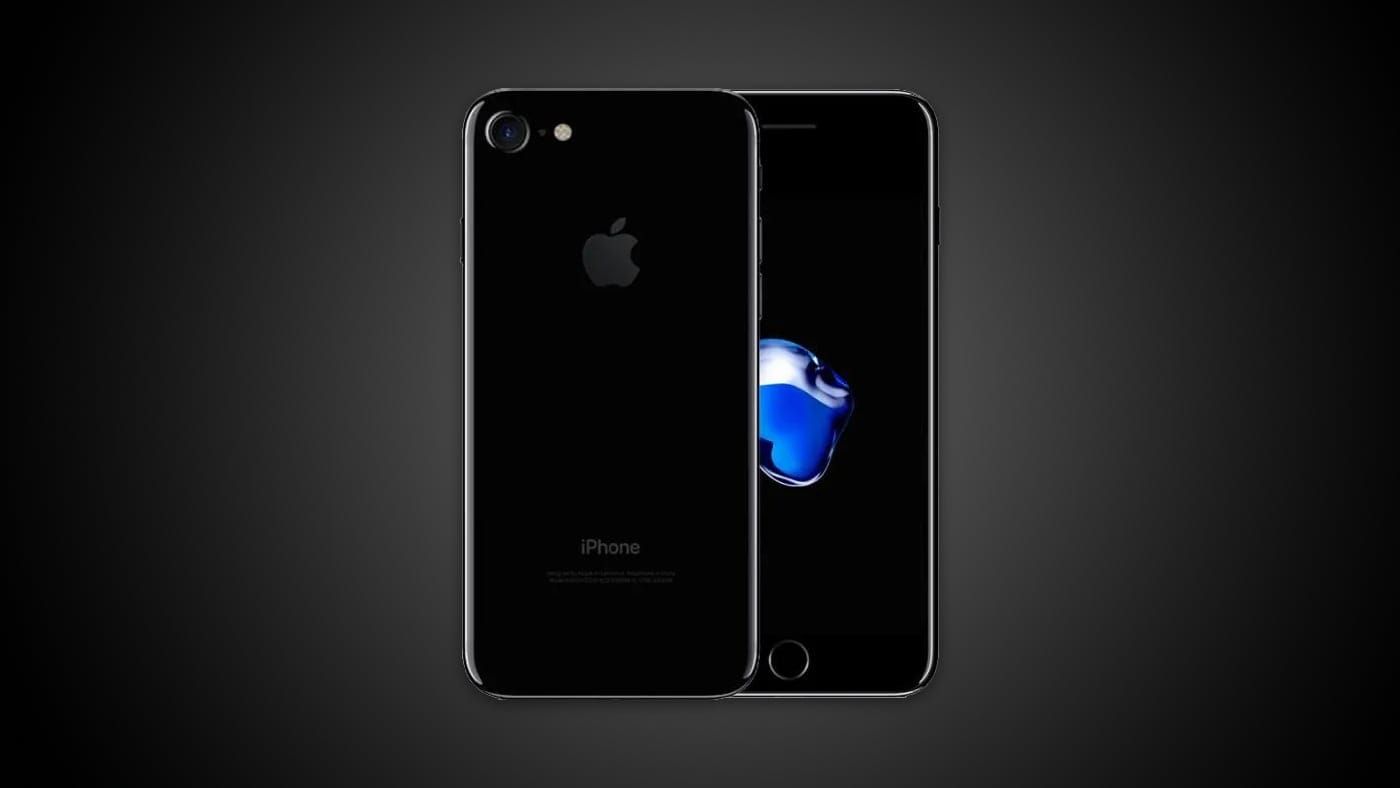
The modern smartphone didn’t appear suddenly. It was built step by step by a few breakthrough devices that changed design, performance, and user behavior forever.
Phones like the iPhone X, Samsung Galaxy S8, Huawei Mate 10 Pro, OnePlus 5T, and HTC U11 introduced ideas that still define what you hold in your hand today — from edge-to-edge screens to AI-powered photography and gesture-based navigation.
Even in 2026, most smartphones are still built on concepts these devices made mainstream.
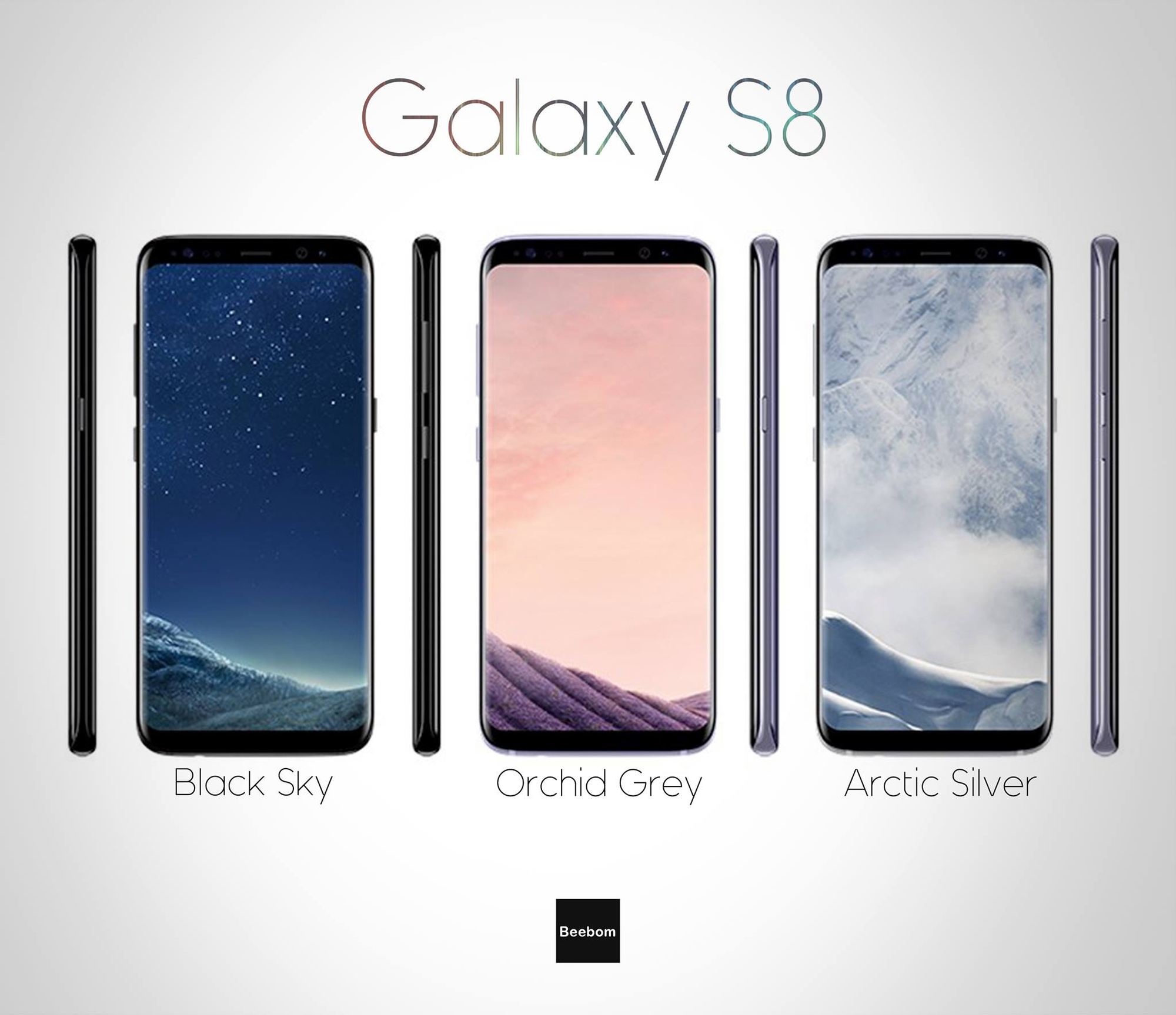
Samsung Galaxy S8: The First Flagship of 2017
The Galaxy S8 marked the beginning of the modern smartphone aesthetic. Samsung removed large bezels and introduced the curved edge display that pushed the industry toward full-screen design.
It helped establish what is now considered standard: minimal borders, immersive screens, and a front display-first approach.
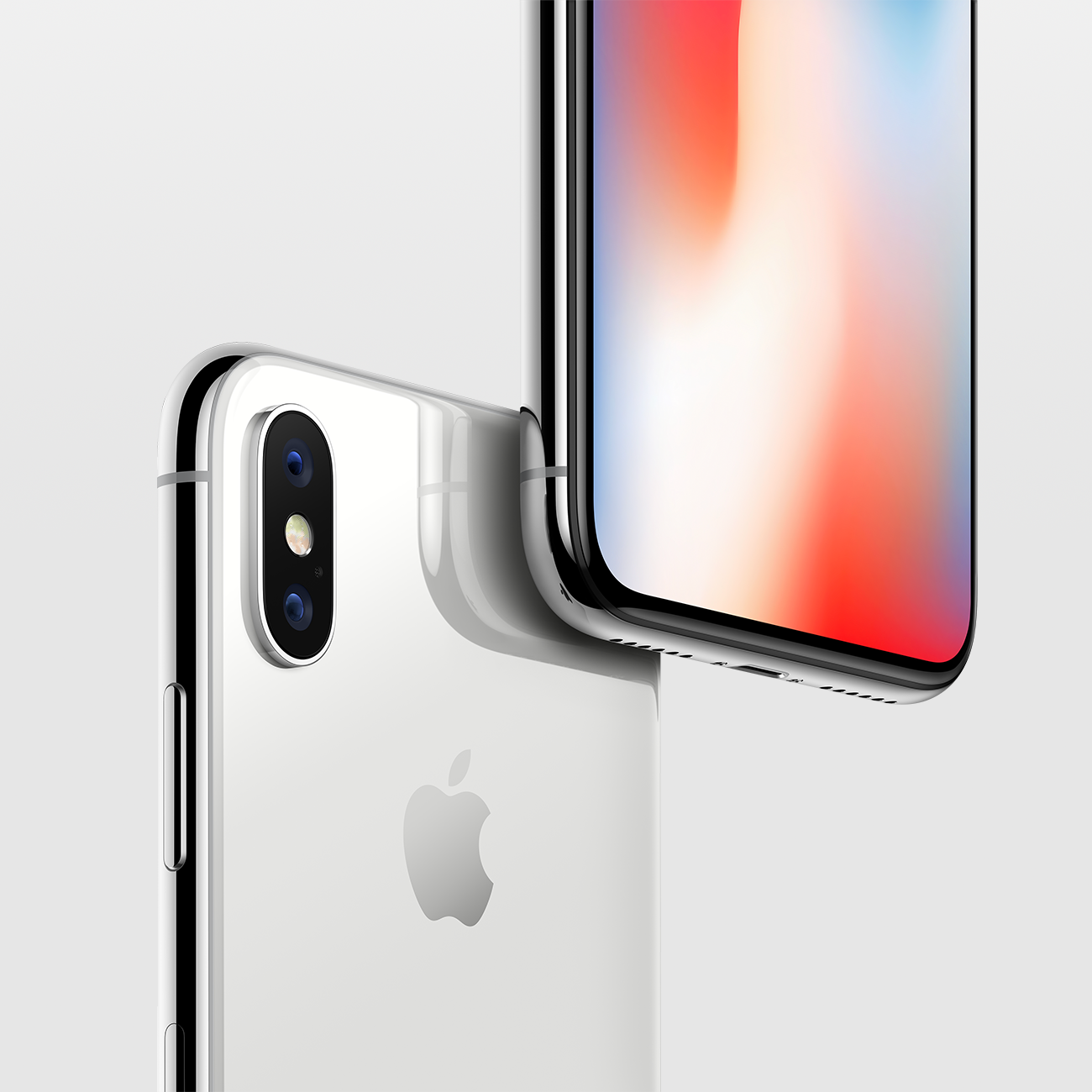
iPhone X — the redesign that changed Apple forever
The iPhone X removed the home button and introduced Face ID, reshaping how users interact with their phones.
It also set the foundation for gesture-based navigation, which is now standard across most smartphones today.
This was not just a product update — it was a complete shift in mobile interface design.
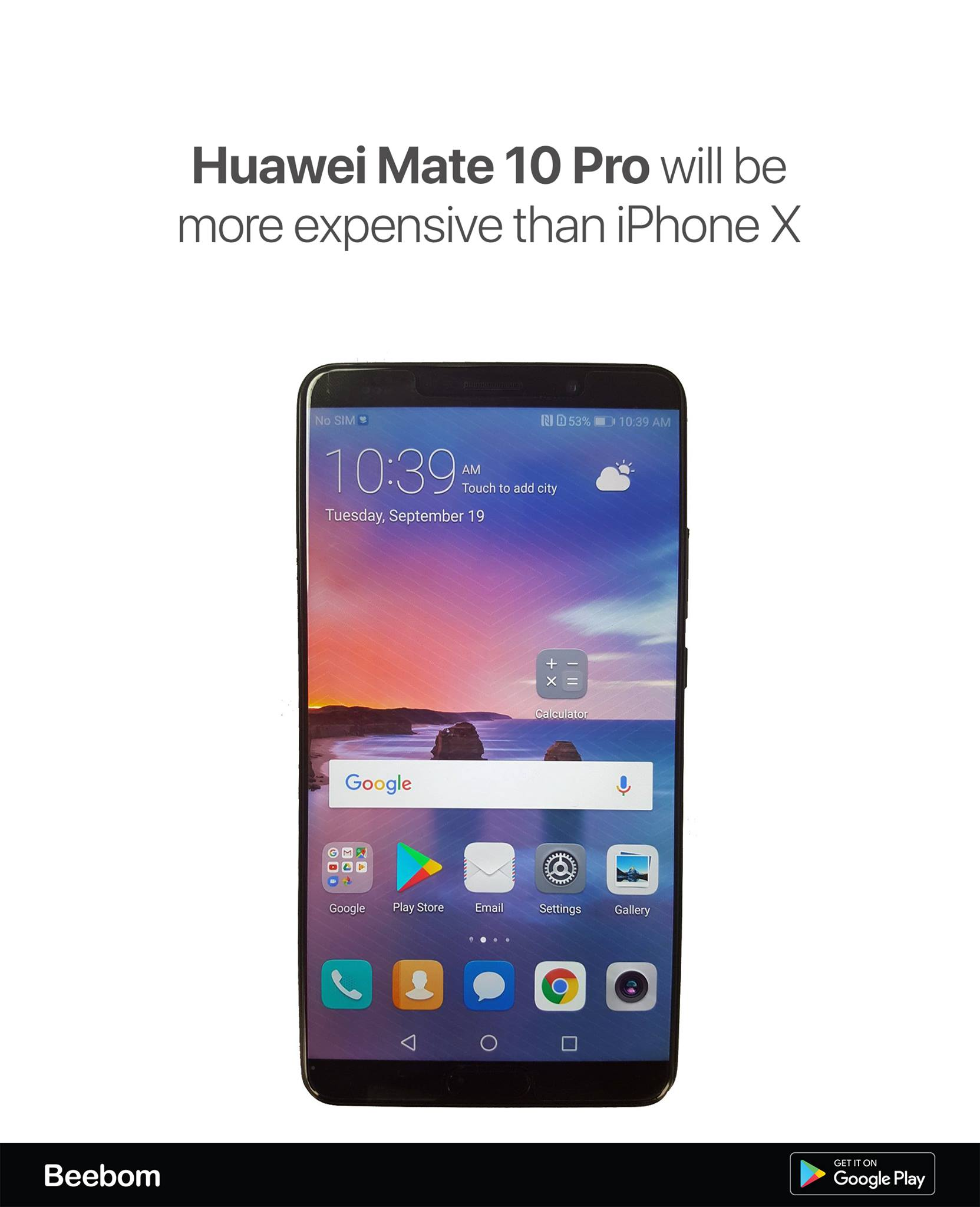
Huawei Mate 10 Pro — early AI inside a phone
The Mate 10 Pro was one of the first mainstream smartphones to use on-device AI processing.
It improved camera performance, battery optimization, and system efficiency by adapting to user behavior.
This early AI layer is now the foundation of modern smartphone intelligence systems.
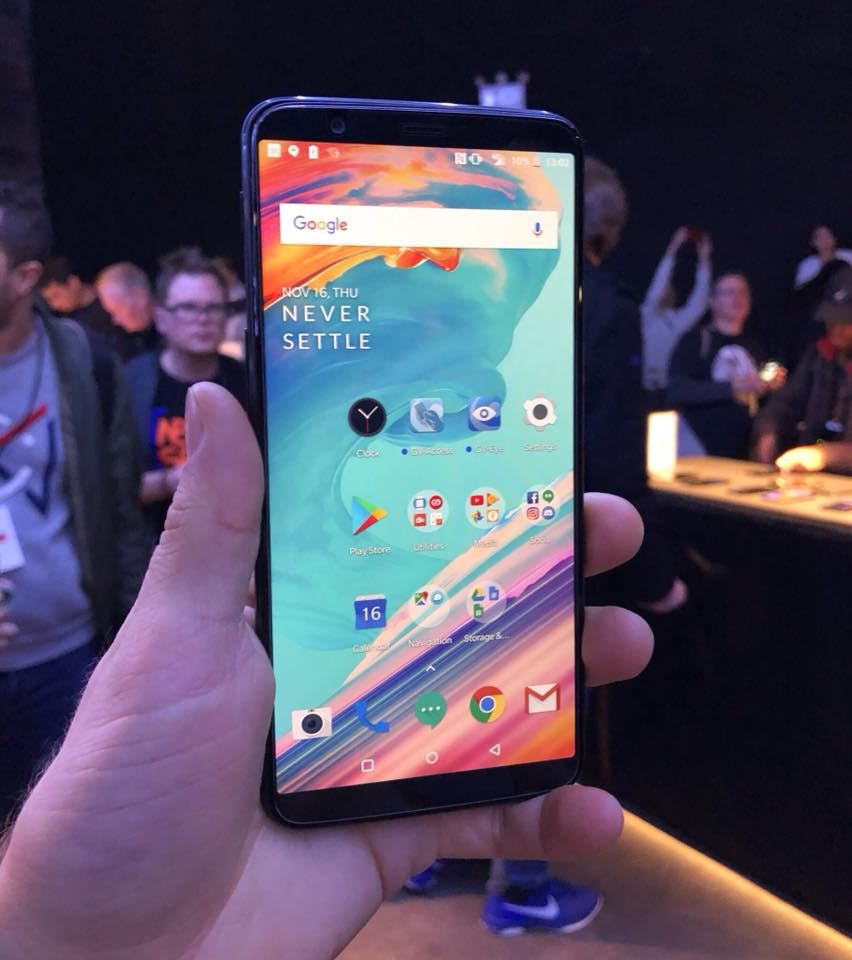
OnePlus 5T — the value disruption era
The OnePlus 5T challenged the idea that premium performance had to come with a premium price.
With high-end specs at a significantly lower cost, it forced competitors to rethink pricing strategies across the industry.
This shift helped shape today’s “flagship killer” category.
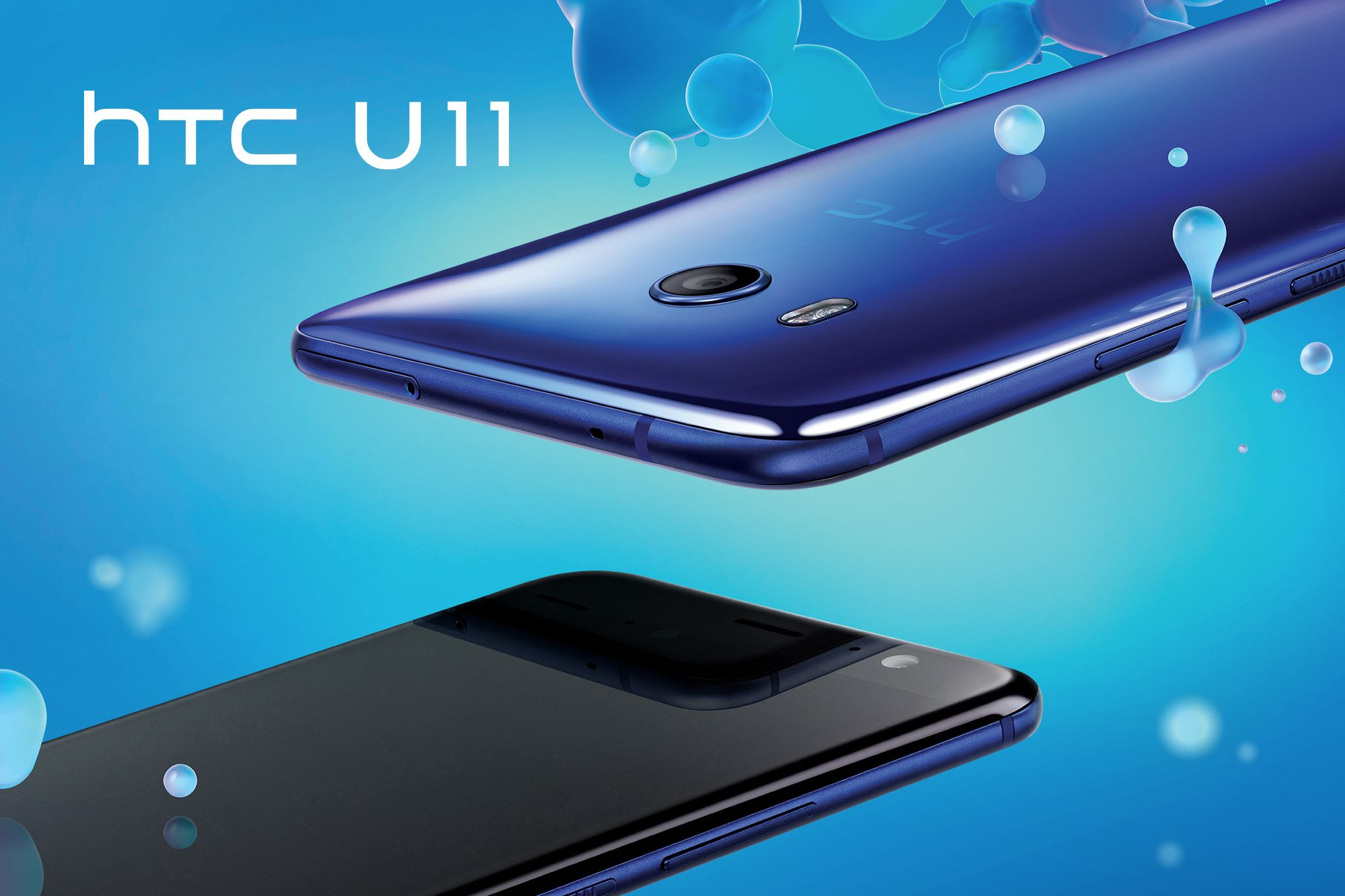
HTC U11 — the camera competition peak
The HTC U11 stood out for its strong focus on mobile photography and ultra-fast autofocus performance.
It represented the peak of hardware-driven camera innovation before software-based computational photography became dominant.
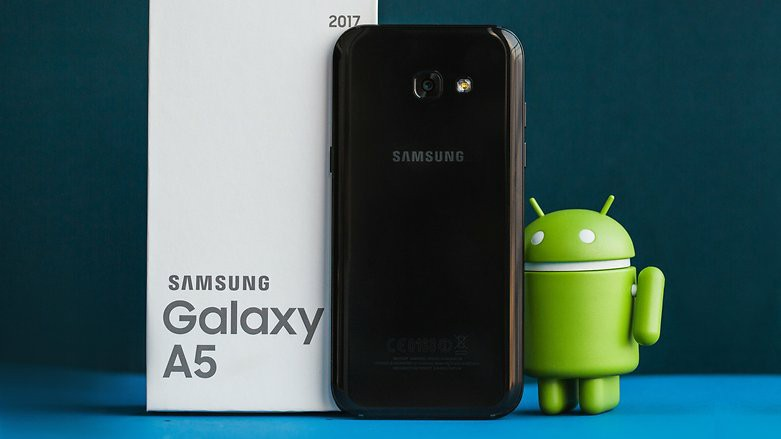
Samsung Galaxy A5 (2017): Affordable, Yet Powerful
Samsung’s Galaxy A5 (2017) proved that you don’t need to break the bank for a solid smartphone. Featuring a 5.2-inch AMOLED screen, the A5 delivered a high-quality display along with good performance, thanks to its Exynos 7880 processor. This budget-friendly option also boasted a 16MP rear camera and a 3000mAh battery, making it a well-rounded device at an affordable price.
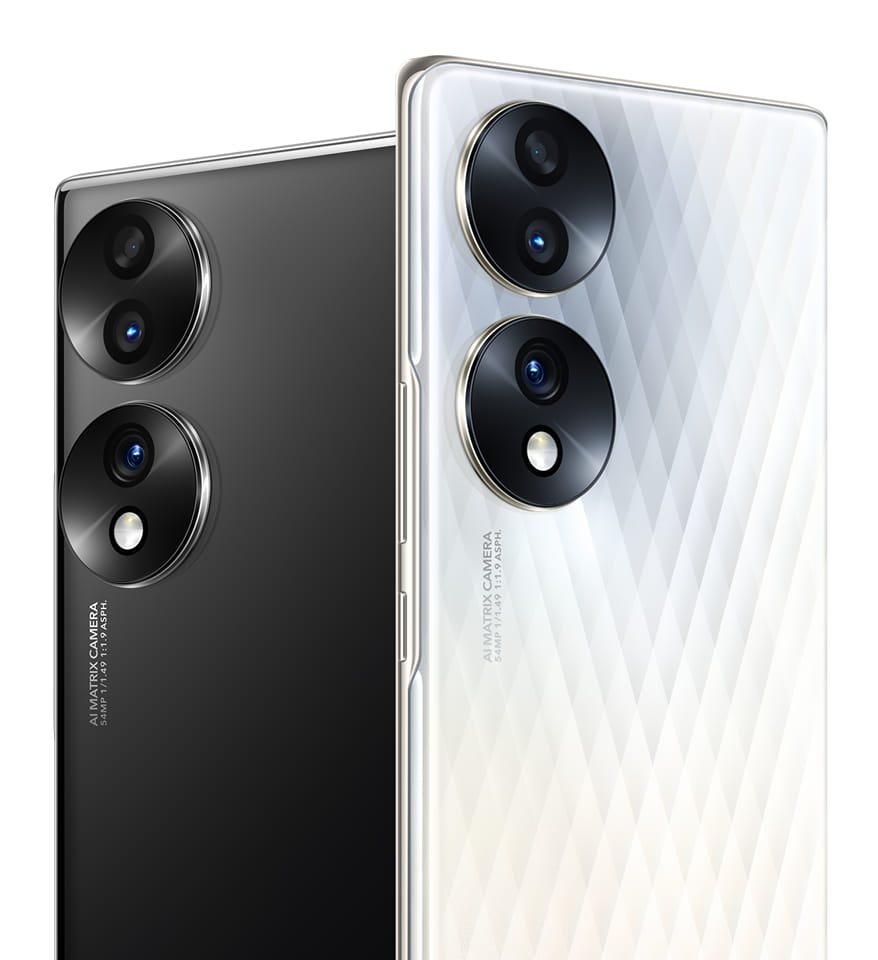
Honor 7X: Maximum Power at a Low Price
Huawei’s Honor sub-brand brought the Honor 7X, which stood out for offering an excellent balance of performance and value. With its 5.93-inch "borderless" display and Kirin 659 processor, the Honor 7X was a great choice for users who wanted a device with great design and performance without the high price tag. At just $199, it was one of the best budget smartphones of 2017.
P8 Lite (2017): An Exceptional Entry-Level Phone
Huawei’s P8 Lite (2017) redefined the entry-level smartphone market. Despite its affordable price, the P8 Lite offered a smooth 5.2-inch display and a solid Kirin 655 processor, making it an excellent option for those on a budget. With a 12MP camera and a 3000mAh battery, it proved that you didn’t need to spend a fortune for a reliable device.
What these phones changed permanently
Together, these devices introduced core ideas that still define smartphones today:
- Edge-to-edge display design
- Gesture-based navigation
- AI-assisted photography and performance
- Premium hardware expectations at lower prices
- Camera-first competition between brands
Modern smartphones are not new concepts — they are refinements of these foundations.
Conclusion
Today’s smartphones may feel advanced, but their core design language was built years ago.
These devices didn’t just succeed in their time — they shaped the blueprint for everything that came after.
🔗 Related posts
Your Next Phone Might Last 2–3 Days: New Smartphones Push Massive Battery Upgrades
 YEET MAGAZINE
- Are You Addicted To Your Phone? This Is How Smartphone Light Affects Your Brain , Mind & Body (Infographics)
YEET MAGAZINE
- Inside the Smartphone AI War: Why Devices Are Getting Smarter Than Ever
YEET MAGAZINE
FAQ
Why are older smartphones still important?
Because they introduced the design and software principles still used today.
What was the biggest change in that era of phones?
The shift to full-screen design and gesture-based navigation.
Did AI exist in smartphones back then?
Yes, but in early form — mainly for camera and system optimization.
Are modern phones completely different?
No, they are evolved versions of these foundational designs.