Biohax RFID Implants: How Swedish Hand Microchips Replace Passwords & Keys
Over 4,000 Swedes have implanted grain-of-rice-sized RFID chips under their skin to unlock doors, pay for transit, and eliminate passwords. This biometric automation trend reveals how body-hacking and data authentication are reshaping workplace security and daily life.

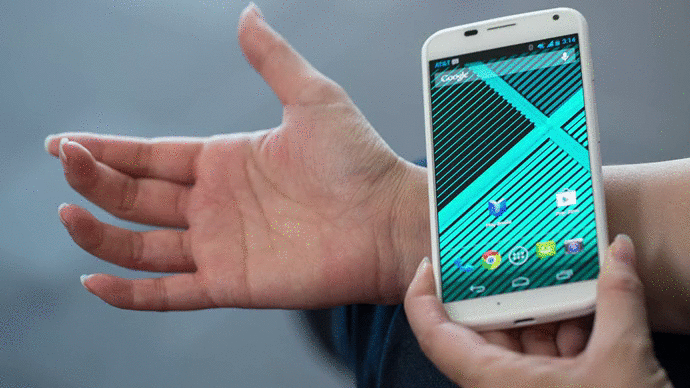
Thousands of Swedes have already implanted RFID microchips under their skin. These passive chips—no batteries needed—function as biological access cards. Users wave their hands to unlock doors, board trains, access events, and authenticate digital identities. The chips are powered by RFID readers nearby and require zero active computing. Sweden's cashless society and high tech adoption rates make it the perfect testing ground for this biometric automation trend.
Biohax International, the Swedish company driving this movement, saw an opportunity: humans are tired of managing physical tokens (keys, cards, passwords). Why carry authentication tools when your body can be the credential?
How RFID Hand Chips Actually Work
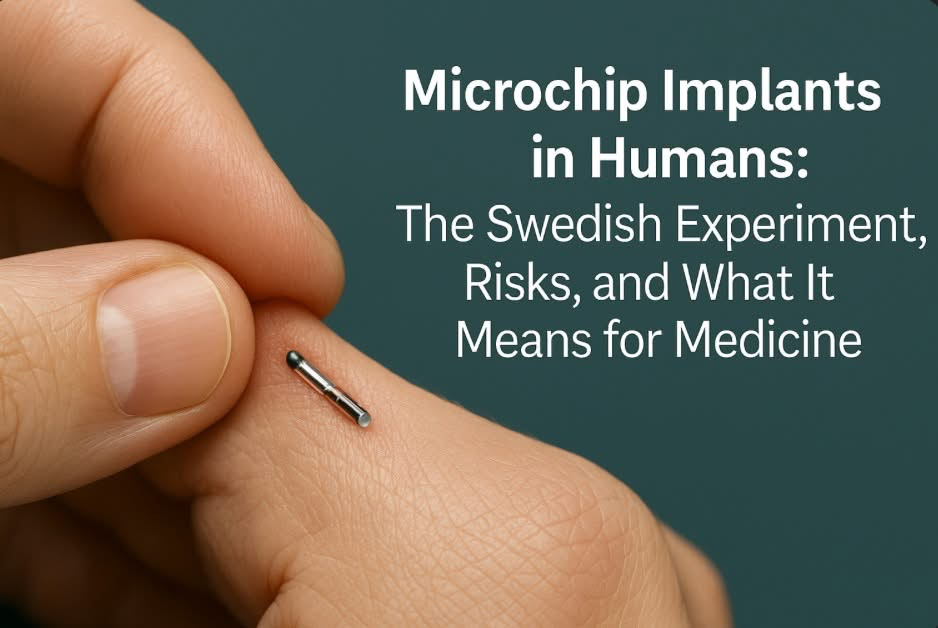
The microchip implants are smaller than a grain of rice. They sit between your thumb and index finger under the skin. When you bring your hand near an NFC or RFID reader, the chip transmits stored data—no pairing required, no app needed.
Think of it like contactless payment cards, but biological. The same technology powers tap-to-pay systems, subway cards, and hotel key cards. Now it's just... inside you.
The Real-World Automation Play
For employers, this is a game-changer. Hand chips eliminate:
- Lost ID badges — your hand is always with you
- Password resets — biometric authentication is instant
- Access logs — data is automatically recorded when you swipe your hand
- Physical credential costs — no more printing cards
From a data and automation standpoint, every hand-scan creates a timestamped data point. Companies get granular building access analytics, employee movement tracking, and zero friction authentication.
The future of work isn't passwords anymore. It's algorithmic verification of your physical body.

Why Sweden, Why Now
Sweden is 97% cashless. Contactless payment is normal. Digital trust is high. The cultural runway for body-hacking exists here in ways it doesn't elsewhere.
The government didn't ban it. Employers didn't fight it. Citizens willing to get implanted chips felt safe doing so.
This is how tech adoption happens: low friction environments + early adopters + zero legal pushback = mass normalization.
The Privacy & Security Elephant
Here's the uncomfortable part: RFID chips can be scanned remotely. Your hand data could theoretically be read by someone with a reader—even without your knowledge.
Encryption helps, but no system is unhackable. If your hand chip stores payment data, access credentials, or location history, a breach means your literal body is compromised.
You can't change a password. You can't get a new hand.
What This Means for Future Work
We're watching the emergence of biological automation. Your body becomes infrastructure.
In 10 years, don't be shocked if:
- Offices require hand chips for entry
- Payments are processed through body implants
- Your employment data is literally tied to your physiology
- Hacking becomes a personal, not just digital, threat
The convenience is real. So is the risk. Sweden's 4,000+ early adopters are essentially running a long-term experiment for the rest of us.
Could You Opt Out?
Here's the critical question: In a world where hand chips are standard, what happens if you refuse one?
Can you get hired? Access buildings? Travel? Right now, chips are optional. In a decade, optionality might disappear.
This is how technology works. It starts optional. It becomes expected. It becomes mandatory.
Common Questions About Hand Microchip Implants
How much does a hand microchip implant cost?
Biohax International charges around 100-200 EUR for the chip and implantation. For Swedish early adopters, cost wasn't a barrier.
Can hackers steal data from a hand chip?
Theoretically yes. RFID chips can be cloned or read remotely. The data on your chip is only as secure as the encryption protecting it. If someone reverse-engineers the chip's data, your access credentials could be compromised.
Does the chip hurt to insert?
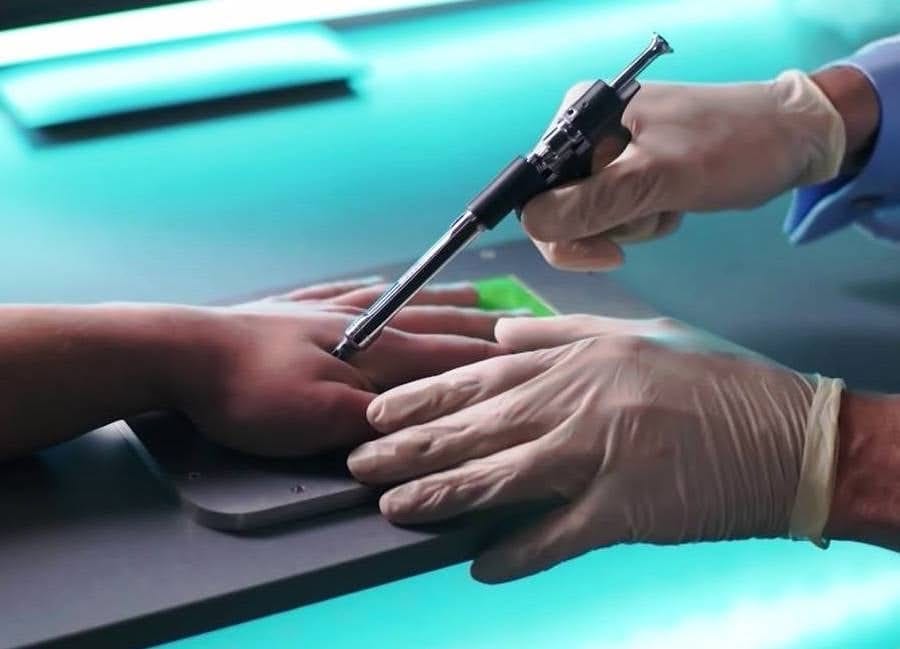
No. It's a simple injection under the skin using a sterile applicator. Similar to getting a small vaccine. Recovery is immediate.
Can you remove a hand chip?
Yes. A minor surgical procedure can extract it. But Swedes who've adopted chips seem comfortable keeping them.
Is this just a Swedish thing?
For now. But biometric implants are being explored in the UK, Australia, and the US. The technology exists globally—cultural acceptance is what varies.
Does my workplace monitor my location if I have a chip?
RFID chips aren't GPS-enabled, so they don't track location on their own. However, if your employer uses readers in every door and hallway, they can algorithmically map your movement patterns by aggregating timestamp data. It's surveillance through infrastructure, not active tracking.
What's the long-term health impact?
Unclear. RFID chips have been in animals and objects for decades. Human studies are limited because implants are new. Biohax claims no adverse reactions, but decades-long data doesn't exist yet.
Related Reads on AI, Automation & Future of Work
How Passwordless Authentication Is Automating Corporate Security
Biometric Data in the Workplace: When Your Body Becomes Workplace Tech
How RFID Algorithms Enable Real-Time Employee Movement Tracking
Physical Credentials Are Dying: What's Replacing Your Access Badge
Body Hacking Meets Automation: Is Your Body the Next Workplace Infrastructure?
```