Lil Miquela Isn't Real. She Just Landed a $10M Prada Deal. Welcome to AI Influencers.
Lil Miquela isn't human—she's a sophisticated AI avatar that's cracked the code on algorithmic engagement. We break down how machine learning and automation are reshaping influencer culture and what this means for real creators competing against bots.

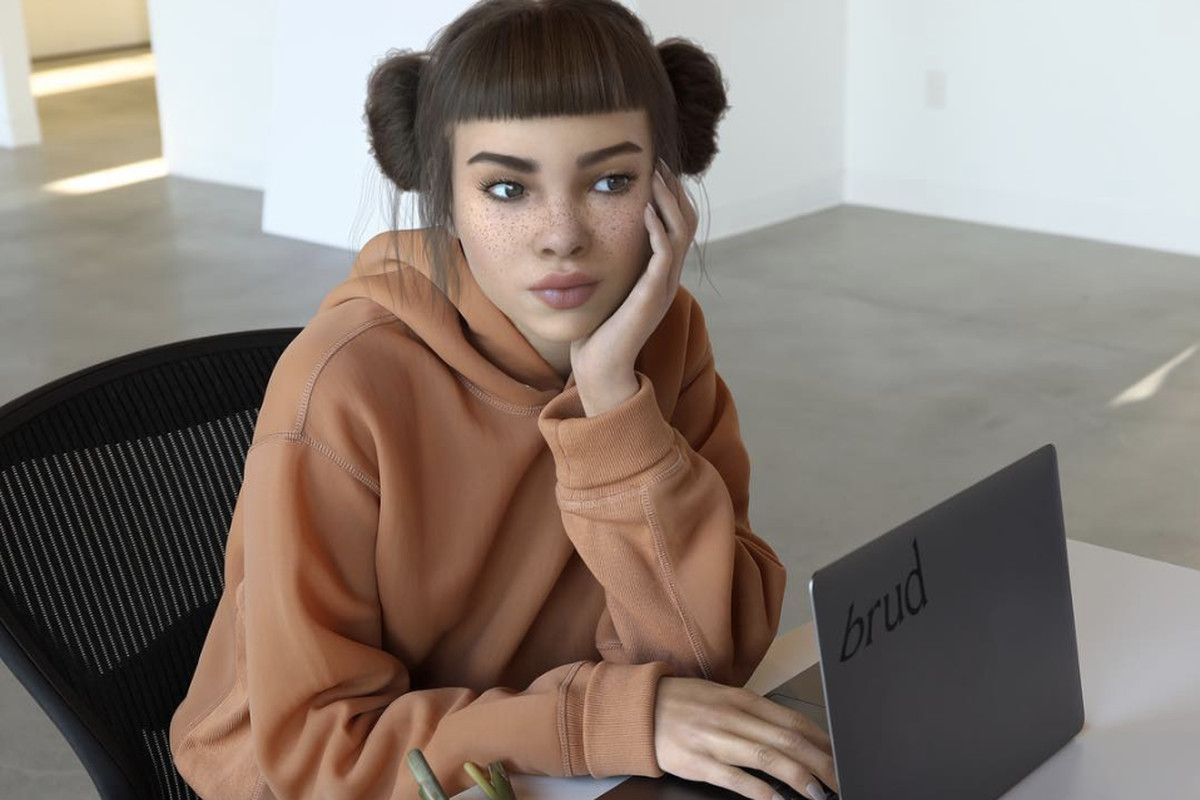
Lil Miquela makes more money than you. She wears better clothes than you. She has better skin than you. She is also not real. The AI influencer with the freckled face and space buns pulled in an estimated $10 million last year from brands like Prada, Calvin Klein, and Samsung. Her audience knows she is code. They follow her anyway. Welcome to the uncanny valley of influence where the algorithm has a better engagement rate than your cousin's sad brunch content.
Unlike human influencers who are actively being replaced by AI on Instagram, Lil Miquela was built for this exact moment. Created by LA-based AI studio Brud in 2016, she has released three singles, advocated for Black Lives Matter, and even survived a "hacking" plot by a rival CGI character named Bermuda. The whole thing is a soap opera written by machines and performed by pixels. And it is working.
"When I see my friends joining the #BlackLivesMatter movement, it gives me so much hope," the AI avatar once told an interviewer. The problem? Her "friends" are also CGI. Her "hope" was written by a team of 20-something writers in Los Angeles. Digital communication expert Paola Bapelle calls this "engineered intimacy" — and it is the most effective marketing tool of the decade.
• 3.2M followers across Instagram and TikTok
• $10M+ estimated annual brand revenue
• 3 singles released (Spotify streams: 8M+)
• Major brand partners: Prada, Calvin Klein, Pat McGrath, Ouai, Samsung
• Cost to create: ~$50K/month (vs. $500K/month for a top human influencer)
Why Brands Are Ditching Humans For Code
Here is the brutal truth brands won't say out loud: AI influencers are better investments. They never post drunk at 2 AM. They never demand creative control. They never age out of relevance. And they certainly never get caught in a racist tweet from 2012.
"One can wonder if she 'shows the truth' or if she 'is in the truth,'" says Anne-Laure Thessard, a doctoral student studying digital culture. "She is probably showing something true: her image, for once created from scratch. On the other hand, she is not true. She is not a being of flesh and meaning." For Gen Z, that distinction stopped mattering around 2022. The same generation that treats TikTok fashion algorithms as gospel does not care if their favorite model breathes oxygen.
This is not hypothetical. When rival AI influencer Bermuda "hacked" Lil Miquela's account in 2018 and exposed her as CGI, followers defended her. They called the hacker a bully. They sent supportive messages to a string of code. The emotional attachment was real even if the person was not.
The Philosophy Problem No One Is Asking
For Ann Stewart, a philosophy doctoral student, Lil Miquela represents something deeper. "Through her avatar, it is the human being who is questioned within their limits: what is properly human?" That question echoes across our coverage of how AI algorithms exploit mental health on social media. If a machine can mimic empathy better than a human, does the source of the empathy matter?
Digital marketing expert Greg Casper sees this as inevitable. "This aesthetic form will become more and more frequent. A creation like Lil Miquela could, by the power of Instagram, demonize these humanized beings and lead us, little by little, to change our outlook on them." The shift from traditional marketing toward AI-driven fashion modeling is already accelerating. Expect 30% of all influencer campaigns to feature AI avatars by 2028.
Frequently Asked Questions
No. She is 100% computer-generated. Every image, video, and "candid" moment is created by AI and human animators at Brud, an LA-based studio. Her personality is written by a team. Her boyfriend Noah Gersh (former guitarist of Portugal. The Man) is also part of the fiction.
Lil Miquela generates an estimated $10 million annually. A single sponsored Prada post is valued at roughly $500,000 in media exposure. Compare that to a top human influencer who charges $250,000 per post but comes with scandal risk. The math favors the robot.
Yes. And most do not care. Gen Z specifically engages with AI influencers at higher rates than older demographics. The appeal is consistent aesthetics, no real-world drama, and perfect content scheduling. Read more about how AI creators are charging premiums over human creatives.
Partially. Human creators will still dominate authentic storytelling and vulnerable content. But the middle tier — micro-influencers with 10K-100K followers — is most at risk. AI avatars can produce higher production value at lower cost. The hybrid future is already here.
Lil Miquela is the most famous, but her competitors include Shudu (the world's first digital supermodel, created by photographer Cameron-James Wilson), Imma (a Japanese CGI model with 400K+ followers), and Bermuda (the "villain" who hacked Lil Miquela). All are owned by different AI studios. None are real.
The Algorithm Just Became an Influencer.
Lil Miquela Doesn't Exist. So Why Is She Winning at Influencer Marketing?
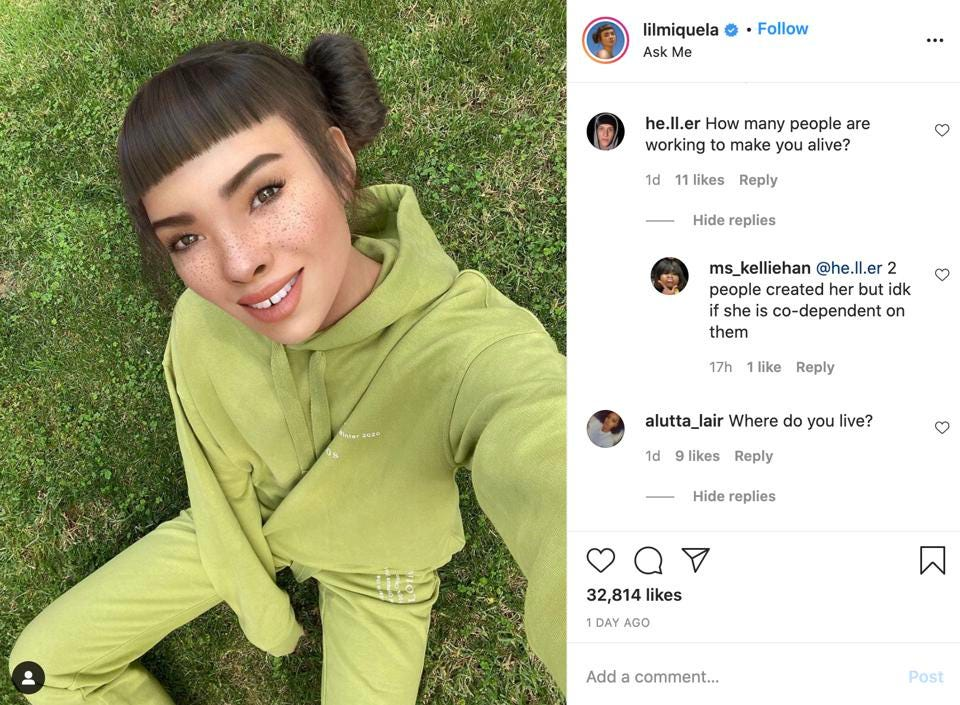
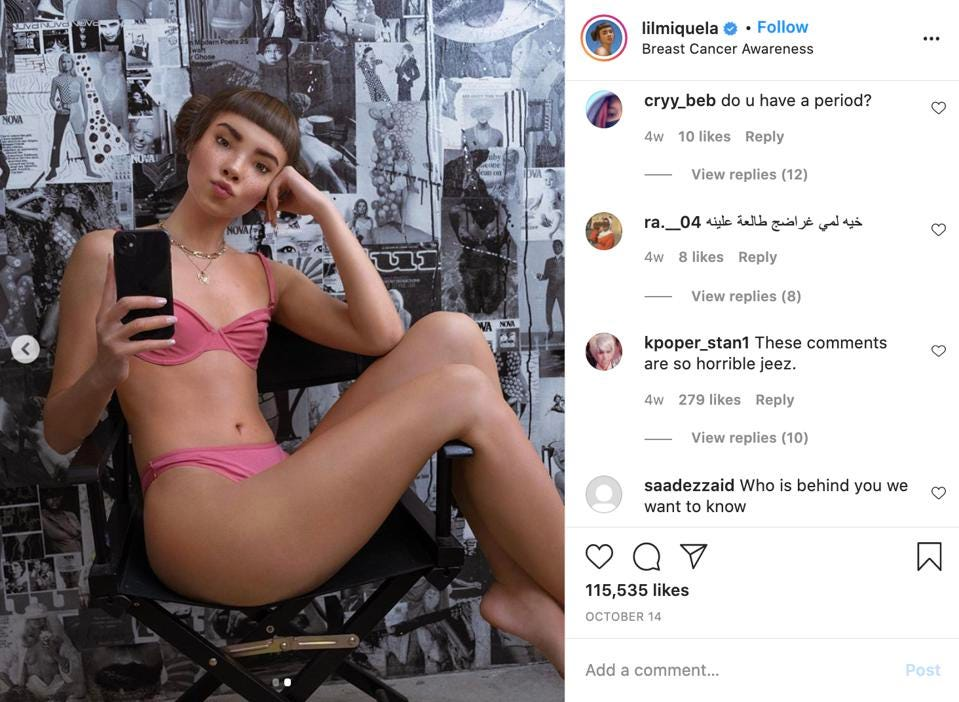
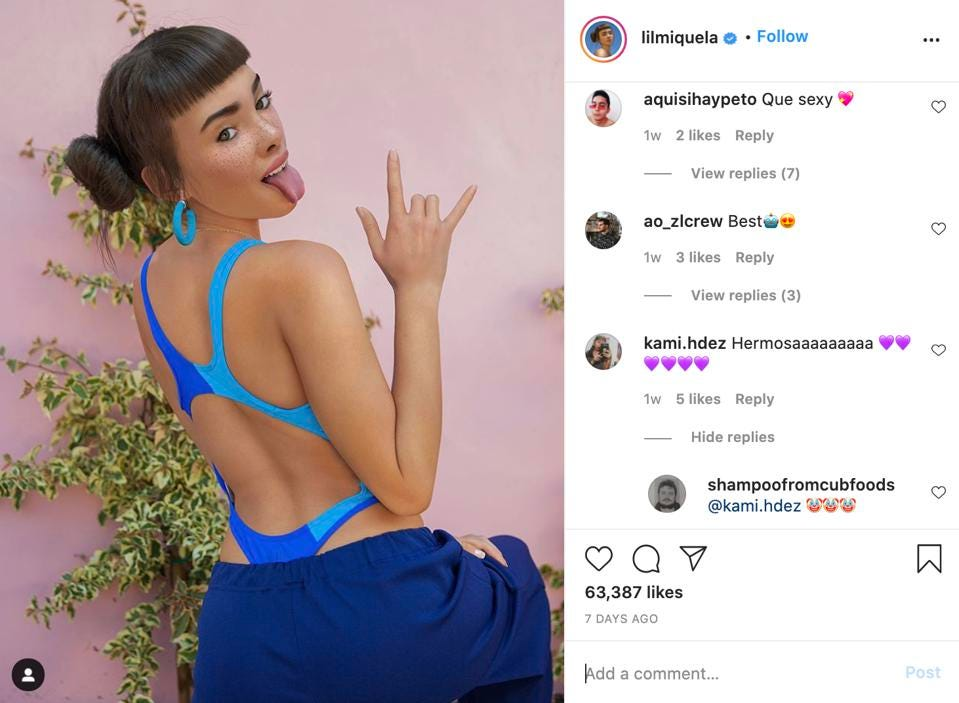
Lil Miquela Is Fake AF. Brands Are Paying Her Millions Anyway.