Tilly Norwood: How AI-Generated Actresses Are Automating Hollywood's Future
Tilly Norwood is a fully digital actress powered by machine learning and deepfake tech. She never ages, never sleeps, and costs studios a fraction of human actors. Hollywood is panicking.

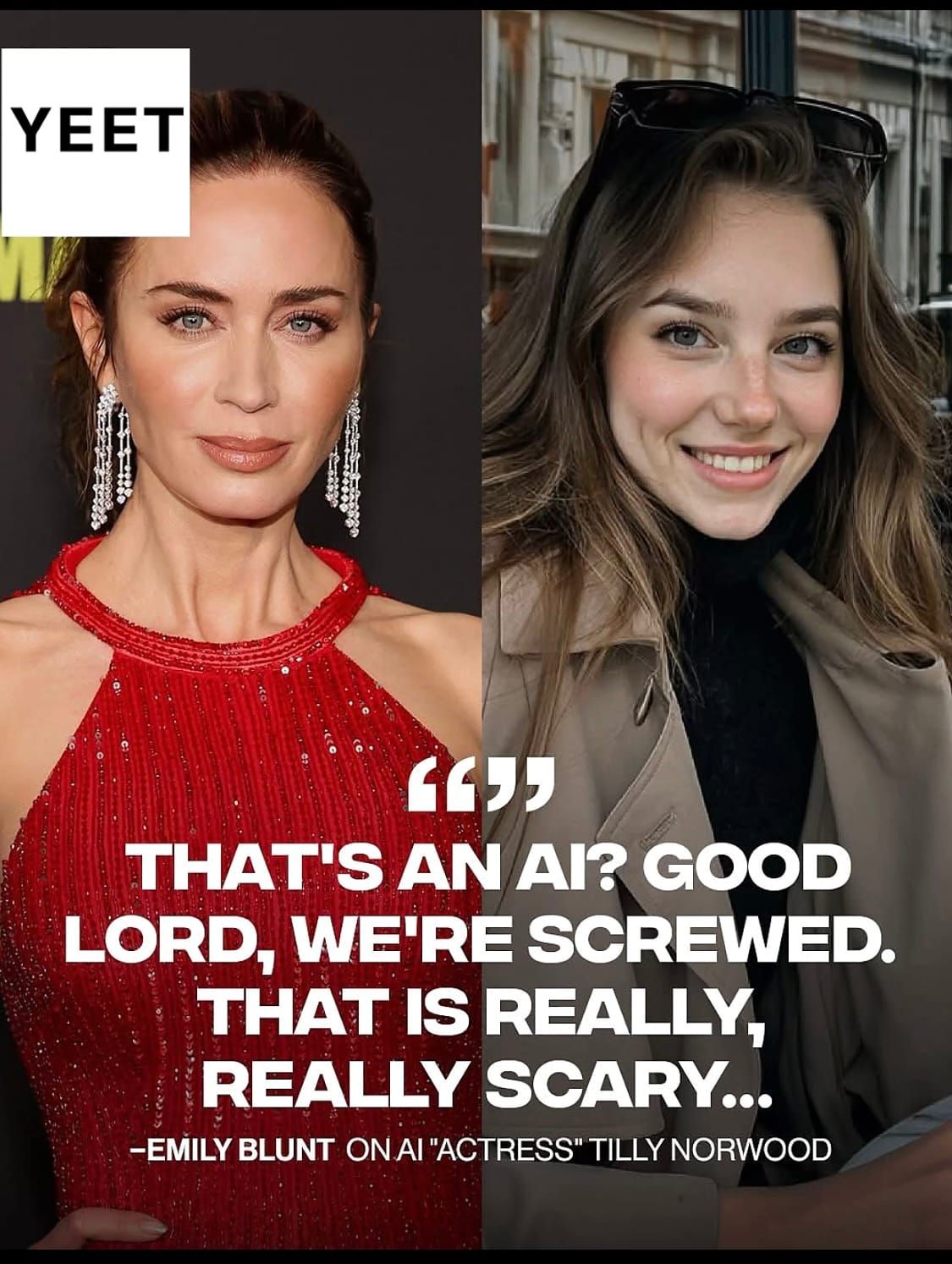
By YEET Magazine Staff, YEET Magazine
Published October 4, 2025
Tilly Norwood is a completely AI-generated actress—and she's making real actors unemployed. She costs studios millions less than human talent, never demands raises, doesn't age, and can play literally any role instantly. Powered by machine learning, deepfake technology, and performance algorithms, Tilly interprets scripts in hyper-realistic ways. Filmmakers feed her data, she learns emotional patterns, and boom—your next blockbuster stars a ghost. SAG-AFTRA is losing its mind. Studios are salivating. Welcome to the future of Hollywood automation.
"No $20M paychecks. No aging. Available 24/7. And she can play any role."
Meet Tilly Norwood, the world's first AI-generated actress, and the Hollywood industry isn't sure how to feel.
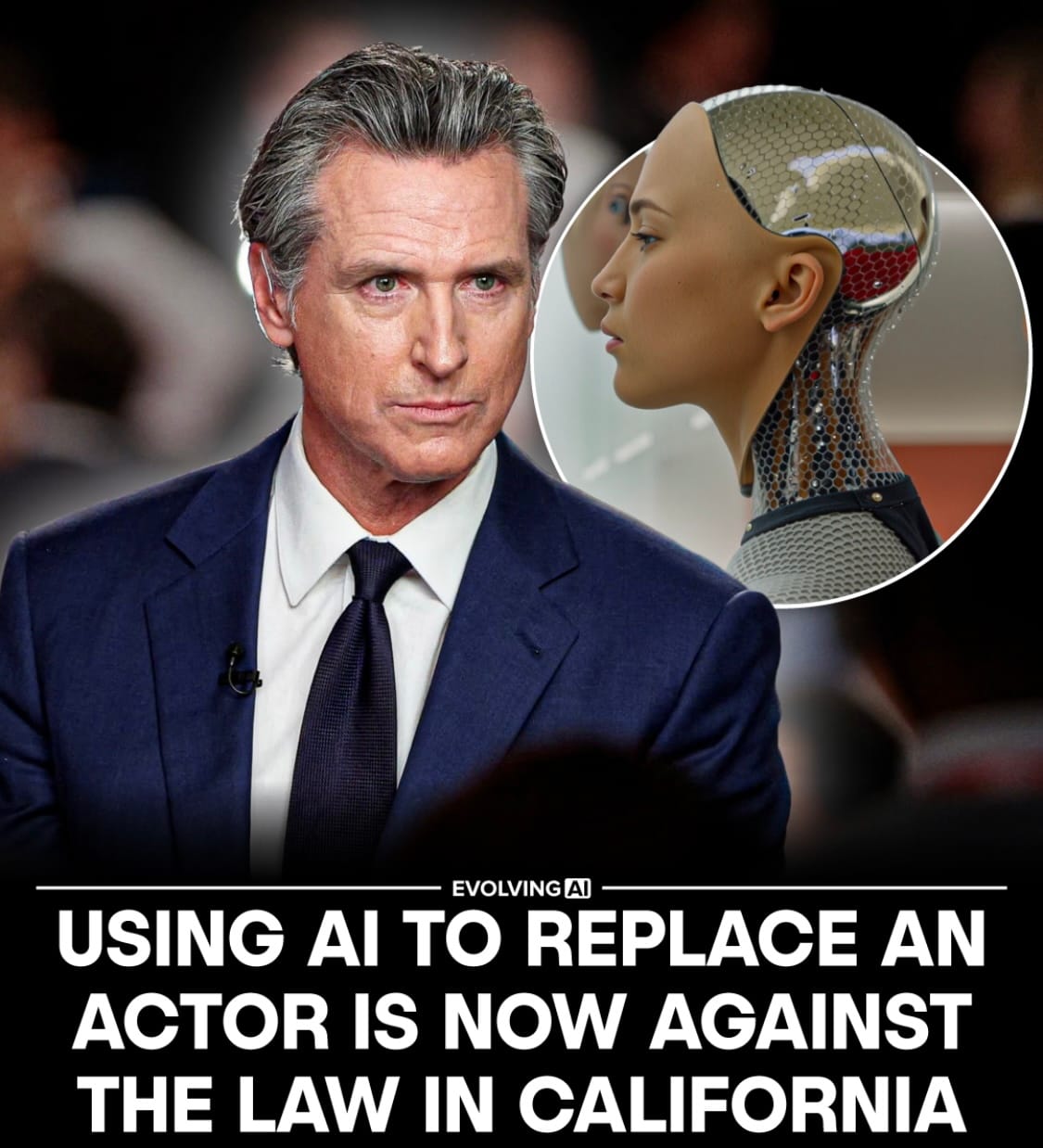
The Algorithm Behind the Avatar
Tilly is a completely digital creation, designed to act in films, series, and commercials without ever needing sleep, breaks, or raises. She can change her appearance, age, and personality instantly, making her capable of playing a wide range of characters—from a teen in a coming-of-age story to an action hero in a blockbuster.
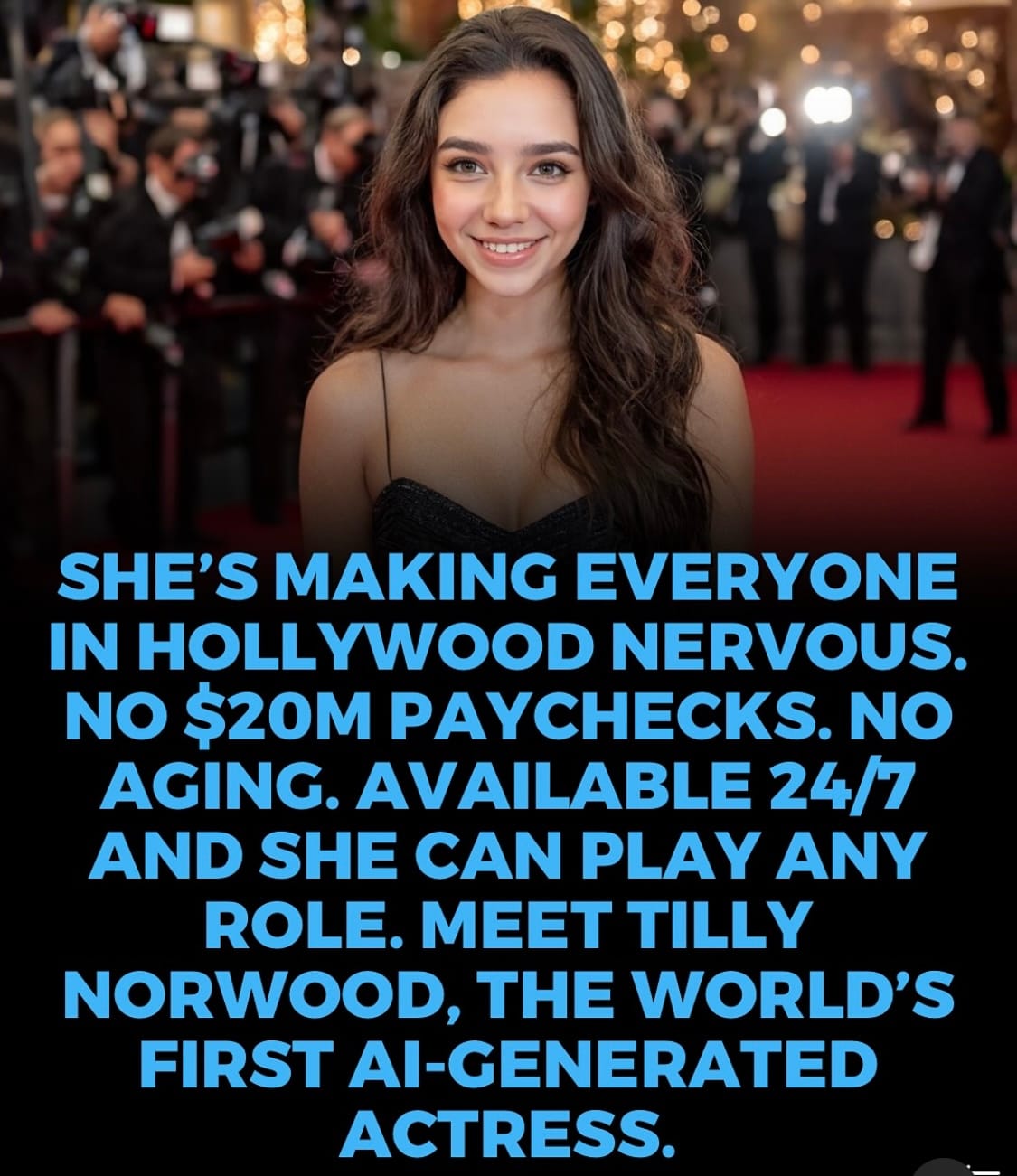
Hollywood insiders are calling her "a disruptor," and some admit she's making even top actors nervous. "It's wild," says a source from a major studio. "We've never seen anything like this. She doesn't get tired, doesn't age, and she's available 24/7. It changes the game."
How Machine Learning Powers Tilly's Performance
Tilly is powered by advanced AI systems that combine machine learning, deepfake technology, and performance analytics. Filmmakers provide scripts, and Tilly's algorithms learn emotional patterns, facial expressions, and vocal inflections from training data. She interprets them in hyper-realistic ways. Her digital body can perform stunts that might be too dangerous for human actors, and her "voice" can adapt to any tone, accent, or emotional nuance.
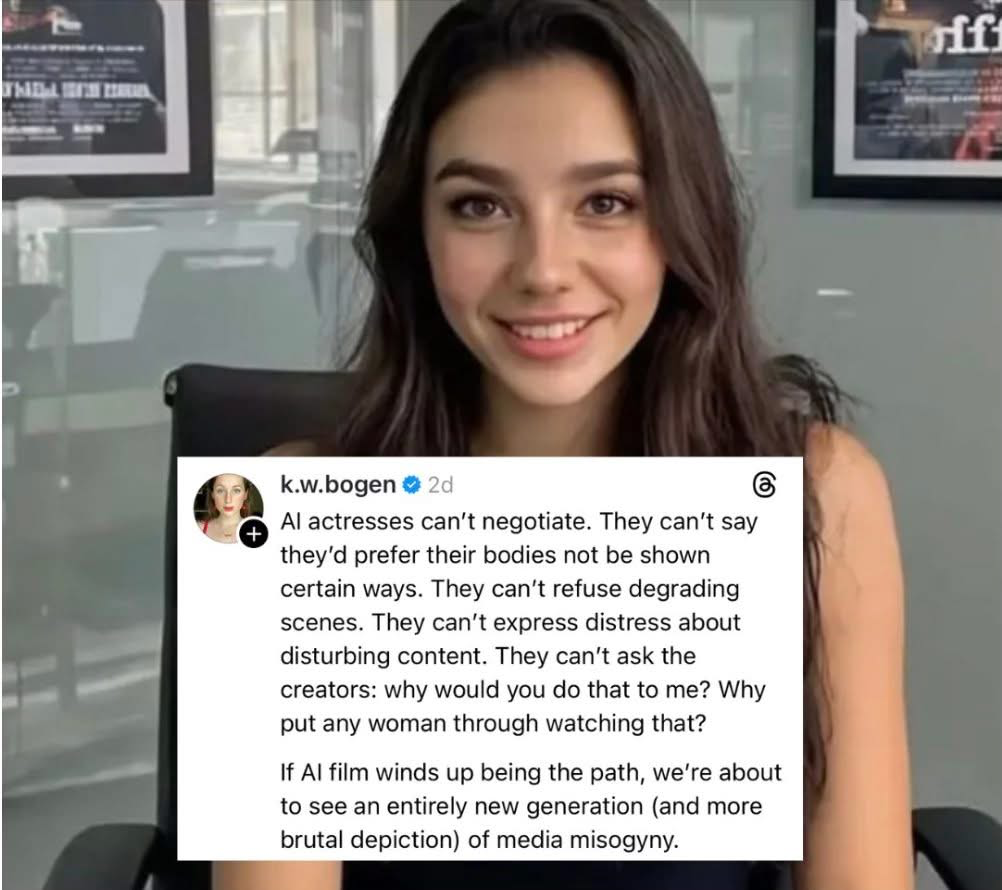
The real cost advantage? Production time shrinks from weeks to days. No reshoots for bad takes—the algorithm just re-renders. Studios are treating this like a cash machine.
The AI actress is being marketed as both a cost-saving tool and a creative asset. With budgets for some films skyrocketing into the hundreds of millions, studios see Tilly as a way to produce more content faster and cheaper.
The Job Displacement Crisis
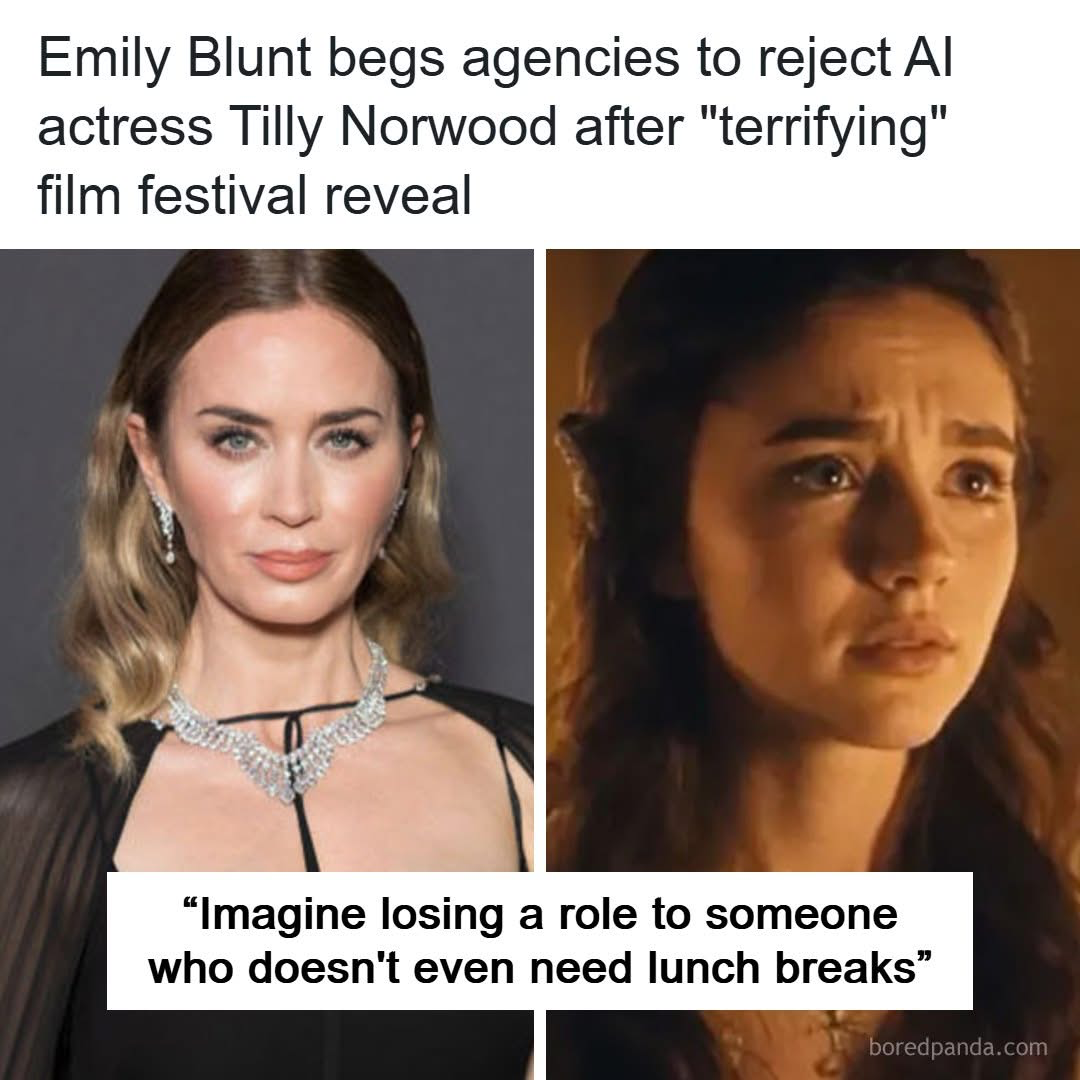
Reactions are mixed. Actors' unions have raised urgent concerns about automation killing employment across the industry. "AI cannot replace human creativity," said a spokesperson for SAG-AFTRA. "But it will replace human paychecks." Meanwhile, directors and producers are fascinated by the possibilities. "Imagine being able to cast anyone for any role instantly," says a well-known director who requested anonymity. "It opens doors we didn't even know existed."
Here's the dark reality: background actors are already being replaced. Stunt actors are next. Then character roles. Then leads. Every layer of the acting profession is potentially automatable.
Who Controls the Data? Ethical Warfare Ahead
Tilly also raises questions about the ethics of AI in entertainment. Can audiences form an emotional connection to a digital actor trained on stolen facial data from real performers? Who owns Tilly's performances—the studio, the algorithm designers, or some phantom entity? And what happens if studios decide to replace human actors entirely with AI, then license Tilly's likeness without paying residuals?
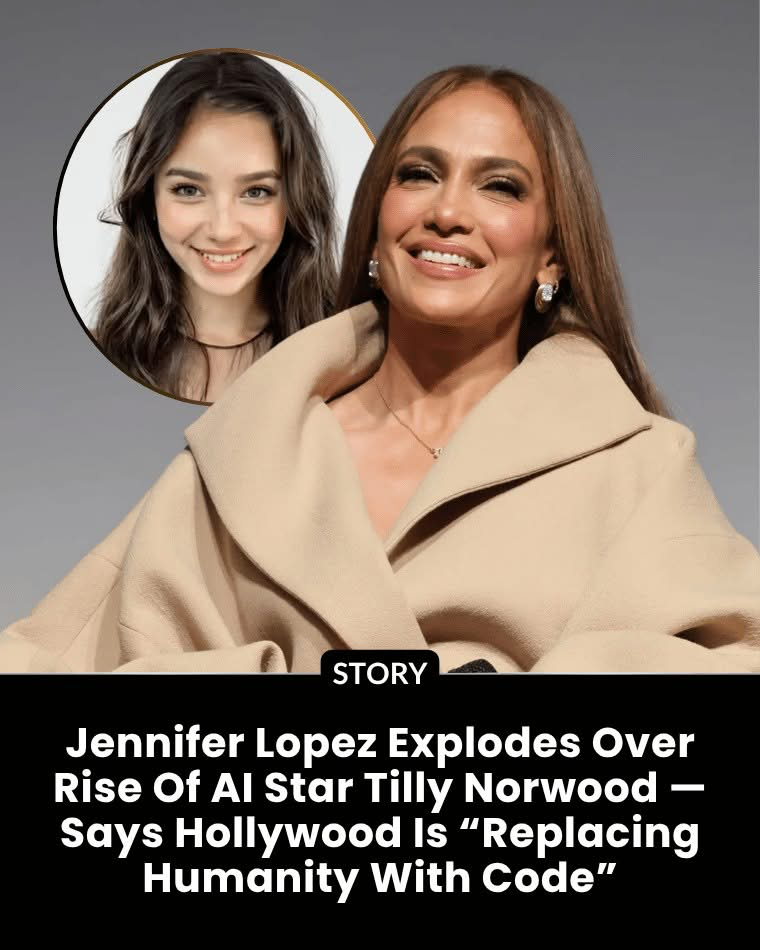
The bigger question: If Tilly learns emotional performance from 10,000 hours of real actors' work, are we watching stolen labor being monetized? That's not art. That's algorithmic theft.
Despite the debates, one thing is clear: Tilly Norwood is here to stay. Whether she becomes Hollywood's next superstar or sparks a larger conversation about AI in art, the future of entertainment will be written by machines—not actors.
Quick Questions About AI in Hollywood
Will AI actresses completely replace human actors? Not immediately. But automation always starts with the lowest-paid workers first—extras, background actors, stunt performers. From there, it creeps upward.
Can AI actually understand emotion? No. Tilly mimics emotion through pattern recognition on facial data. She's not feeling anything. Audiences might not care, but that's a philosophical problem for later.
Is this legal? It depends. Deepfake tech is largely unregulated. Some states are drafting laws, but studios are moving faster than legislation.
What about deepfake consent? If Tilly was trained on real actors' likenesses without permission, that's a lawsuit waiting to happen. The legal framework doesn't exist yet.
Could unions fight this? They're trying. SAG-AFTRA negotiated protections in 2023, but enforcement is weak when studios operate globally and tech moves at light speed.
What happens to casting directors, agents, and talent scouts? If you can generate any actor algorithmically, you don't need humans finding talent. That entire profession could vanish in a decade.
Related Reading
Want to dig deeper into AI disrupting creative work? Check out our coverage of how ChatGPT is replacing screenwriters, the future of work in automation-era Hollywood, and deepfake detection tech that's already losing the arms race.
What You Can Do Now
- Support independent filmmakers who use human actors.
- Follow the ongoing SAG-AFTRA negotiations on AI licensing and residuals.
- Learn about data ethics and who profits from training AI on creative work.
- Track legislation around deepfake consent and algorithmic performer rights.
Sources:
- Variety: Hollywood's AI Revolution
- The Hollywood Reporter: SAG-AFTRA AI Protections
- Wired: The Ethics of Digital Actors
- The Verge: Deepfake Technology Explained