
Is Clean Water Becoming a Rare Commodity? Separating Fact from Viral Hoaxes
clean water scarcity 2026, water hoaxes debunked, viral water rumors fact check, UN water bankruptcy, Jiuzhaigou lake color natural, Hangzhou tap water smell, AI water consumption facts, global water crisis reality, water commodification, sustainable water management

Clean Water Becoming a Rare Commodity? Separating Fact from Viral Hoaxes
What You'll Learn
- The Viral Hoax: "Government Warns Against Tap Water"
- The Perrier Scandal: Real Problems, Real Consequences
- The Quiero Agua Movement: Truth or Manipulation?
- Water: The New Oil? Real Trends in Water Privatization
- Other Viral Hoaxes and Real Crises
- The Mineral Water Myth: "Minerals Are Poison"?
- Why This Matters
- FAQ: Clean Water Hoaxes and Facts
Is clean water becoming a rare commodity? This question has exploded across social media in 2026, fueling everything from legitimate concern to outright panic. TikTok trends, viral rumors, and high-profile scandals have created a perfect storm of anxiety about the water we drink. Clean water scarcity, tap water safety, Perrier contamination scandal, Quiero Agua movement, and water privatization — these are the terms dominating searches as millions seek answers. We investigated the most widespread claims to separate fact from fiction.
For more on how misinformation spreads online, check out our coverage of mysterious ChatGPT features appearing overnight and how AI-generated content fuels confusion.

Pentair Everpure H-300-NXT Drinking Water System
300 gallon capacity. Reduces chlorine taste and odor, lead, VOCs, and sediment. NSF Certified and Made in the USA. Reliable protection for your drinking water.
Price: $431.94
Shop Now on Amazon →The Viral Hoax: "Government Warns Against Tap Water"
A major TikTok trend in mid-2026 falsely claimed that German authorities had recommended citizens stop drinking tap water without filtering it first. The videos, shared by accounts with names like "deutsche.nachricht4" and "Deutsche Nachrichten," spread panic by suggesting that "micro-contaminants" and "medication residues" made tap water unsafe.
The truth? Completely false. The German Federal Environment Agency categorically denied issuing any such warning. Hendrik Paar, head of the agency's drinking water hygiene department, stated: "The Federal Environment Agency has not issued any recommendation of this kind." He confirmed that no such recommendation had been made by any state authorities or ministries. "The regulations of the Drinking Water Ordinance continue to apply."
In fact, tap water quality in Germany is considered excellent, with legal requirements ensuring it remains "pure and fit for consumption." While trace amounts of substances like medication residues can be detected, they remain far below legal limits and pose no health risk even with daily consumption.
The Perrier Scandal: Real Problems, Real Consequences
While the German tap water panic was a hoax, a genuine scandal has rocked France's bottled water industry. The BBC reports that Perrier, the iconic sparkling water brand, faces a potential "Watergate" that could strip it of its "natural mineral water" status after 160 years.
The issue: Perrier has been using micro-filtration to treat its water due to contamination concerns linked to climate change and drought. Under EU law, "natural mineral water" must be unaltered from source to bottle. The company admitted to using illicit methods to treat its water, with CEO Laurent Freixe testifying before a senate hearing that Perrier had used prohibited filtration.
This scandal echoes other corporate cover-ups we've investigated, including Meta's abandonment of fact-checkers and the erosion of accountability in the digital age.
Why does this matter? Hydrologist Emma Haziza explains: "When you have big brands that feel they have no choice but to treat their water — that means they know there is a problem with the quality." The cause is directly linked to climate change: five years of successive droughts have affected deep aquifers that companies once thought were protected.
The scandal is so significant that Le Monde called it "Watergate" — a combination of industrial fraud and state collusion. A government decision on Perrier's status is expected in the coming months.

Big Berkey Gravity-Fed Stainless Steel Countertop Water Filter System
2.25 gallon capacity with 2 Authentic Black Berkey Elements. Countertop design, no installation required. Perfect for home use and emergency preparedness.
Price: $367.00
Shop Now on Amazon →The Quiero Agua Movement: Truth or Manipulation?
The #QuieroAgua hashtag, Spanish for "I want water," has become a global phenomenon encompassing genuine environmental concern, social justice advocacy, and misinformation campaigns. The movement initially appeared organic, driven by authentic concerns about water scarcity. However, analysis reveals a deliberate effort to steer the narrative in multiple directions, adding complexity to the already contentious issue of water access.
This manipulation mirrors what we've seen with other viral movements. Read our investigation into TikTok uninstall spikes following takeover rumors and how social media drives panic.
The environmental argument is undeniable: many regions face severe water shortages due to climate change, unsustainable agriculture, and poor management. The hashtag has given activists a platform to demand stricter regulations on corporate water usage, particularly targeting bottling companies that consume vast quantities of water while local communities go without.
But the movement has also been manipulated. Some posts have promoted unsubstantiated claims about specific corporations, hindering constructive dialogue. Fact-checking organizations report a "significant increase" in disinformation surrounding the hashtag. The challenge: separating genuine environmental and human rights concerns from the noise of misinformation.

Clearsource Whole Home Water Filtration System with VirusGuard
Comprehensive whole-home filtration with VirusGuard technology. Protects every tap in your home from contaminants and viruses.
Price: $1,499.99
Shop Now on Amazon →Water: The New Oil? Real Trends in Water Privatization
Is water becoming a commodity like oil? This question is not just a conspiracy theory — it's a documented trend. Over the past two decades, multinational companies and investment funds have been quietly buying up vast land not for agriculture, but for access to water resources. Underground wells, lakes, and rivers are being turned into private property.
This trend is part of a larger pattern of resource privatization we've covered, including water crisis hoaxes and the real threats to global water security.
Banks and analysts warn that by 2030, global water demand will exceed supply by 40 percent. By 2050, seven billion people will be affected by water crises. This reality has led to a quiet race between states, investment funds, and corporations to secure control over drinking water sources.
The model is consistent: corporations buy land with underground reservoirs, lease springs, or take over local water supplies that were once state-owned. In the UK, privatization has given corporations de facto control over water — setting prices, investing only when profitable, and extracting profits for shareholders rather than local communities.
Some of the world's most endangered water systems include the Ogallala Aquifer in the United States (nearly depleted by industrial agriculture), the Guarani Aquifer (targeted by multinational corporations), and the Nubian Aquifer (the largest fossil water reservoir, spanning Egypt, Libya, Sudan, and Chad).
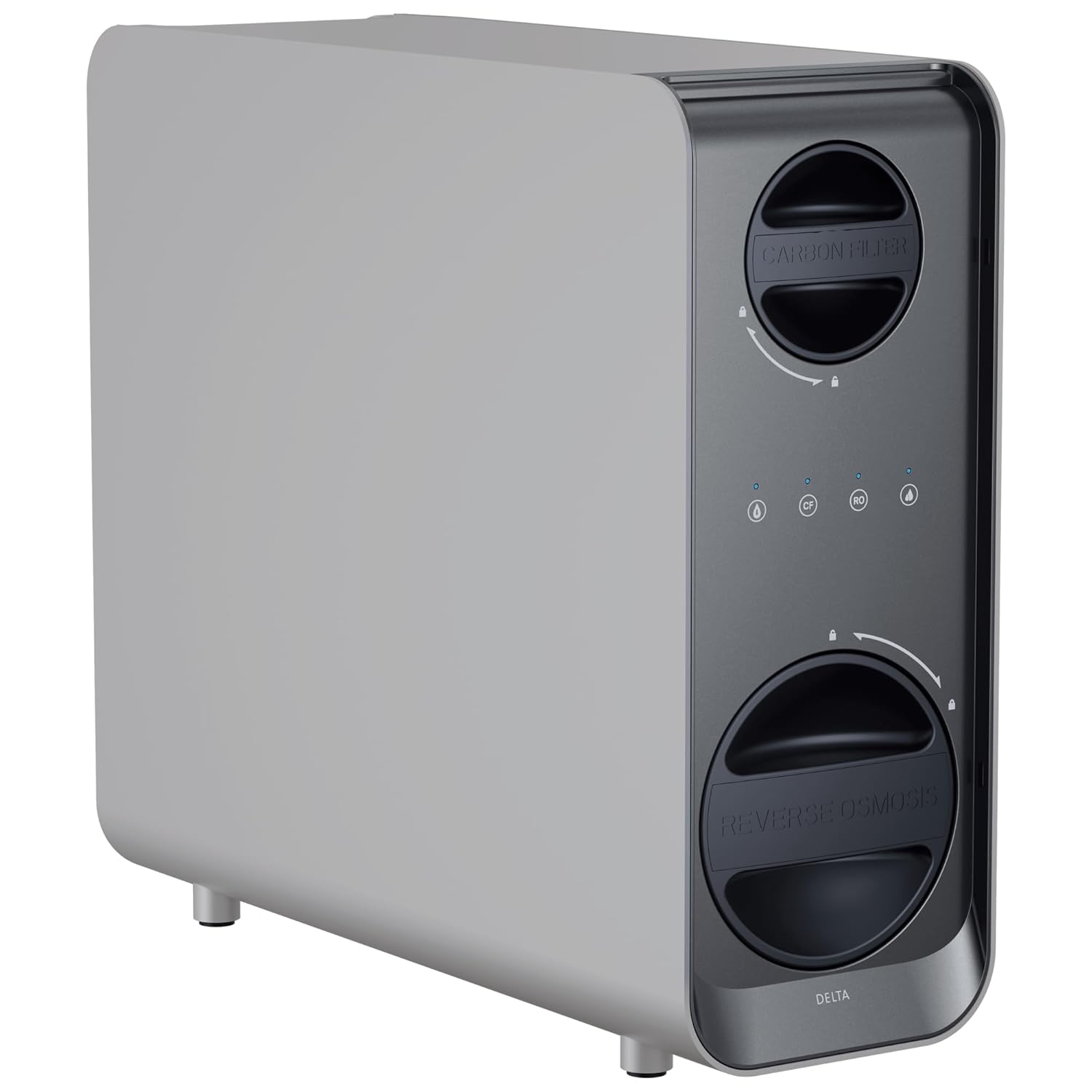
Delta Faucet Clarifi Under Sink Reverse Osmosis Water Filter System
6-stage RO water filter with tankless under-sink design. Provides clean, great-tasting water directly from your tap.
Price: $799.00
Shop Now on Amazon →Other Viral Hoaxes and Real Crises
Across the globe, water-related social media hoaxes are becoming increasingly common:
- Egypt: Viral videos falsely claimed that a famous bottled water brand was contaminated with human waste. The people behind the hoax were arrested for spreading unsubstantiated claims and endangering public safety.
- South Africa: An anonymous voice note claimed foreign nationals had poisoned a local reservoir in Lesedi Municipality. The municipality confirmed the claim was "completely false" and that all water systems were functioning normally.
- Mexico: A viral video showing a woman bathing a child at a public water dispenser sparked debate about water scarcity in Torreón, where residents said they had been without running water for over a month.
- Spain: In Lanzarote, residents continue to face weekly water cuts while tourists enjoy plentiful supplies in hotels, highlighting inequality in access to water.
For more on how viral hoaxes spread globally, read our coverage of passengers sharing experiences on social media and how misinformation can amplify panic.
The Mineral Water Myth: "Minerals Are Poison"?
Another persistent hoax claims that minerals in water are "poisons" that humans cannot absorb. This rumor, often used to sell expensive water filtration systems, has been debunked by scientists.
Professor Pascal Houillier, a nephrologist at Georges Pompidou Hospital, explains: "There is no life without minerals. An adult contains on average 100 grams of sodium, one kilogram of calcium, and 140 grams of potassium. All these are minerals without which life is impossible." The human body absolutely absorbs minerals from water — and would be unable to function without them.
This is similar to other health myths we've debunked, including whether supplements and vitamins are useful or a waste of money.
Why This Matters
The convergence of real water crises and viral misinformation creates a dangerous situation. While climate change, drought, and corporate over-extraction are legitimate threats, the spread of false claims can undermine public trust in safe water sources and distract from real solutions.
This pattern of misinformation is something we've tracked extensively. Read our investigation into how AI can be used to spread and amplify false narratives online.
As former UN Secretary-General Ban Ki-moon warned: "Water, if not managed carefully, will be a key source of tension and conflict between states." The trend of water privatization — turning a human right into a commodity — is real and accelerating. But so is the weaponization of fear through social media.
For consumers, the key is critical thinking: verify sources, check official statements, and don't panic. For governments, transparency and public education are essential. For corporations, accountability for environmental impact is non-negotiable.
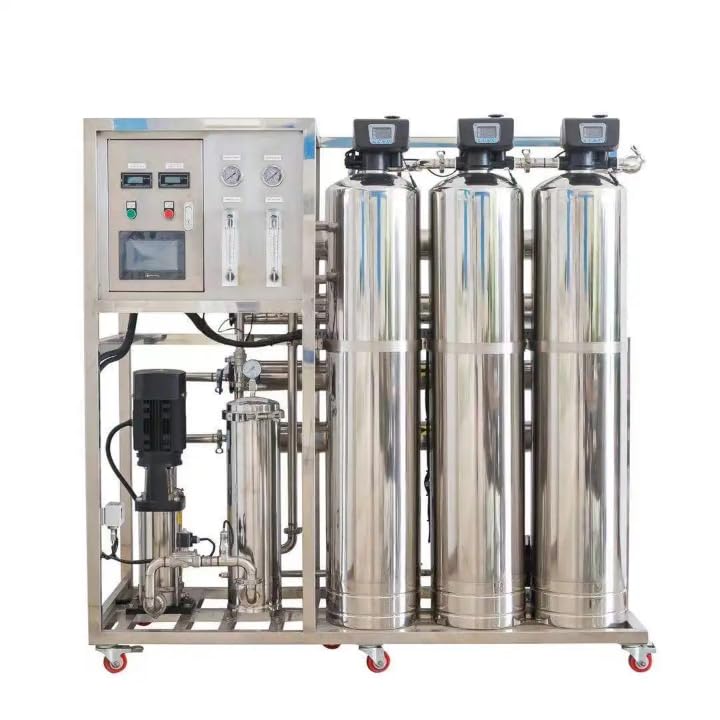
1000 LPH Commercial Water Filtration System
Stainless steel reverse osmosis system with digital control panel. Industrial grade water purifier with triple filter tanks for commercial applications.
Price: $8,192.46
Shop Now on Amazon →
Sartorius arium Mini Plus Ultrapure Water System
UV bundle for ultrapure water. Ideal for laboratory and medical applications requiring the highest water purity standards.
Price: $8,006.27
Shop Now on Amazon →
AFWFilters AdEdge 40 Arsenic Filter System
Bayoxide E33 with Fleck 2510SXT. Professional-grade arsenic removal for homes with elevated arsenic levels in water.
Price: $5,999.00
Shop Now on Amazon →
Bag Type Filter 304 Stainless Steel Water Tower Filter
Commercial-grade water tower front filter. Durable 304 stainless steel construction for industrial water filtration needs.
Price: $6,422.08
Shop Now on Amazon →FAQ: Clean Water Hoaxes and Facts
Q: Is tap water safe to drink in Europe?
A: Yes. European tap water is strictly regulated and considered safe to drink. Claims that governments are warning against tap water are false hoaxes spreading on social media.
Q: Did Perrier get caught faking its natural mineral water?
A: Yes. Perrier admitted to using illicit micro-filtration to treat its water. The company may lose its "natural mineral water" status after 160 years due to contamination concerns linked to climate change and drought.
Q: Is water becoming a commodity like oil?
A: Yes. Multinational corporations and investment funds have been quietly buying water rights and privatizing water sources globally. By 2030, global water demand is expected to exceed supply by 40 percent.
Q: Are minerals in water dangerous?
A: No. This is a dangerous myth. Minerals like calcium, sodium, and potassium are essential for human health. The human body absorbs minerals from both food and water.
Q: What should I do if I see a water safety warning on social media?
A: Verify the information with official sources like local government websites, health authorities, or water utilities. Do not share unverified claims that could cause unnecessary panic.
For more on how to spot misinformation online, read our guide to navigating viral claims and verifying sources before sharing.
For more on environmental issues and resource scarcity, read our coverage of the clean water shortage warning and how Gen Z is redefining happiness in the face of environmental challenges.
Water Filtration and Safety Resources
Explore our full selection of water filtration systems, testing kits, and educational books about water quality and safety.
Shop All Water Filtration on Amazon →Explore Topics
Water Crisis Clean Water Tap Water Safety Water Hoax Perrier Scandal Quiero Agua Water Privatization Water Scarcity Climate Change Misinformation TikTok Hoax Fact Check Water Rights Water Quality Water FiltrationAs an Amazon Associate, YEET Magazine earns from qualifying purchases.