
What Separates Millionaires From Ordinary People?
what separates millionaires from ordinary people habits asset ownership time horizon risk tolerance financial literacy compounding investing behavior mindset

What Separates Millionaires From Ordinary People?
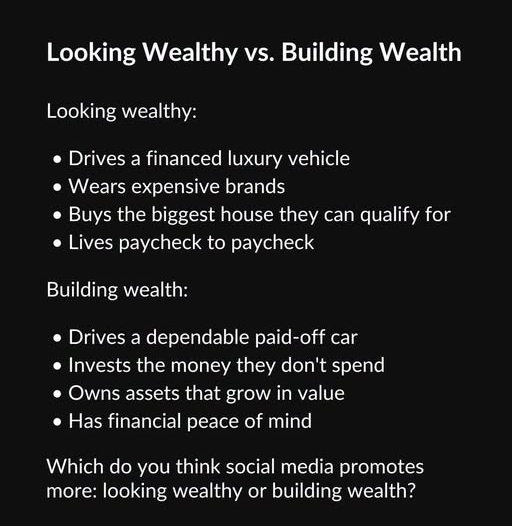
What separates millionaires from ordinary people is not intelligence, luck, or even income. It is behaviour repeated over decades: owning assets instead of only earning income, thinking in years instead of months, and treating money as a system rather than a feeling.
The gap is smaller than most people imagine and more boring than most people hope. There is no single trick. There is a set of habits that compound.
They Own Assets, Not Just Income
Ordinary people earn money and spend it. Millionaires earn money and convert it into assets that produce more money.
Those assets include businesses, equities, real estate, and intellectual property. The key is that the assets generate income without requiring the owner's time.
This is the difference between a salary and a balance sheet. Our coverage of how ordinary people build wealth to millionaire status shows the pattern in practice.
They Think in Decades
Most financial decisions are evaluated on a monthly or annual basis. Millionaires evaluate them over decades.
That time horizon changes everything. It makes volatility tolerable, because short-term drops are irrelevant to a thirty-year plan. It makes compounding powerful, because returns accumulate over time.
The math is not complicated. A person who invests consistently for thirty years will almost always outperform a person who invests aggressively for five.
They Treat Money as a System
Ordinary people often treat money emotionally: spend when happy, save when anxious, invest when excited.
Millionaires tend to treat money as a system with rules. They automate savings. They set investment policies. They review performance on a schedule rather than in response to headlines.
The system removes emotion from the decision, which is why it works. Our piece on a 30-year-old's fears about Social Security shows what happens when people plan without a system.
They Accept Risk, But Measured Risk
Millionaires are not reckless. They are comfortable with calculated risk.
They invest in things they understand. They diversify. They keep reserves. They avoid bets that could wipe them out.
The difference is not tolerance for risk. It is tolerance for uncertainty combined with a plan. Our coverage of how to think about which stocks to invest in explores the practical side.
They Invest in Financial Literacy
Millionaires tend to understand the basics of tax, investing, and business structure.
They do not need to be experts, but they know enough to ask good questions and to recognise bad advice. That literacy is often the difference between keeping wealth and losing it.
They Protect the Downside
Ordinary people focus on upside. Millionaires focus on protecting what they have.
That means insurance, emergency funds, legal structures, and diversification. It means avoiding single points of failure.
The goal is not to maximise returns. It is to avoid ruin. Our story on a 28-year-old with $200,000 in medical debt shows how quickly an unprotected downside can destroy a financial life.
They Build Networks
Millionaires tend to know other millionaires.
That is not a coincidence. Networks provide access to opportunities, advice, and capital. They also normalise wealth-building behaviour, which makes it easier to sustain.
The Uncomfortable Part
None of this is secret. The habits are widely documented.
What separates millionaires from ordinary people is not knowledge. It is consistency. They do the boring things for a long time, and the results compound.