Evolution in 2026: Why Tech is Replacing Biology
human evolution 1 million years, future of humanity, transhumanism, technological evolution, biological vs tech evolution, human enhancement, posthumanism.

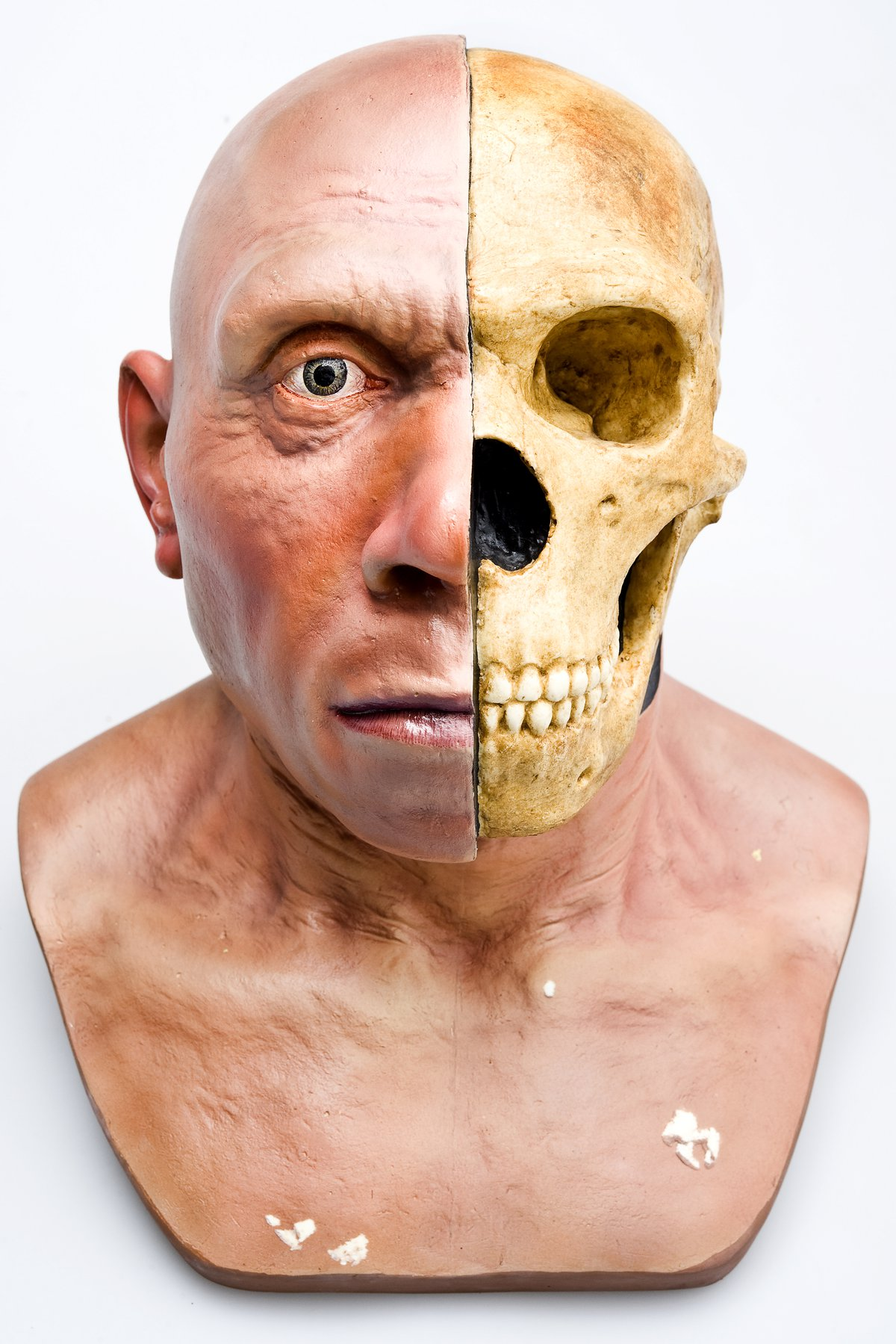
Evolution Future: What Humans Could Look Like In 1 Million Years (This Is Not What You Expect)
Humans are already changing — and it's happening faster than you think. Evolution future, future human evolution, what will humans look like in a million years, human evolution future, future of humanity, AI human evolution, transhumanism future, human species future, genetic engineering humans, and posthuman future — these are the searches that matter. And the answers might surprise you. Read more science news →
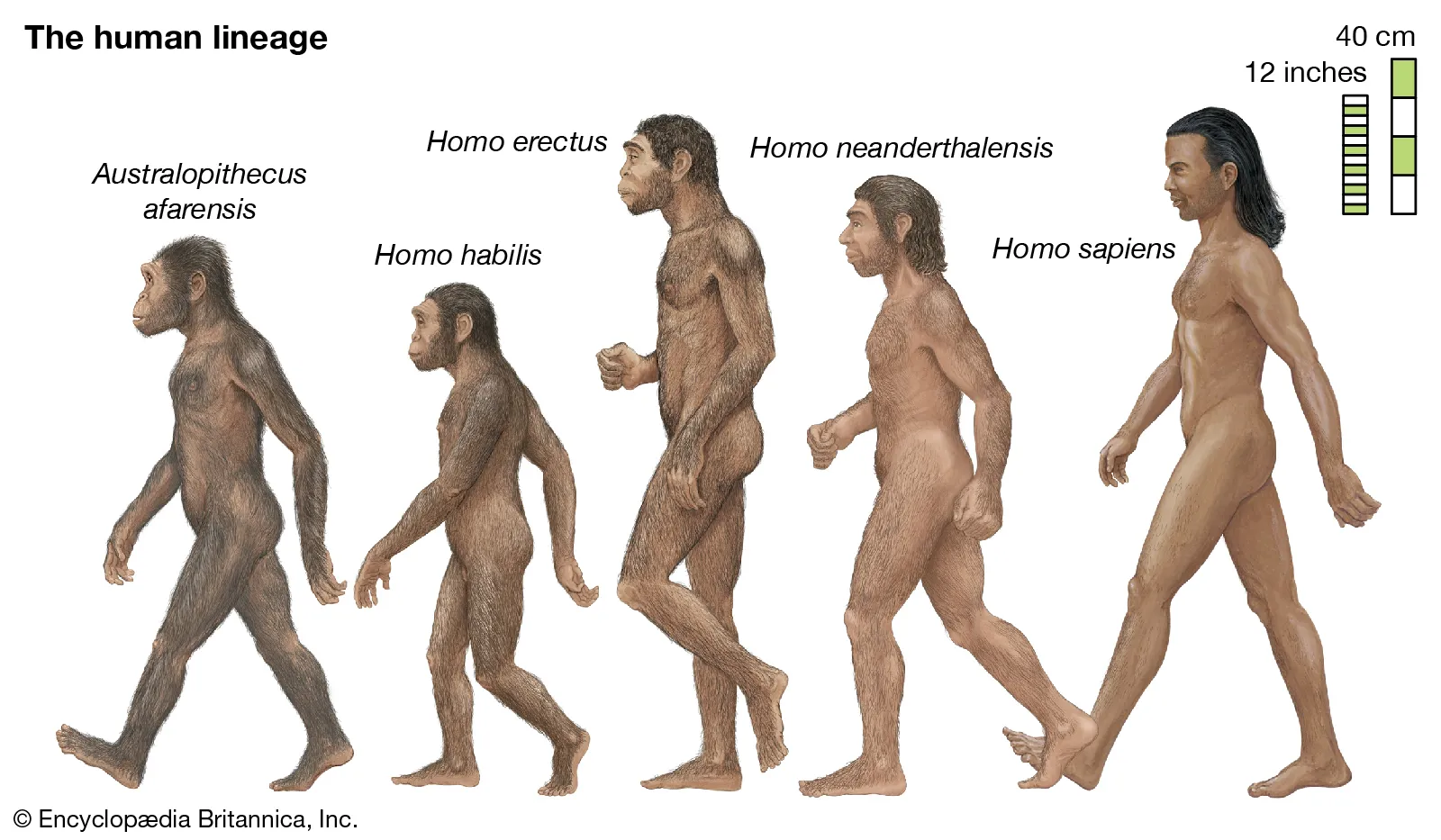
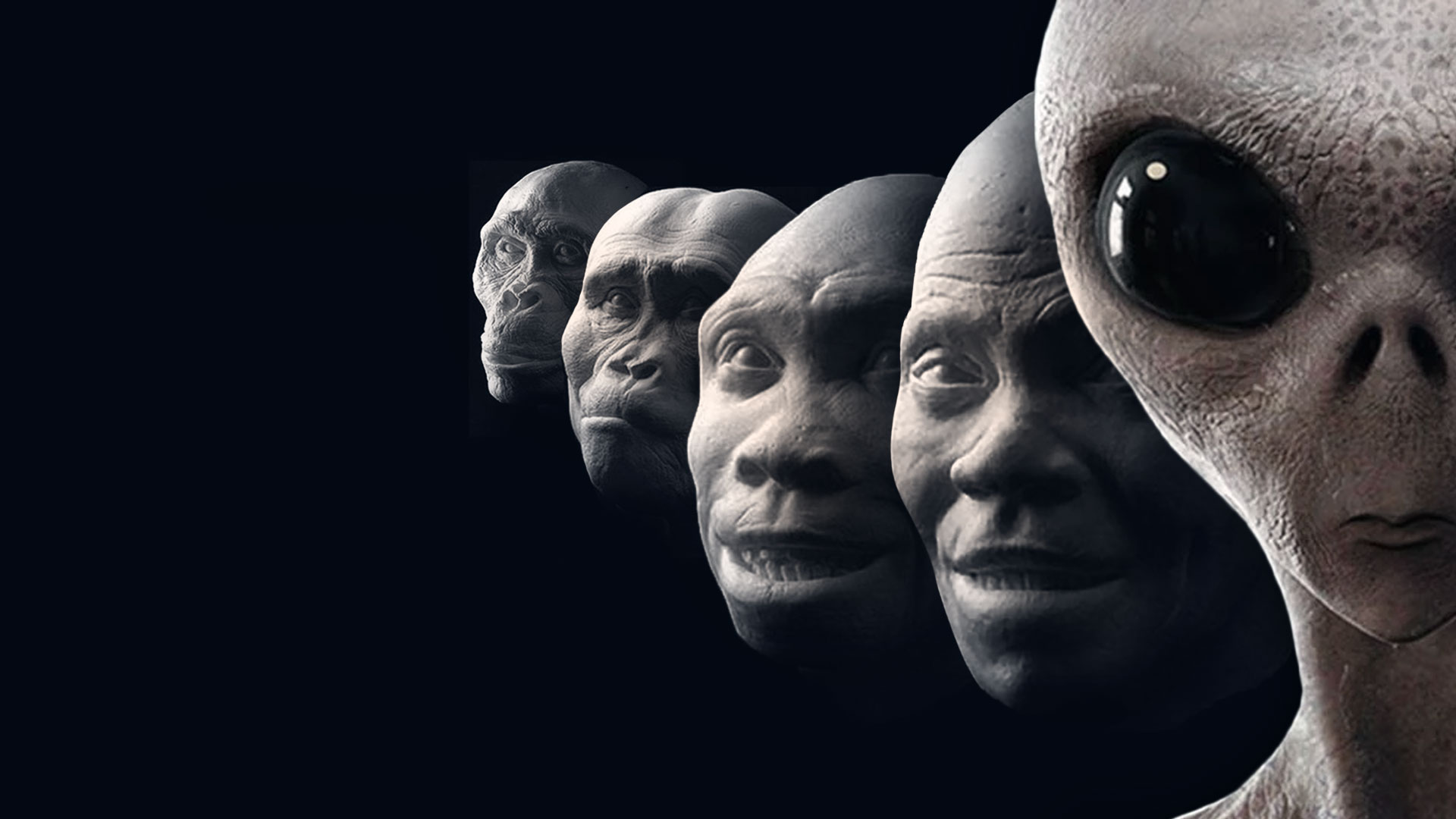
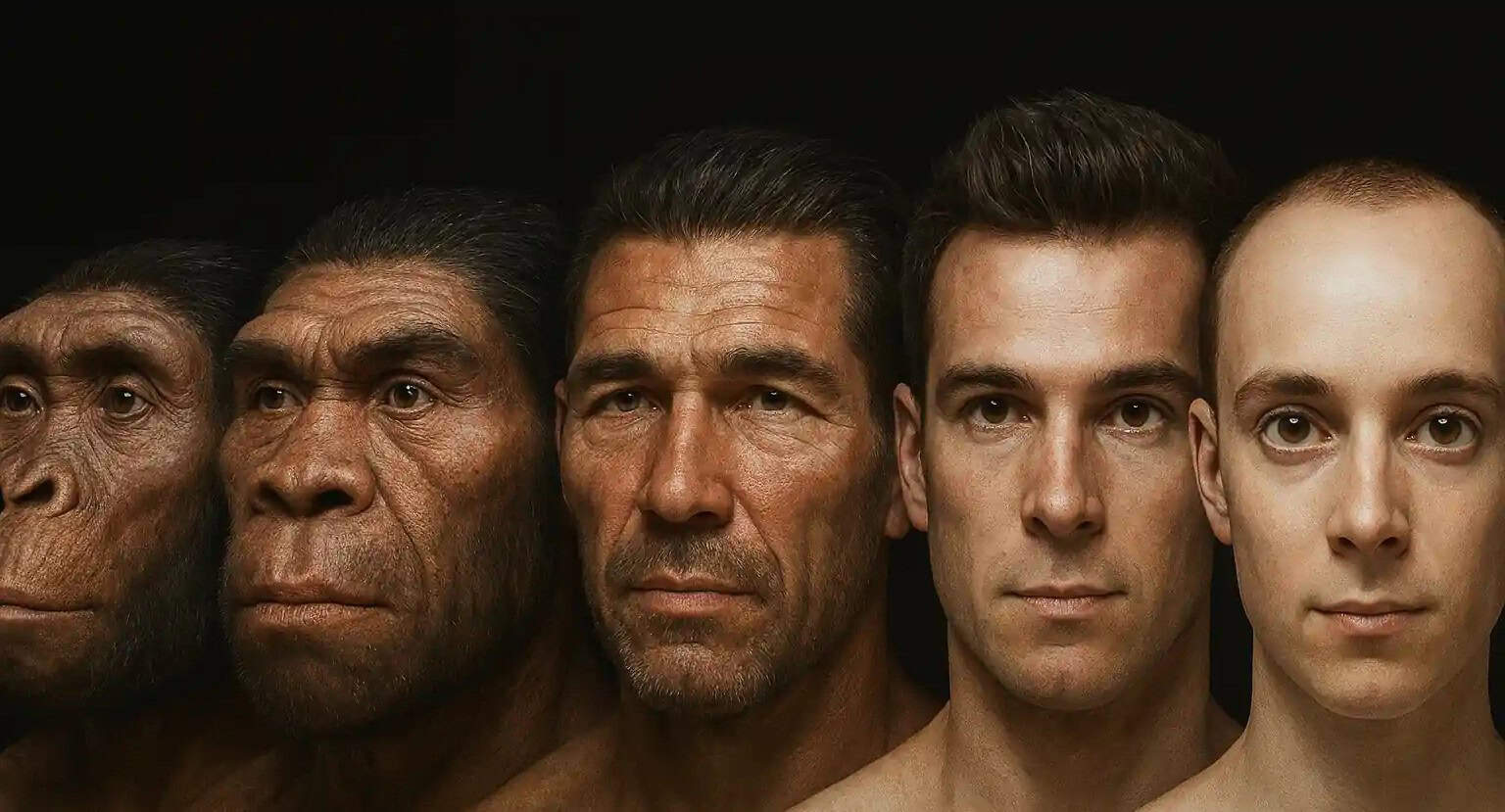
Most people think evolution takes forever. It doesn't. A million years is plenty of time for dramatic change. But here's the twist: the biggest changes won't come from natural selection. They'll come from technology, culture, and the choices we make.
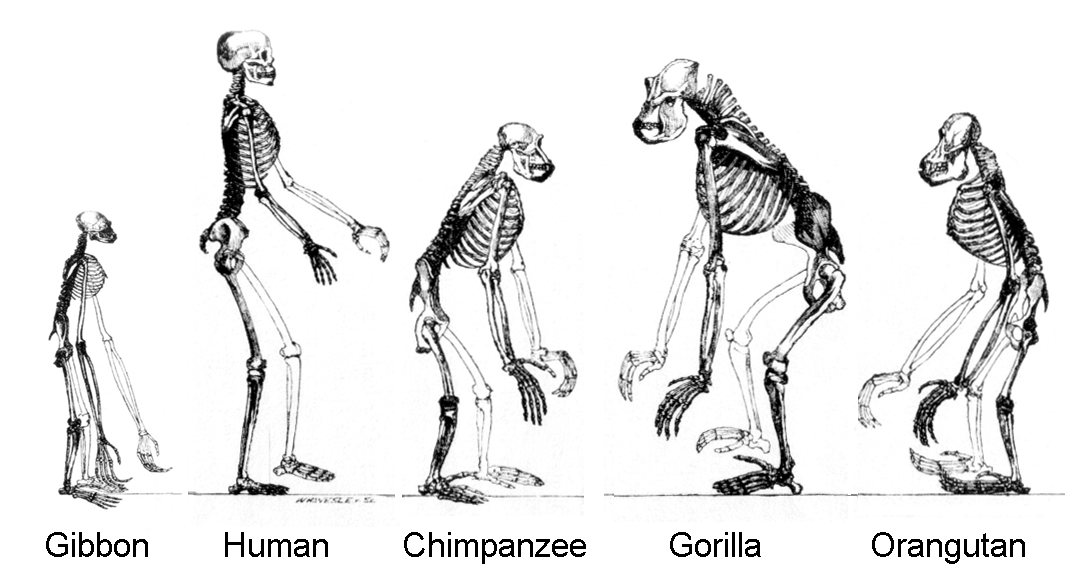
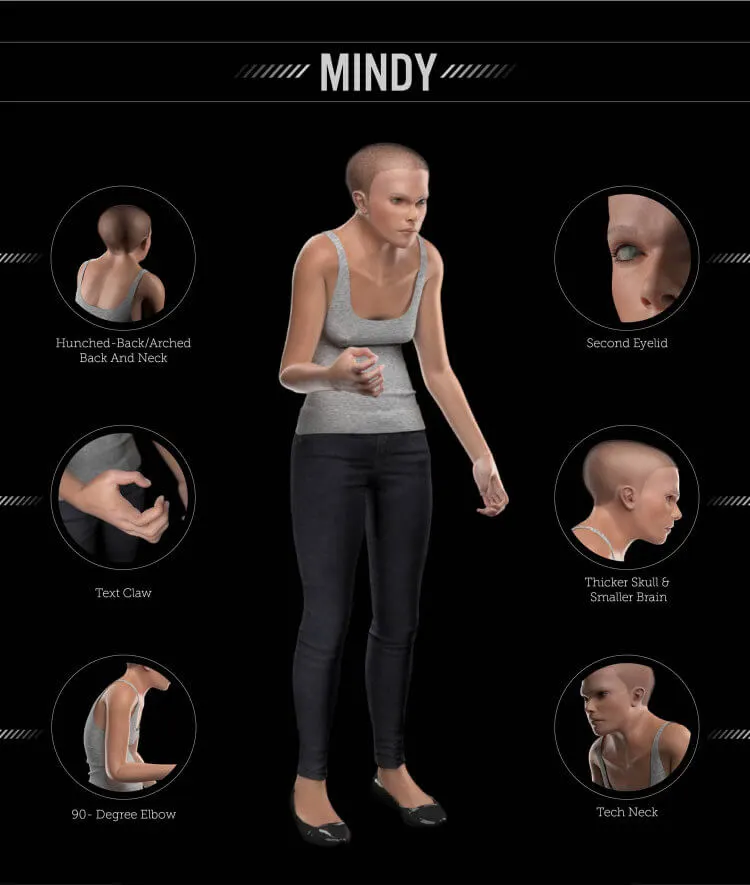
According to the American Museum of Natural History, human evolution is still happening — but it's no longer driven by the forces that shaped our ancestors. Instead of adapting to nature, we're adapting to cities, screens, and each other .
Explore the Future of Humanity
Books and resources on human evolution, transhumanism, and the future of our species.
Shop Evolution & Future Books →The Big Surprise: We Might Not Change That Much
Here's the thing evolution experts keep telling us: humans probably won't look dramatically different in a million years. Not because we're not changing, but because we're one giant, global population.
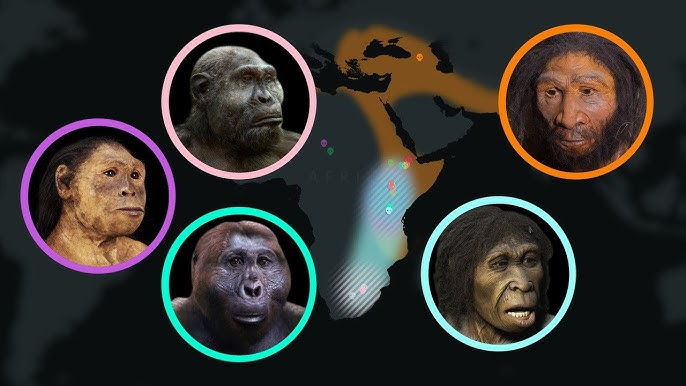
Ian Tattersall, curator emeritus at the American Museum of Natural History, explains that humans evolved when populations were small and isolated. That's when new traits emerge and stick .
Today? We're packed cheek by jowl across the entire planet. "A large population like that is not good circumstances for fixing evolutionary novelties," Tattersall says .
But Skin Colour Will Get Darker
One trend is almost certain: global skin colour will get darker. According to geneticist Dr. Jason A. Hodgson, populations in Africa are rapidly expanding, while lighter-skinned populations are reproducing at lower rates .
"It's almost certainly the case that dark skin colour is increasing in frequency on a global scale relative to light skin colour," Hodgson told BBC Earth. "I'd expect that the average person several generations out from now will have darker skin colour than they do now."
Cyborgs, Uploads, and AI: The Real Future
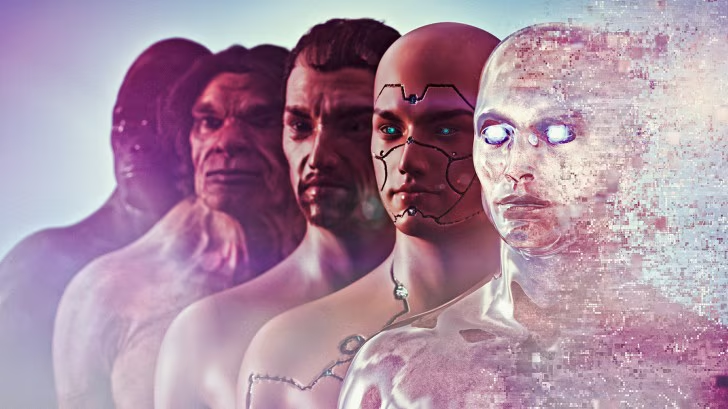
If biological evolution is slowing down, technological evolution is speeding up. A lot of experts think the future of humanity isn't biological at all — it's digital .
In 2026, researchers from the Max Planck Institute for Evolutionary Biology published a paper exploring whether humans and AI could evolve into a single "evolutionary individual" — like the ancient fusion of two microbes that gave rise to complex cells .
According to Paul Rainey of the Max Planck Institute, "The big question is whether we are now standing on the threshold of a similar transition — this time between humans and artificial intelligence."
Understand AI and Human Evolution
Books on artificial intelligence, transhumanism, and the future of human evolution.
Shop AI & Future Books →Three Paths to the Future
In a 2026 paper published in Comptes Rendus Biologies, Rainey outlined three ways AI could reshape human evolution :
- Centralised AI systems that influence human evolution by creating conditions that favour collective survival
- Replicating AI lineages that could form equal partnerships with humans
- AI systems transmitted across generations as part of human development
The last two options could create "evolving composite lineages" — meaning humans and AI evolve together as a single system .
What About Mars?
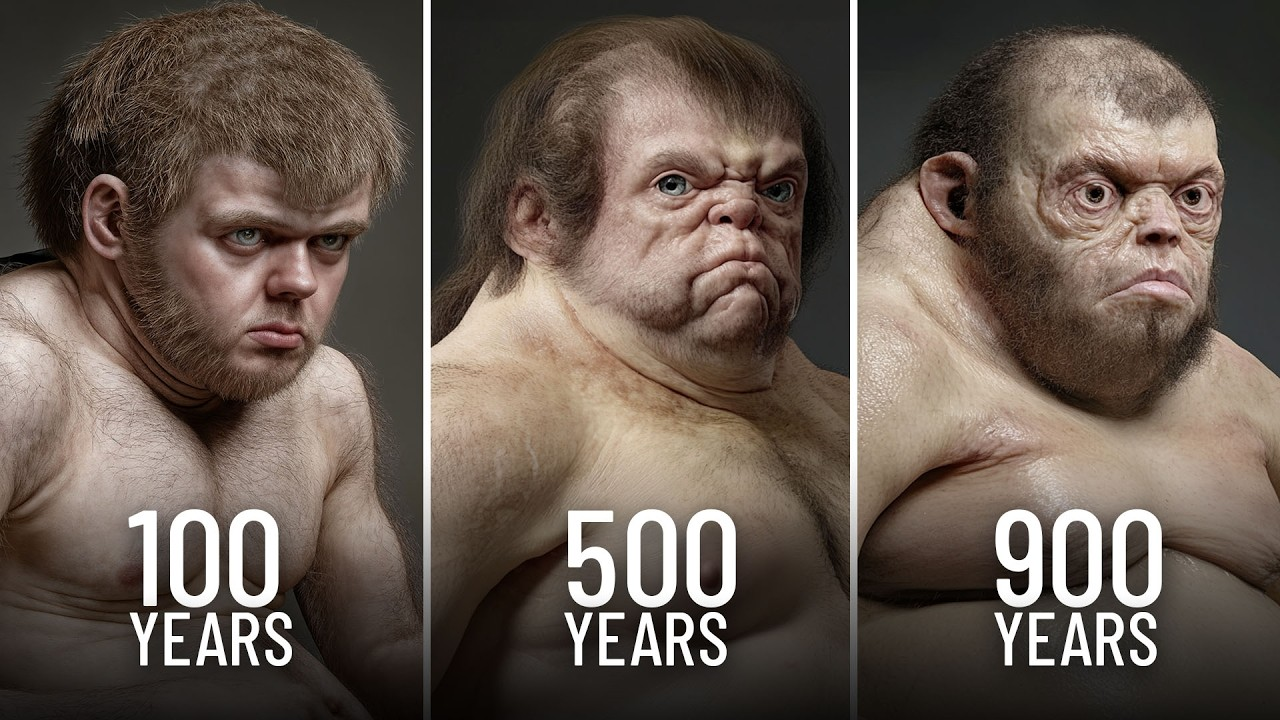
If humans colonise Mars or other planets, evolution could take very different paths depending on the environment. Lower gravity could mean longer arms and legs. Colder climates could mean more body hair. Different planets could mean different humans .
But here's the thing: if we can terraform planets or build artificial habitats, we might not need to adapt at all. We can just change the environment to suit us. That's the paradox of technology — it might stop biological evolution in its tracks.
Will Humans Go Extinct?
There's a darker possibility. According to some estimates, human extinction within a million years is entirely plausible. War, climate change, asteroid impacts — any one of them could wipe us out .
Even if we don't go extinct, we might be replaced. By AI. By robots. By our own digital descendants .
Prepare for the Future
Gear and resources to help you navigate the coming AI and technology transformation.
Shop Tech & AI Gear →FAQ: Evolution Future and Human Evolution
Q: Will humans evolve into a new species?
A: Possibly. But not through natural selection. The most likely path is through genetic engineering, AI integration, or digital uploads.
Q: What will humans look like in 1 million years?
A: No one knows for sure. But experts predict darker skin, possible changes in body size, and potentially major technological modifications.
Q: Is human evolution still happening?
A: Yes. According to the American Museum of Natural History, human evolution is still occurring — but it's being shaped by culture and technology, not just natural selection .
Q: Will AI replace humans?
A: Some experts think AI and humans could merge into a single evolutionary system. Others think AI will replace us entirely. The outcome depends on the choices we make now .
Q: Can humans evolve to live on Mars?
A: Possibly. But it's more likely we'll use technology to adapt the environment rather than waiting for biological evolution.
Explore More from YEET Magazine
Explore Topics
Evolution Future Human Evolution Future What Will Humans Look Like in a Million Years Future Human Evolution Future of Humanity AI Human Evolution Transhumanism Future Human Species Future Genetic Engineering Humans Posthuman Future Human Evolution Natural Selection Genetic Drift Gene Editing CRISPR Humans Designer Babies Cyborg Future Brain Implants Neural Implants Human AI Symbiosis AI Consciousness Artificial General Intelligence Brain Upload Digital Immortality Human Extinction Space Colonization Mars Colonization Terraforming Dyson Sphere Evolutionary Transition Major Evolutionary Transitions Homo Futurae Posthuman Species Transhumanism Singularity Technological Singularity Sci News Science News Breaking News Global News Tech News AI Trends 2026 Future of Work Trends Digital Culture Trends Pop Culture News Viral Stories Trending Stories Latest News Updates Today's Top Headlines Creator Economy Content Marketing Self-Improvement