
Why Do Social Media Filters Make Us Feel Worse About Our Own Faces?
why social media filters make us feel worse about our faces body image comparison dysmorphia selfie distortion digital identity self-esteem

YEET Magazine
Why Do Social Media Filters Make Us Feel Worse About Our Own Faces?
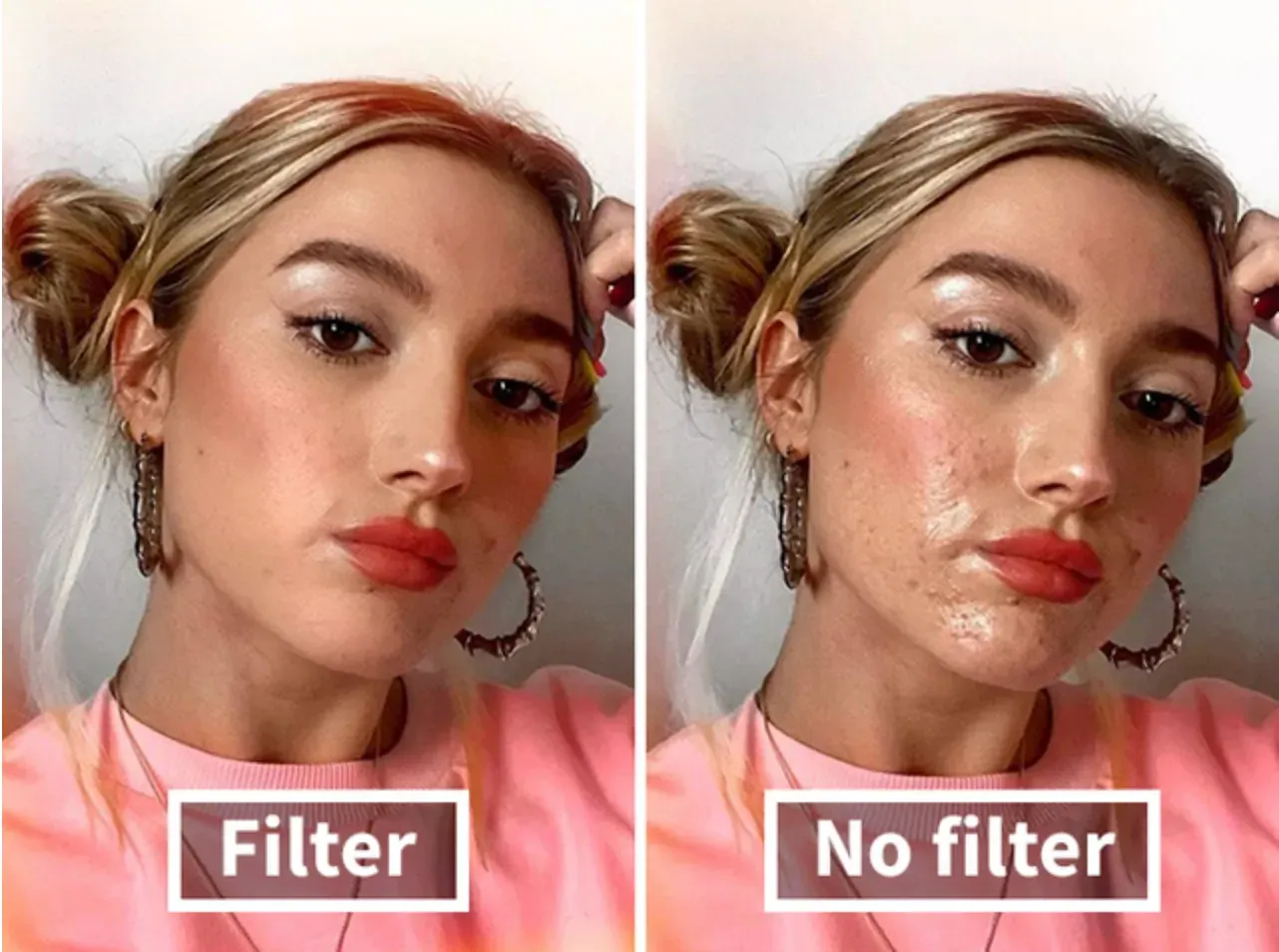
Social media filters make us feel worse about our faces because they train us to see our unfiltered reflection as the "before" image. The brain compares the filtered version to the real one, and the real one loses.
The phenomenon has a name: Snapchat dysmorphia. It was coined by Boston University researchers in 2018 after clinicians noticed patients asking for surgery to make them look like their filtered selfies.
Filters do three things at once: smooth skin, enlarge eyes, and slim the jaw. Each mimics features that are statistically rare. The result is a face that looks real but isn't. The brain registers it as real because it appears on a real person, in real time.
Teenagers and young adults are the most affected, because they are still forming their sense of self and because they spend the most time on platforms where filters are default.
What do you think? Have filters changed how you see yourself? Share your experience.
Source: YEET Magazine