
Why Does America Want to Replace the Petrodollar? It Doesn't — And That's the Whole Problem
why does america want to replace the petrodollar us iran war oil currency de-dollarization petrodollar system dollar hegemony energy geopolitics sanctions

YEET Magazine
Why Does America Want to Replace the Petrodollar? It Doesn't — And That's the Whole Problem
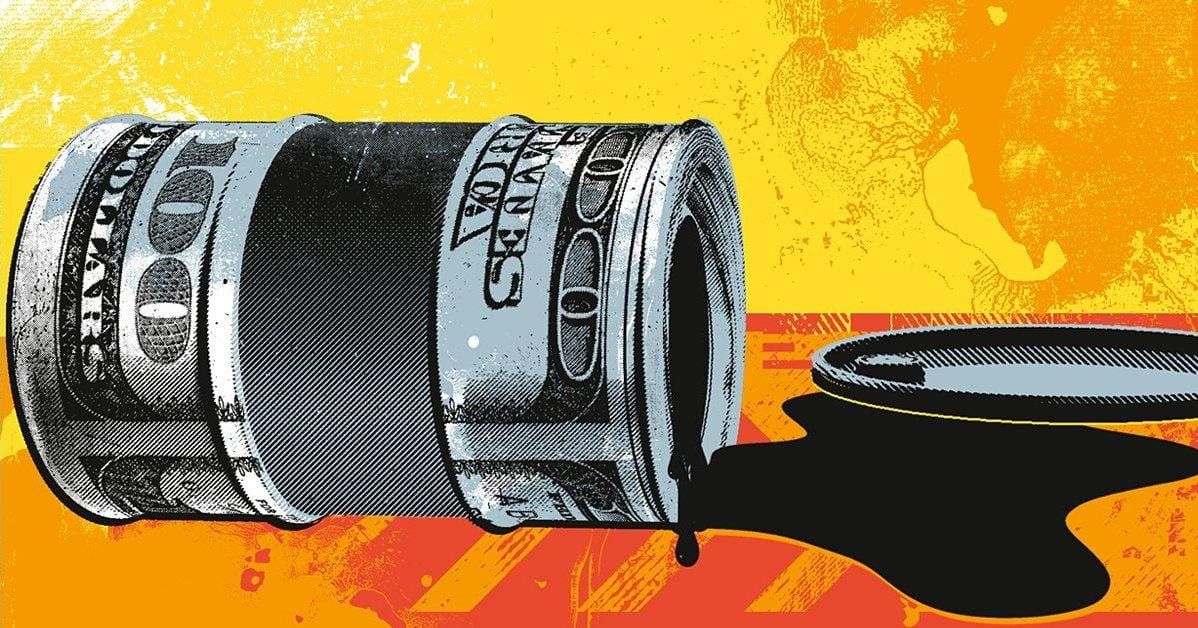
America does not want to replace the petrodollar. It wants to protect it. The confusion comes from the fact that the war with Iran has weakened the system America is trying to defend.
The petrodollar system is the arrangement in which oil is priced and sold in US dollars. It has underpinned American financial power for decades, because every country that buys oil needs dollars.
The system is under pressure from multiple directions. Renewable energy is reducing the long-term demand for oil. Countries including Russia, China, and Iran have been promoting oil trade in local currencies. Saudi Arabia, the system's cornerstone, has shown signs of drifting from Washington.
America's war with Iran was partly intended to defend the system by removing a persistent challenger. Iran has been one of the most active countries in promoting de-dollarization, and it controls the Strait of Hormuz, through which roughly 20 percent of seaborne oil passes. This is why the US-Iran war is the defining conflict of the decade: it is not a regional dispute, it is a contest over the structure of the global economy.
The war has had the opposite effect. It has accelerated de-dollarization efforts, exposed the limits of American military power, and created economic pressure on allies that has made them more, not less, willing to explore alternatives.
The domestic political context matters too. The war has been prosecuted while Democrats debate whether they can hold the President accountable and while the administration spends on projects like the $600 million White House ballroom. Both are read by allies as signs of a system focused inward while its external position weakens.
The conflict has also exposed fractures in the Western alliance, a dynamic that overlaps with the pressure Japan is facing as it rearms and with the convergence of left and right around the same grievance: that the system rewards the powerful while ordinary people absorb the cost.
What do you think? Is the petrodollar system coming to an end? Share your thoughts.
Source: YEET Magazine