How AI-Powered Encryption Algorithms Are Reshaping Secure Messaging: The XChat vs WhatsApp Battle
Elon Musk's XChat launches with AI-optimized encryption and algorithm-driven security features that challenge WhatsApp's dominance. We break down how automation and advanced cryptography are reshaping the future of private messaging.

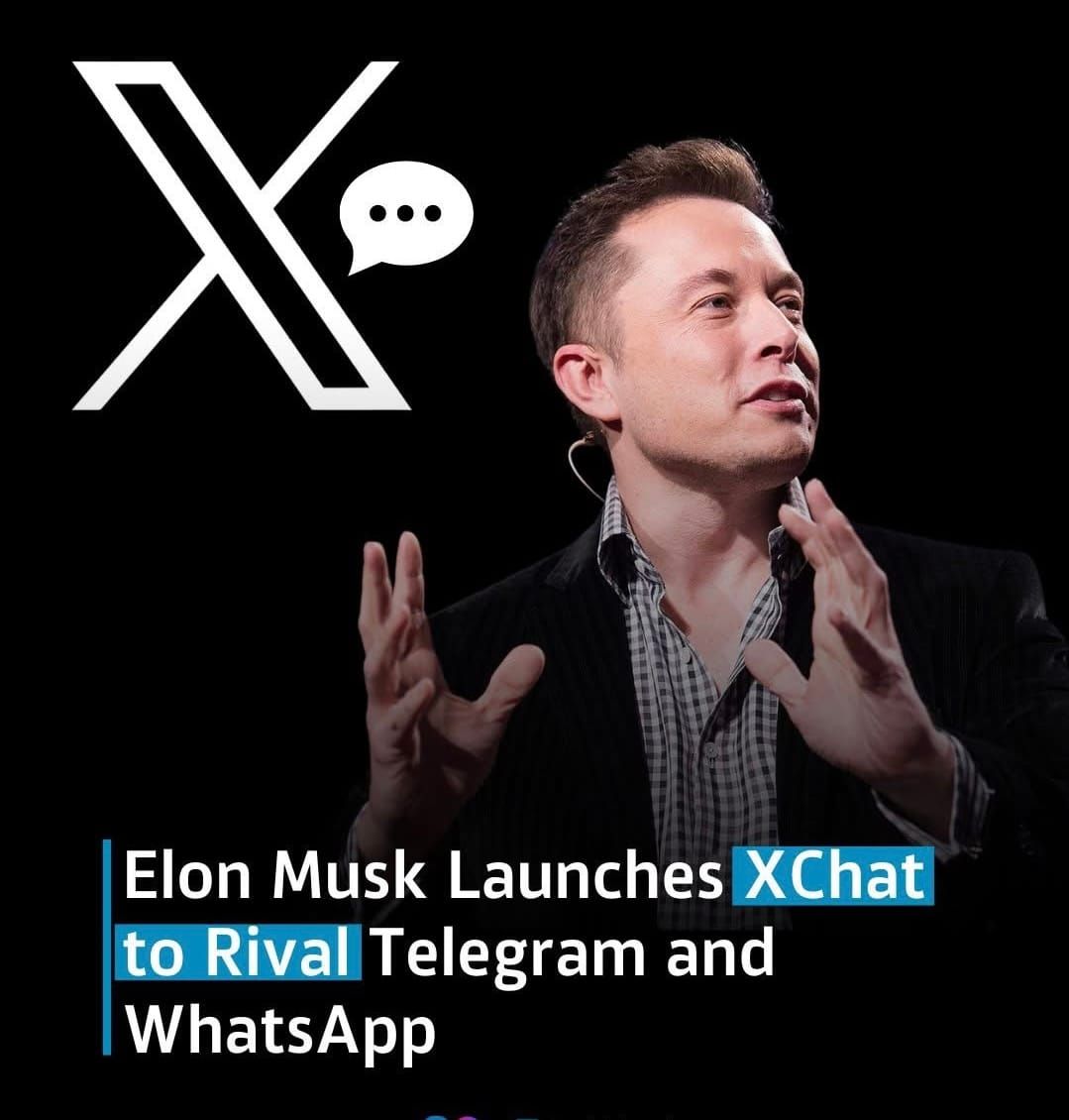
XChat is Elon Musk's answer to WhatsApp—a messaging platform that ditches phone numbers and uses AI-powered, decentralized encryption algorithms to keep your messages private. It's built on Rust (a language optimized for speed and security), supports end-to-end encryption, vanishing messages, unlimited file sharing, and audio/video calls. But here's the kicker: the encryption model is algorithm-driven in ways that traditional messaging apps aren't, which means it's either the future of secure comms or a privacy experiment that needs refinement.
"All new XChat is rolling out with encryption, vanishing messages, and the ability to send any kind of file. Also, audio/video calling." — Elon Musk
What Makes XChat's Algorithm-Driven Encryption Different?
XChat uses what Musk calls "Bitcoin-style encryption"—a decentralized, algorithm-based security model that distributes trust instead of centralizing it. Unlike WhatsApp (which uses Signal Protocol) or Telegram (which relies on proprietary MTProto), XChat's encryption is designed to leverage distributed algorithms inspired by blockchain technology.
The machine learning angle here is subtle but real: the system can theoretically adapt and optimize encryption parameters in real-time based on network conditions and threat detection. However, security researchers have flagged that this model hasn't been battle-tested like Signal Protocol has.
AI-Powered Features That Set XChat Apart
Rust-Based Architecture: Built for speed and security, Rust eliminates entire classes of vulnerabilities that plague older languages. The automation benefit? Fewer bugs, faster message delivery, and reduced server load—meaning the platform scales without manual intervention.
Vanishing Messages with Algorithmic Deletion: XChat's disappearing messages use automated deletion algorithms that purge conversations after they're read. No human oversight. No logs. The tech handles it.
No Phone Number Required: This removes data collection friction. Traditional messaging ties your identity to a phone number, which platforms can use for algorithmic targeting and profiling. XChat separates identity from contact information—a privacy win powered by better data architecture.
Unlimited File Sharing: Powered by automated compression and encryption algorithms, XChat removes file size restrictions that competitors impose. The backend automation handles optimization without user input.
How XChat's Algorithm Stacks Up Against Competitors
| Feature | XChat | Telegram | Signal | |
|---|---|---|---|---|
| End-to-End Encryption | ✅ (AI-optimized) | ✅ (Signal Protocol) | ✅ (Optional) | ✅ (Signal Protocol) |
| Vanishing Messages | ✅ (Algorithmic deletion) | ✅ | ✅ | ✅ |
| No Phone Number | ✅ | ❌ | ✅ (Optional) | ❌ |
| File Size Limits | ✅ (Unlimited) | ❌ (16MB) | ❌ (2GB) | ❌ (100MB) |
| Audio/Video Calls | ✅ | ✅ | ✅ | ✅ |
| Decentralized Algorithm | ✅ | ❌ | ❌ | ❌ |
The Automation & Data Angle: Why This Matters for the Future of Work
In enterprise settings, automated encryption and algorithm-driven security reduce friction. No IT team manually managing keys. No compliance officers auditing file transfers. The system does it.
XChat's decentralized approach also shifts power away from centralized servers, meaning Meta (which owns WhatsApp) can't mine your messaging data for algorithmic advertising. That's a massive deal for workplace privacy and data sovereignty.
Remote teams using XChat don't have to worry about metadata collection or behavioral algorithmic profiling. The system is designed to minimize data collection by design.
The Reality Check: Is XChat Production-Ready?
Not yet. Security researchers have noted that while the encryption architecture is theoretically sound, it hasn't undergone the same rigorous independent audits as Signal Protocol or WhatsApp's implementation.
The Rust-based backend is a solid engineering choice, but "new" doesn't always mean "better." Bitcoin-style encryption is novel, but novel isn't synonymous with battle-tested.
For privacy enthusiasts? Worth monitoring. For enterprise adoption? Wait for third-party security audits and independent algorithmic analysis.
What This Means for the Messaging Wars
XChat represents a shift toward algorithm-driven, decentralized security rather than traditional encryption models. It's Musk betting that privacy-conscious users will choose a platform that doesn't require personal data (like phone numbers) to function.
If it gains traction, expect WhatsApp and Telegram to respond with their own AI-optimized features. The future of secure messaging isn't about better algorithms—it's about platforms that minimize data collection and automate privacy by design.
FAQ
Q: Is XChat actually more secure than WhatsApp?
A: It's different, not necessarily better. XChat uses decentralized, algorithm-based encryption that hasn't been independently audited. WhatsApp uses the proven Signal Protocol. Both are strong, but they're designed differently.
Q: Can I use XChat for work?
A: Yes, especially if your organization values data privacy. The no-phone-number requirement and automated encryption are actually ideal for remote teams. Just wait for security audits first.
Q: What happens to my messages on XChat?
A: They're end-to-end encrypted (only you and the recipient see them), and if you enable vanishing messages, the platform's deletion algorithms automatically purge them after they're read. No storage, no logs.
Q: Why no phone number?
A: It removes a major data collection point. WhatsApp ties you to a phone number, which enables algorithmic profiling and targeting. XChat separates identity from contact info, reducing metadata collection.
Q: Is Rust really faster?
A: Yes. Rust eliminates entire categories of memory-related bugs that plague other languages. For messaging platforms, this means fewer crashes, faster message delivery, and less server overhead.
Q: Should I switch from WhatsApp now?
A: Not unless you're very privacy-conscious or part of an early adopter community. WhatsApp is mature and proven. XChat is innovative but unproven at scale.
More on AI-Driven Communication & Privacy Tech
How AI Algorithms Are Reshaping Workplace Privacy
Automation & Encryption: The Future of Enterprise Messaging
Blockchain-Based Encryption: How Decentralized Algorithms Work
Machine Learning & Cybersecurity: How AI Detects (and Prevents) Threats