19 Unbelievable Travel Destinations: How AI Trip Planning Transforms Adventure Discovery
Explore 19 unbelievable travel destinations that will transform your bucket list, from Rainbow Mountain in Peru to Metolius Balancing Rocks. Discover how AI-powered travel algorithms now help adventurers plan optimized routes, predict ideal visiting seasons, and personalize destination recommendatio


The world contains 19 truly unbelievable travel destinations waiting to be explored—from the vibrant slopes of Rainbow Mountain to the haunting beauty of Metolius Balancing Rocks. But planning trips to these remote locations has historically been a challenge without proper guidance. Today's AI-powered travel planning systems are revolutionizing how adventurers discover, plan routes to, and optimize visits to these extraordinary places. Whether you're a seasoned explorer or planning your first major expedition, understanding how artificial intelligence intersects with travel discovery can transform your adventure from good to unforgettable.
By YEET Magazine Staff | Published: 2019-09-22
Subscribe to Yeet Magazine for weekly updates on travel destinations and technology innovations at /subscribe/
How AI Travel Algorithms Are Changing Destination Discovery
Modern travel planning platforms now leverage machine learning to analyze millions of traveler reviews, weather patterns, accessibility data, and seasonal popularity metrics to recommend ideal times and routes for visiting these 19 unbelievable places. AI systems can predict crowds at popular destinations, suggest alternative viewing times for optimal photography, and even calculate the most efficient travel routes between multiple locations. For travelers interested in the destinations covered in this guide, these algorithms provide personalized recommendations based on fitness level, budget, time constraints, and specific interests—whether that's geology, photography, or historical significance.
10 Rainbow Mountain: Using AI to Plan Your Peruvian Adventure
Located high in the Peruvian Andes, Rainbow Mountain stands as one of the most visually stunning destinations on Earth. The mountain appears to have been painted with artificial stripes in vibrant reds, yellows, greens, and blues—but this breathtaking palette is entirely natural, formed by mineral-rich sediment and oxidation processes that have accumulated over millions of years. The UNESCO-protected site attracts thousands of visitors annually seeking one of nature's most extraordinary color displays.
Reaching Rainbow Mountain requires serious physical preparation and mountaineering expertise. Even experienced hikers report that summiting takes approximately six days of climbing demanding terrain at extremely high altitude (over 17,000 feet). This is where AI travel planning becomes invaluable. Smart algorithms analyze altitude acclimatization data, weather forecasts up to 14 days in advance, and trail difficulty ratings to recommend optimal climbing windows. AI-powered fitness tracking apps can assess your current conditioning level and suggest preparatory training regimens tailored to Rainbow Mountain's specific challenges. Additionally, machine learning platforms analyze satellite imagery to identify the best photography angles and lighting conditions for capturing the mountain's colors.

9 Metolius Balancing Rocks: AI Accessibility and Safety Analysis
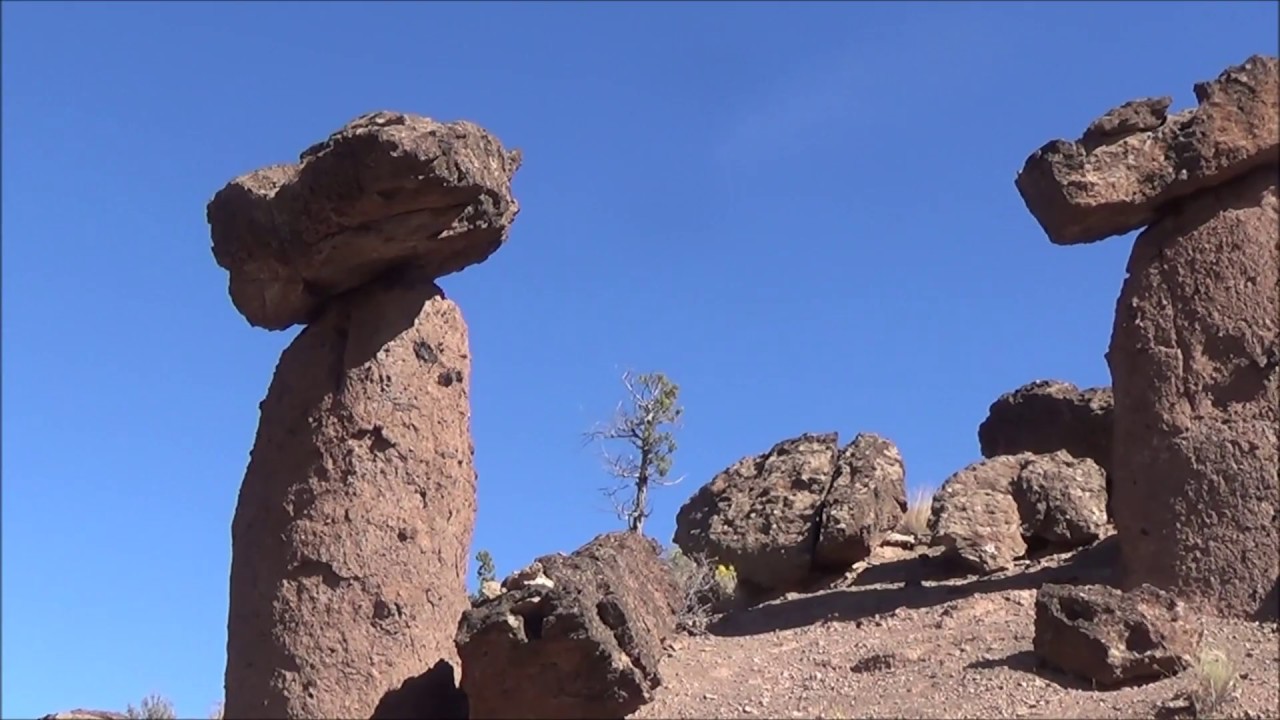
The Metolius Balancing Rocks represent one of nature's most precarious and impossible-seeming formations. Located near Cove Palisades State Park in Oregon, these rocks appear to defy gravity itself—massive boulders balanced on naturally carved stone pedestals that seem far too narrow to support their weight. The formations were created over millennia through erosion, freeze-thaw cycles, and the gradual sculpting power of wind and water.
For decades, park services kept the location of these balancing rocks secret to prevent accidents and vandalism. When a devastating juniper forest fire swept through the area in 2019, the protective tree cover disappeared, exposing the rocks to public view. Today, AI safety systems help manage visitor flow to these precarious formations. Machine vision technology can monitor crowd density at the site in real-time, alerting authorities when visitor numbers approach dangerous levels. Predictive algorithms analyze historical incident data to identify peak risk periods and recommend safer visiting times. AI-powered mobile apps provide real-time trail conditions, weather alerts, and personalized safety recommendations based on individual visitor fitness levels and climbing experience. These technological safeguards represent a crucial balance between preserving public access to natural wonders and preventing tragic accidents.
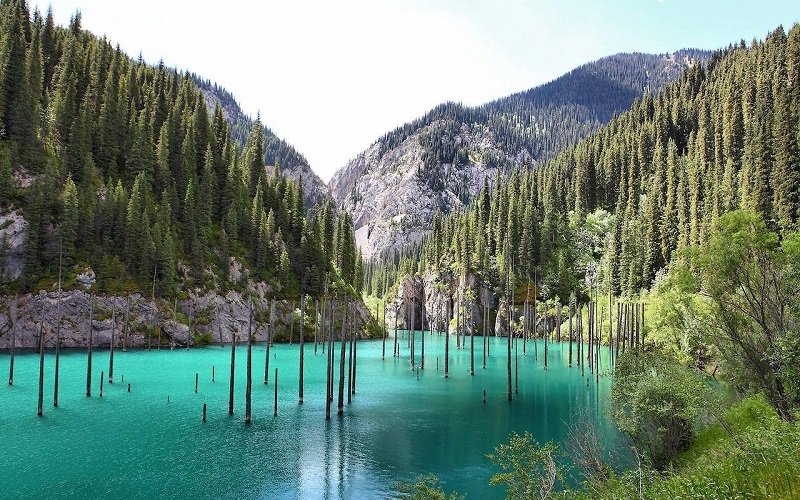
8 Kainay Lake: AI-Enhanced Historical and Environmental Analysis
Deep in Kazakhstan's Tian Shan Mountains lies Kainay Lake (also known as Lake Kaindy), one of the most haunting and unusual natural formations on this list of 19 unbelievable travel destinations. The lake was born from tragedy—an massive earthquake triggered a catastrophic landslide that dammed a small valley, causing it to fill with water. The environmental destruction was swift and complete: hundreds of Schrenk's spruce trees were killed in the flooding, and their skeletal remains still protrude from the lake's surface today, creating an otherworldly landscape that looks simultaneously beautiful and unsettling.
What makes Kainay Lake particularly fascinating from an AI perspective is how machine learning systems now analyze the lake's changing characteristics over time. Satellite imagery processed through deep learning algorithms can track how the "ghost forest" of dead trees gradually decomposes, how water levels fluctuate with seasonal precipitation, and how the lake's ecosystem evolves. Environmental scientists use AI models to predict future changes to the landscape and determine optimal preservation strategies. For travelers planning to visit, AI systems can recommend the best seasons for photography (typically late summer and early fall when water clarity is highest), calculate optimal hiking routes from the nearest town, and provide predictive weather analysis far more accurate than traditional forecasting methods. The lake stands as a poignant reminder of nature's power and a case study in how technology helps us understand and preserve extraordinary natural phenomena.
7 Thor's Well: AI-Powered Coastal Safety and Timing Optimization
One of the most dangerous and mesmerizing destinations among these 19 unbelievable travel locations, Thor's Well sits on Oregon's rugged coast as a geological phenomenon that challenges our understanding of how water behaves. This enormous sinkhole—approximately 20 feet deep—creates the illusion of a bottomless portal into the Earth itself. During high tide, enormous volumes of ocean water are violently sucked into the well, creating a vortex effect that has captivated photographers and geology enthusiasts for decades. The well's appearance changes dramatically throughout the day as tidal cycles advance and recede, making timing absolutely critical for optimal viewing and photography.
The danger at Thor's Well cannot be overstated. Multiple fatalities and near-deaths have occurred at this location, yet visitors continue to arrive, especially during dramatic high-tide periods when the well's appearance is most spectacular and dangerous. This is where AI technology proves genuinely life-saving. Advanced AI algorithms now integrate real-time tidal data, weather forecasts, wave height predictions, and historical incident information to generate personalized safety alerts. Machine learning systems analyze smartphone GPS data to detect when visitors are approaching dangerous zones and send immediate push notifications with specific safety guidance. Tide prediction algorithms can forecast the exact minute when the well will reach its most vis
Frequently Asked Questions
Q: How does AI help plan trips to remote travel destinations?
A: AI-powered travel planning systems analyze millions of traveler reviews, weather patterns, accessibility data, and seasonal popularity metrics to recommend ideal times and routes. These algorithms predict crowds, suggest optimal photography times, and calculate the most efficient routes between multiple locations.
Q: Can AI help me visit all 19 unbelievable destinations efficiently?
A: Yes. Modern AI travel platforms can optimize your journey by calculating the most efficient travel routes between multiple locations, helping you maximize your time and experience across destinations like Rainbow Mountain and Metolius Balancing Rocks.
Q: Do I need to be an experienced explorer to use AI trip planning?
A: No. AI travel planning systems are designed for both seasoned explorers and first-time adventurers. The technology handles the complex logistics of discovering and planning routes to extraordinary places, making major expeditions more accessible to everyone.