
5.0 Earthquake Near Los Angeles Today: Where It Hit, Damage Reports and Aftershocks
A magnitude 5.0 earthquake shook Southern California on November 28, 2026, with the epicenter offshore near Manhattan Beach. Here's what we know about the location, shaking, damage reports, emergency response and aftershocks.

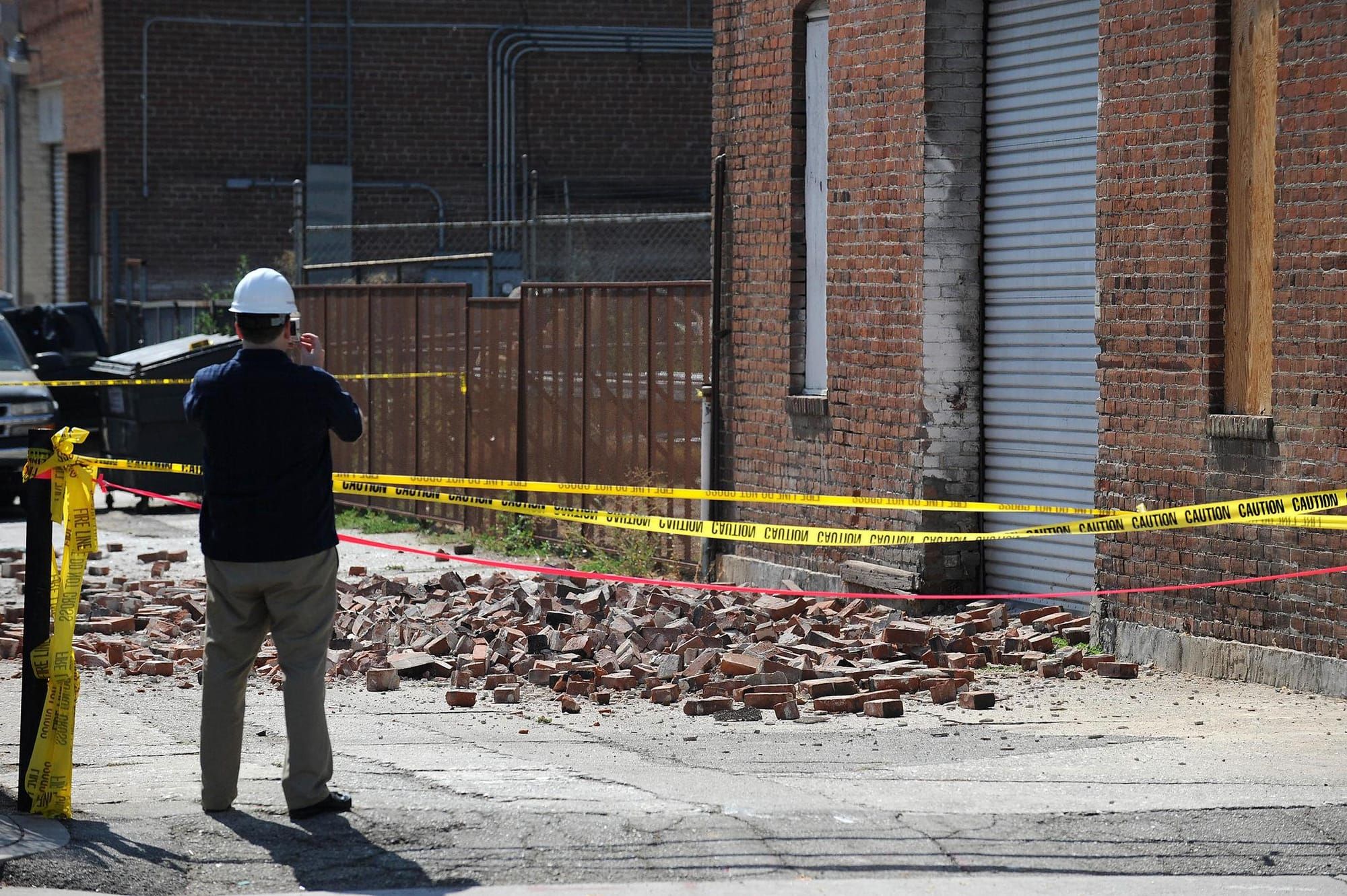
5.0 Earthquake Shakes Los Angeles Near Manhattan Beach: What We Know
A magnitude 5.0 earthquake struck near Los Angeles on Saturday morning, November 28, shaking communities across Southern California and triggering emergency alerts on mobile phones. The earthquake hit at approximately 9:30 a.m. Pacific time, with its epicenter located about 6 kilometers west-southwest of Manhattan Beach. The shaking was strong enough to rattle homes, knock objects from shelves and send residents checking for updates. Initial reports indicated no major damage or injuries, while emergency crews began checking infrastructure across the region.
The earthquake was initially reported at a lower magnitude before the official measurement was updated to 5.0. The USGS and the Southern California Seismic Network recorded the event at a depth of approximately 12.23 kilometers.
For residents in the Los Angeles area, the morning jolt was a reminder that California remains one of the most earthquake-prone parts of the United States.

Where Did the 5.0 Earthquake Strike in California?
The epicenter was located approximately 6 kilometers west-southwest of Manhattan Beach, California, along the Los Angeles County coastline.
Nearby communities include Hermosa Beach, Redondo Beach, El Segundo and Torrance. Los Angeles itself is roughly 30 kilometers northeast of the epicenter.
According to the USGS event record, the earthquake occurred at 9:30:29 a.m. Pacific time on November 28, 2026. Its recorded depth was 12.23 kilometers.

5.0 Earthquake: Key Facts
- Date: Saturday, November 28, 2026
- Time: 9:30 a.m. Pacific time
- Magnitude: 5.0
- Epicenter: 6 km west-southwest of Manhattan Beach, California
- Depth: 12.23 km
- Region: Los Angeles County, Southern California
- Initial impact: Shaking reported across the region
- Immediate damage reports: No major damage or injuries initially reported
Residents Feel Strong Shaking Across the Los Angeles Area
The earthquake was felt across communities near the epicenter. Residents described sudden shaking inside their homes, with dishes and other household objects moving or falling from shelves.
Mobile phones also issued earthquake alerts, giving people across the region a warning that shaking was occurring or expected.
In Lomita, resident Teresa Macias told the Associated Press that the movement of her home frightened her dog and sent decorated bottles tumbling. She said she continued feeling smaller tremors after the initial earthquake.
Although a magnitude 5.0 earthquake is not generally associated with the widespread destruction of a much larger event, the impact depends on depth, distance, ground conditions and the vulnerability of buildings.
Los Angeles Fire Department Activates Earthquake Response
The Los Angeles Fire Department activated its earthquake response following the shaking. Personnel from all 106 neighborhood fire stations were assigned to survey their districts, checking infrastructure and locations of potential concern.
Officials initially reported no injuries or structural damage within the city of Los Angeles. Emergency assessments are important after an earthquake because damage may not be immediately visible, particularly around older buildings, roads, utility systems and other infrastructure.

Authorities and local officials also urged residents to remain alert for aftershocks. Manhattan Beach officials said there was no tsunami threat associated with this event.
Could More Earthquakes Hit After the 5.0 Tremor?
Yes. Smaller earthquakes, known as aftershocks, can follow a larger earthquake. They may occur within minutes, hours or days and can sometimes continue for longer.
Aftershocks are not automatically a sign that a larger earthquake is coming. Scientists cannot reliably predict the exact time, location or magnitude of a future earthquake. Residents should nevertheless remain prepared and follow official local alerts.
People should also avoid entering visibly damaged buildings until authorities or qualified professionals have determined that they are safe.
What Should You Do During an Earthquake?
Earthquake safety authorities recommend a simple action: Drop, Cover and Hold On. The goal is to protect yourself from falling objects, broken glass and other hazards during the shaking.
- Drop: Get down onto your hands and knees before the shaking knocks you over.
- Cover: Protect your head and neck beneath a sturdy table or desk. If no shelter is nearby, move close to an interior wall and cover your head.
- Hold On: Stay under your shelter and hold on until the shaking stops.
If you are indoors, stay indoors during the shaking rather than running outside. Stay away from windows, glass and heavy objects that could fall. If you are outside, move away from buildings, power lines and other hazards.
After the shaking stops, check for injuries, watch for damaged utilities and follow emergency instructions. If a building appears damaged, leave carefully and do not go back inside until it has been assessed.
For official safety guidance, read the CDC's earthquake safety instructions and the American Red Cross earthquake preparedness guide.
Emergency Preparedness: What Should Every Household Have?
The Los Angeles earthquake is another reminder that emergency supplies are worth preparing before a disaster happens. A household emergency kit can help people manage if electricity, water, transport or access to shops is disrupted.
Emergency preparedness guidance recommends keeping essential supplies available, including:
- Drinking water and food for several days
- A first aid kit and necessary medication
- A flashlight and spare batteries
- A battery-powered or hand-crank radio
- Phone charging equipment and backup power
- Sturdy shoes and work gloves
- Copies of important documents and emergency contact information
- Basic supplies for children, older adults and pets
Families can also prepare a communication plan and decide where to meet if household members become separated. The CDC earthquake preparedness guide provides additional advice on securing furniture, preparing supplies and reducing household risks.

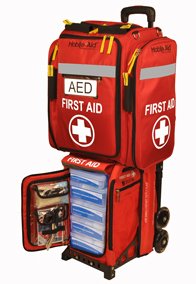
MobileAid Emergency Response Station
A trauma first aid and emergency equipment station for households, workplaces and preparedness planning.
Shop Emergency First Aid Equipment →Why Earthquake Preparedness Matters in California
California sits along an active tectonic boundary where the Pacific Plate and North American Plate move relative to one another. That movement creates stress along faults and contributes to the state's earthquake activity.
The region has experienced destructive earthquakes throughout its history. While the November 28 event did not produce the level of damage associated with major disasters, even moderate earthquakes can expose weaknesses in buildings, infrastructure and household preparedness.
For more context on how communities respond to major seismic events, read our previous report: 7.2-Magnitude Earthquake Strikes Near Mexico City: Damage, Response and What Residents Experienced.

Emergency Go-Bag and Evacuation Supplies
A ready-to-carry emergency bag can help keep essential supplies together if your household needs to leave quickly.
Shop Emergency Bags →Disaster Preparedness Kits
Explore emergency kits, first aid supplies and disaster preparedness equipment for your household.
Shop All Emergency Supplies →What Happens Next?
Authorities will continue monitoring seismic activity and assessing the effects of the earthquake. The USGS event record may also be updated as additional measurements and reports become available.
For residents, the immediate priorities are to remain alert for aftershocks, check their surroundings for hazards and follow instructions from local emergency services.
The magnitude 5.0 earthquake was a significant reminder of Southern California's seismic risk. While initial reports offered reassurance that no major damage or injuries had been identified, preparedness remains essential.
FAQ: Los Angeles Earthquake November 28, 2026
Q: Was there an earthquake in Los Angeles today?
A: Yes. A magnitude 5.0 earthquake struck near Manhattan Beach at approximately 9:30 a.m. Pacific time on November 28, 2026.
Q: How strong was the Los Angeles earthquake?
A: The earthquake was measured at magnitude 5.0 after its initial measurement was revised.
Q: Where was the earthquake's epicenter?
A: The epicenter was approximately 6 kilometers west-southwest of Manhattan Beach, California.
Q: Was there damage or were people injured?
A: Initial reports indicated no injuries or structural damage in Los Angeles. Emergency assessments continued after the event.
Q: Were there aftershocks?
A: Smaller earthquakes were recorded in the area after the main event. More aftershocks are possible.
Q: Was there a tsunami warning?
A: Manhattan Beach officials said there was no tsunami threat associated with this earthquake.
Q: What should people do during an earthquake?
A: Drop, Cover and Hold On. Protect your head and neck and stay under sturdy furniture until the shaking stops.
Q: Can another earthquake happen after a magnitude 5.0 earthquake?
A: Yes. Aftershocks can follow an earthquake, but scientists cannot predict their exact timing or magnitude.
Q: How can families prepare for another earthquake?
A: Keep emergency supplies, secure heavy furniture, prepare a family communication plan and practice earthquake safety procedures.
What Do You Think?
Did you feel the earthquake in Southern California? Were you in Los Angeles, Manhattan Beach or another nearby community when the shaking started? Share your experience in the comments.
Follow YEET Magazine for more breaking news, international headlines and developing stories.
Explore Topics
Los Angeles Earthquake California Earthquake Manhattan Beach Southern California USGS Earthquake Aftershocks Earthquake Safety Disaster Preparedness Emergency Response Emergency Kit Breaking News California News Earthquake Today What Caused the Los Angeles Earthquake? Where Did the California Earthquake Hit? Was There Damage After the Los Angeles Earthquake? Will There Be Aftershocks in California? Is There a Tsunami Warning for California? How Do You Stay Safe During an Earthquake? How Can You Prepare for an Earthquake?As an Amazon Associate, YEET Magazine earns from qualifying purchases.