
After the Los Angeles 5.0 Earthquake: 7 Things Every Household Should Check
After an earthquake, knowing what to check at home matters. Here are seven practical safety steps for Los Angeles households after the 5.0 tremor.

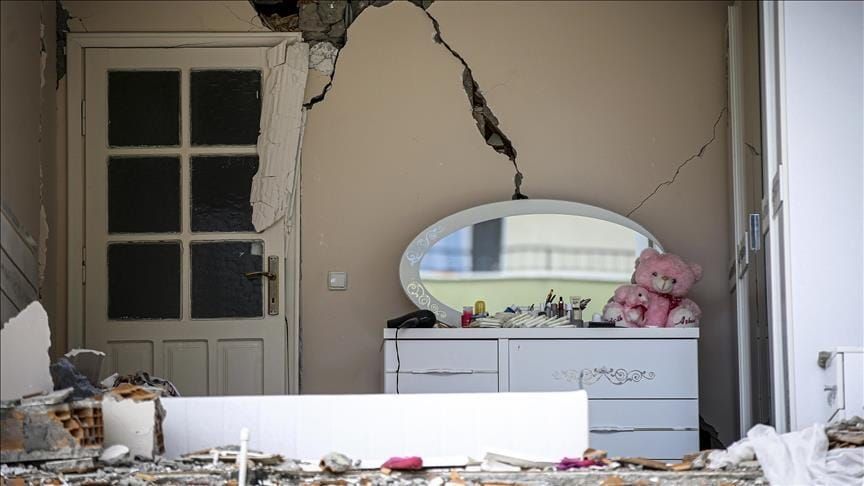
YEET Magazine — Los Angeles Earthquake Coverage
After the Los Angeles 5.0 Earthquake: 7 Things Every Household Should Check
When an earthquake stops, the next few minutes matter. Even when there is no confirmed report of major damage, households should check their surroundings, look for hazards and make sure everyone knows what to do if another tremor occurs.
The November 28 magnitude 5.0 earthquake near Los Angeles is a reminder that emergency preparedness is not just for major disasters. A practical household safety check can help people respond more confidently after shaking.
But checking a home after an earthquake involves more than looking for cracks. Gas leaks, damaged electrical wiring, broken glass, unstable furniture and falling objects can create serious risks even after the ground has stopped moving.
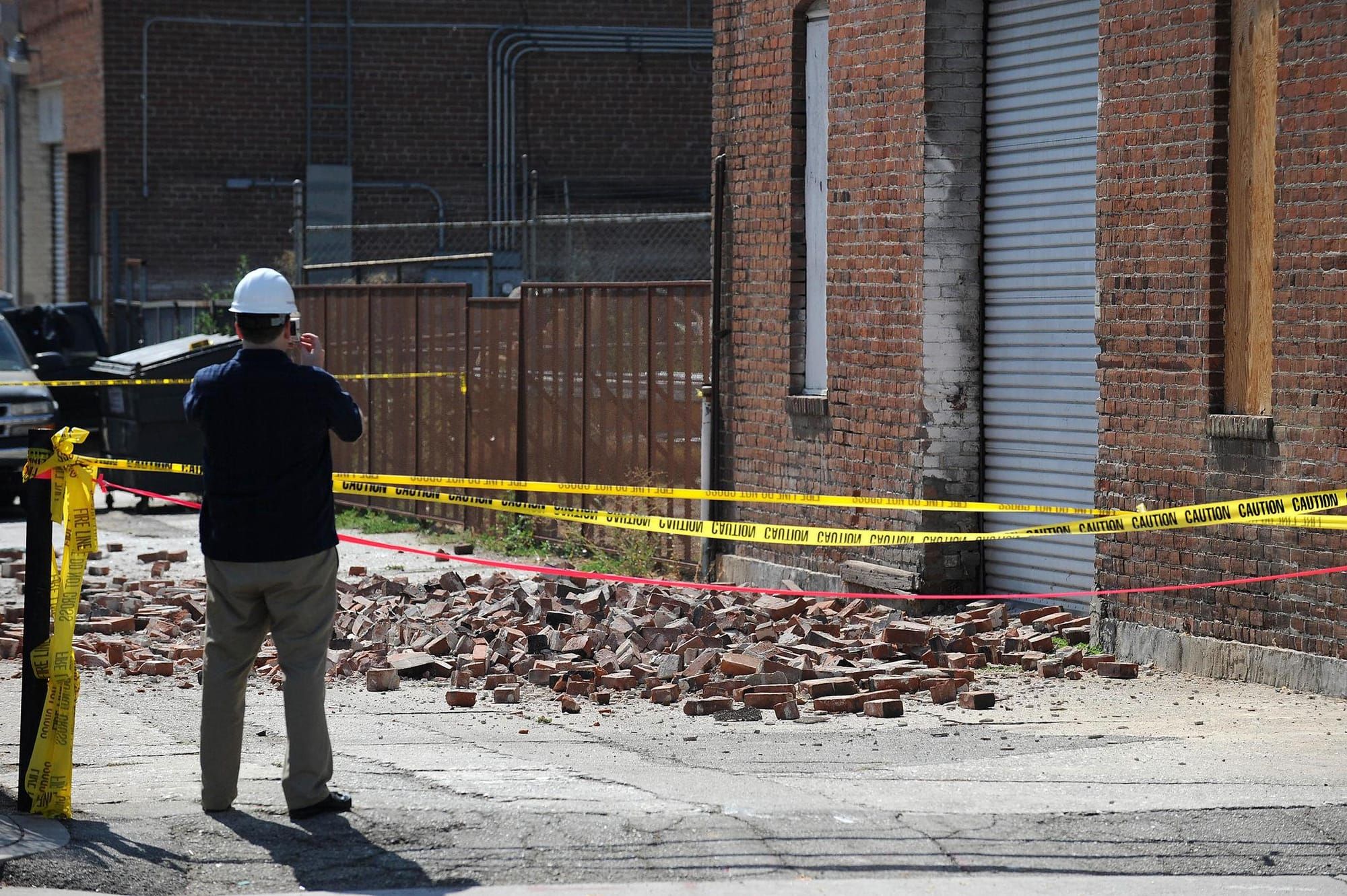
Seven Things to Check After an Earthquake
1. Check Everyone in the Household
Start by checking yourself and everyone around you. Look for cuts, bleeding, bruises and signs of more serious injuries. Give basic first aid if you are able, and contact emergency services for serious injuries.
Do not move someone with a potentially serious injury unless they are in immediate danger from another hazard. Check on children, older adults, neighbours and anyone who may need assistance.
2. Look for Structural Damage
Inspect the areas around your home carefully. Look for new or widening cracks in walls, ceilings, foundations and chimneys. Check staircases, doors and windows for signs that the building may have shifted or become unstable.
Pay particular attention to damaged support structures, leaning walls, sagging ceilings and unusual sounds such as shifting or cracking. If the building appears unsafe, leave carefully and move away from it.
Do not re-enter a visibly damaged building until local authorities or qualified professionals have determined that it is safe. Damage is not always obvious from the outside.
3. Watch for Gas Leaks
A gas leak is one of the most urgent hazards to check after an earthquake. A damaged gas line can create a fire or explosion risk.
If you smell gas, hear hissing or suspect a damaged gas line, leave the building immediately. Do not light matches, use appliances or operate electrical switches. Contact emergency services or the gas provider from a safe location.
Only shut off the main gas supply if you can do so safely and know how. Once the gas has been shut off, do not turn it back on yourself. A qualified utility professional should check the system and restore service.
4. Check for Electrical and Water Hazards
Look for damaged wiring, exposed electrical components, fallen power lines and water leaking near electrical equipment. Never touch a downed power line or anything in contact with one, even if it appears inactive.
If you see damaged wiring or suspect an electrical fault, keep away and contact the appropriate utility provider. If water pipes have broken, follow local instructions and shut off the supply only if it is safe to do so.
Do not use electrical equipment in wet areas or near damaged wiring. If the electricity is out, use a flashlight rather than candles whenever possible.
5. Clear Broken Glass and Watch for Falling Objects
Broken glass, fallen picture frames, damaged shelves and objects that have shifted during the shaking can cause injuries. Put on sturdy shoes before walking through rooms where objects may have fallen.
Open cupboards and closets carefully. Items that shifted during the earthquake may fall when doors are opened. Avoid touching damaged materials unnecessarily, and keep children and pets away from hazardous areas.

6. Check Emergency Supplies and Essential Items
Make sure your household can access basic supplies if another earthquake disrupts electricity, water, transport or access to shops. Check drinking water, non-perishable food, first-aid supplies, essential medication and phone charging equipment.
A practical emergency kit should include:
- Drinking water and non-perishable food
- A first-aid kit and essential medication
- A flashlight and spare batteries
- A battery-powered or hand-crank radio
- A phone power bank and charging cables
- Sturdy shoes and protective gloves
- Copies of important documents and emergency contacts
- Supplies for children, older adults and pets
Check food and water for possible contamination, especially if containers were open or damaged during the shaking. Follow local health and utility instructions if water service has been disrupted.

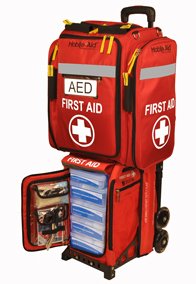 MobileAid Emergency Response Station
7. Monitor Official Earthquake and Emergency Updates
Continue checking official information after the initial earthquake. Authorities may issue updates about aftershocks, road closures, damaged infrastructure, utility interruptions or other local hazards.
Use trusted sources such as the U.S. Geological Survey (USGS), local emergency management agencies and the Centers for Disease Control and Prevention (CDC).
Do not rely on unverified social media posts or rumours when making safety decisions. Follow instructions from emergency officials, especially if they advise residents to evacuate or avoid a particular area.
What If Another Tremor Happens?
Aftershocks can follow an earthquake and may occur minutes, days or even weeks later. If shaking starts again, remember the recommended safety action: Drop, Cover and Hold On.
- Drop: Get down onto your hands and knees before the shaking knocks you over.
- Cover: Protect your head and neck beneath a sturdy table or desk. If no shelter is nearby, move away from windows and cover your head and neck with your arms.
- Hold On: Stay under your shelter and hold on until the shaking stops.
If you are indoors, do not rush outside while the ground is moving. If you are outside, move away from buildings, power lines and other objects that could fall.
Read the CDC's official earthquake safety instructions for more information about protecting yourself during an aftershock.
Preparedness Starts Before the Next Earthquake
The safest time to prepare for an earthquake is before one happens. Households can reduce potential injuries by securing heavy furniture, anchoring bookcases, moving heavy objects to lower shelves and identifying safer places in each room.
Families should also agree on a communication plan. Decide where household members will meet if they become separated, identify an out-of-area contact and make sure everyone knows where emergency supplies are stored.
For additional preparedness advice, read the CDC earthquake preparedness guide.
 Emergency Go-Bag and Evacuation Supplies
The Los Angeles earthquake is a reminder that even a moderate tremor can expose risks inside a home. A few simple checks, reliable information and a properly prepared emergency kit can help households respond more safely.
For the earthquake's epicenter, initial damage reports and emergency response, read the full YEET Magazine Los Angeles earthquake report.
For more context on earthquake response and preparedness, read our report on the 7.2-magnitude earthquake near Mexico City and our coverage of emergency food supplies and household preparedness.
Frequently Asked Questions About What to Check After an Earthquake
What should you check first after an earthquake?
Check yourself and others for injuries first. Then look for immediate hazards such as fire, gas leaks, damaged electrical wiring, broken glass and structural damage.
How do you know if your house is safe after an earthquake?
Look for new structural cracks, damaged foundations, leaning walls, sagging ceilings and unusual shifting sounds. If the building appears damaged or unsafe, leave and wait for an official or qualified professional assessment before re-entering.
What should you do if you smell gas after an earthquake?
Leave the building immediately. Do not use electrical switches, appliances, matches or flames. Contact emergency services or your gas provider from a safe location and do not return until the area has been declared safe.
Can aftershocks happen days after an earthquake?
Yes. Aftershocks can occur minutes, days, weeks or sometimes months after the main earthquake. Be prepared to Drop, Cover and Hold On if shaking returns.
Should you go outside immediately after an earthquake?
Not automatically. Once the shaking stops, leave if the building appears damaged or authorities instruct you to evacuate. Move carefully and stay away from damaged structures, falling debris and power lines.
What should be in an earthquake emergency kit?
Include drinking water, non-perishable food, a first-aid kit, essential medication, a flashlight, spare batteries, a radio, phone charging equipment, sturdy shoes and important household documents.
Where can you find official earthquake safety information?
The USGS, CDC, California emergency authorities and local emergency services provide trusted earthquake safety information and instructions.
Explore Topics
Los Angeles 5.0 Earthquake California Earthquake Earthquake Safety Disaster Preparedness Emergency Kit Earthquake Aftershocks Household Safety Emergency Response What Should You Check After an Earthquake? How Do You Know If Your House Is Safe After an Earthquake? What Should You Do If You Smell Gas After an Earthquake? Can Aftershocks Happen Days After an Earthquake? Should You Go Outside After an Earthquake? What Should Be in an Earthquake Emergency Kit? Where Can You Find Official Earthquake Safety Information?Sources: U.S. Geological Survey — What to Do After an Earthquake; CDC — Safety Guidelines After an Earthquake; California Department of Public Health — After an Earthquake; YEET Magazine reporting.
As an Amazon Associate, YEET Magazine earns from qualifying purchases.