
German Chancellor Friedrich Merz Wants Everyone Stash-Prepping Emergency Food Supplies for Real Crises
According to official BBK emergency framework guidelines, German disaster experts recommend that every single household stocks up a 10-day survival pantry per person.

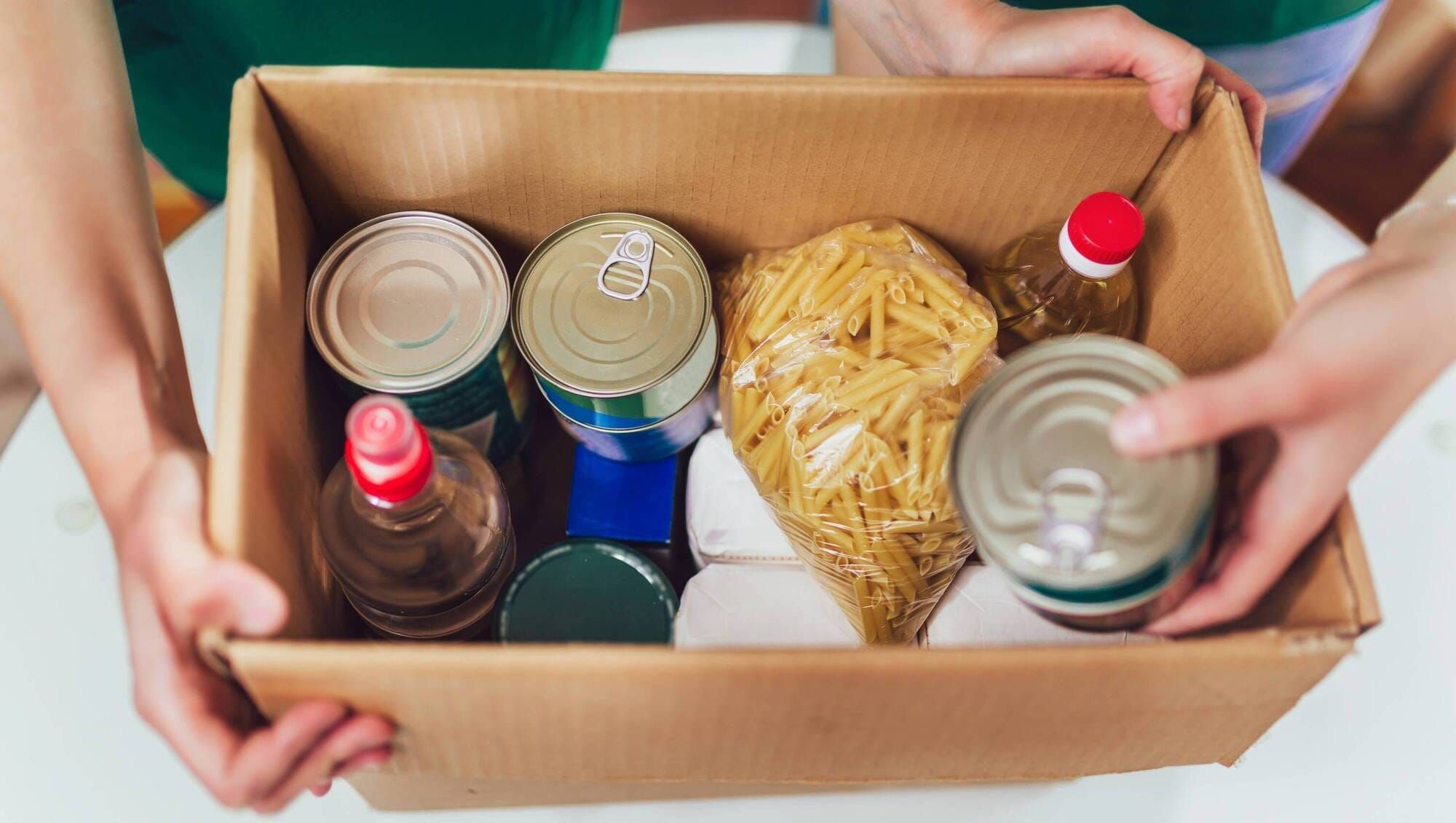
German Chancellor Friedrich Merz Wants Everyone Stash-Prepping Emergency Food Supplies for Real Crises
Germany is quietly completely shifting how it handles disaster readiness, and Chancellor Friedrich Merz is making sure nobody sleeps on it. Following fresh warnings from the Federal Office of Civil Protection and Disaster Assistance (BBK) and Federal Minister of Food and Agriculture Cem Özdemir, German leaders are telling citizens and EU allies that keeping a real emergency food stash at home is just as crucial as building up national military defenses.
For more on how families across Europe are handling everyday stress, check out our guide on how living standards really hold up across the continent and our breakdown of how Europe handles massive supply chain risks.
What the Emergency Pantry Setup Actually Looks Like
According to official BBK emergency framework guidelines, German disaster experts recommend that every single household stocks up a 10-day survival pantry per person. BBK Director Ralph Tiesler says the ideal emergency stash includes 20 liters of bottled water, 4 kilograms of dried beans and canned lentils, 3.5 kilograms of rice and pasta, and 2.5 kilograms of canned veggies, nuts, and preserved fruit.
The government is also ditching old-school Cold War habits. Instead of keeping massive silos of raw grain that take hours to cook, state officials spend millions maintaining government reserves packed with ready-to-eat canned meals, split peas, and short-grain rice. That way, if a blackout, cyberattack, or supply chain block hits, people can eat instantly without needing power or gas stoves.
To see how other countries prepare for sudden shortages, check out our report on how European nations protect their essential resources.
Who is Involved in the Food Readiness Movement
The push to get everyday citizens and stores ready involves key leaders across politics, retail, and emergency management:
- Friedrich Merz (German Chancellor backing national resilience and supply safety)
- Cem Özdemir (Federal Minister of Food and Agriculture overseeing food security)
- Ralph Tiesler (President of the Federal Office of Civil Protection and Disaster Assistance / BBK)
- Hadja Lahbib (European Commissioner for Crisis Management pushing EU-wide preparedness)
- Ursula von der Leyen (European Commission President coordinating European supply safety)
- Alexander von Preen (President of the German Retail Federation / HDE)
- Key Groups & Agencies: BBK, Federal Ministry of Food and Agriculture (BMEL), German Retail Federation (HDE), European Commission, and major grocery chains like Aldi, Lidl, and Edeka.
Essential Reading: Emergency Food Supplies & Home Readiness
Learn how to build a 30-day emergency pantry, store long-term food, and keep your household safe during power grid failures.
Price: $24.99
Shop Now on Amazon →