
Why Did Phones Send Earthquake Alerts During the Los Angeles 5.0 Quake?
Earthquake alerts can reach phones before strong shaking arrives. Here's how early warning systems work and what Los Angeles residents should know.

YEET Magazine — Los Angeles Earthquake Coverage
Why Did Phones Send Earthquake Alerts During the Los Angeles 5.0 Quake? How Early Warning Works
Phones across the Los Angeles region received earthquake alerts during the November 28, 2026 magnitude 5.0 tremor near Manhattan Beach. But how do these warnings work, why do some people receive them before shaking begins, and what should you do when an emergency notification appears on your screen?
Earthquake alerts can be startling, especially when a phone suddenly sounds an emergency warning. But these notifications serve an important purpose: they can give people a few seconds to protect themselves before stronger shaking arrives.
The magnitude 5.0 earthquake near Los Angeles on November 28, 2026, brought renewed attention to earthquake early-warning systems across Southern California. The earthquake occurred at approximately 9:30 a.m. Pacific time, with its epicenter offshore near Manhattan Beach.
As residents reported shaking across the region, mobile notifications reminded people that earthquake warning systems can operate within seconds of seismic activity being detected.
But there is an important distinction: these alerts do not predict earthquakes before they happen. They detect an earthquake that has already started and attempt to warn people who may experience shaking.
Here is how the technology works, why alerts arrive at different times and what residents should do when their phones send an earthquake warning.

Why Did Phones Send Earthquake Alerts During the Los Angeles 5.0 Quake?
Earthquake alerts are generated when monitoring systems detect seismic activity and estimate that shaking may reach nearby communities.
In California, earthquake early-warning technology uses information from seismic sensors to identify an earthquake and estimate its potential impact. That information can then be distributed through participating alert systems and mobile devices.
The purpose is to give people an opportunity to take protective action before stronger shaking reaches their location, when there is enough time for a warning to arrive.
For the November 28 event, the earthquake occurred offshore near Manhattan Beach. Its effects were felt across a wider part of the Los Angeles region.
Read our complete event coverage: 5.0 Earthquake Near Los Angeles Today: Where It Hit, Damage Reports and Aftershocks.
How Does Earthquake Early Warning Technology Work?
Earthquake early-warning systems rely on networks of seismic instruments installed across earthquake-prone regions.
When an earthquake begins, it generates different types of seismic waves that travel through the Earth. Sensors detect the first arriving waves and transmit information to processing systems.
Computer algorithms rapidly estimate the earthquake's location, magnitude and the areas that may experience shaking. If the system determines that a location could experience significant movement, it can send an alert.
The process is designed to happen quickly. The difference between the arrival of the first seismic waves and the stronger shaking that may follow can create a short window for people to respond.
Step 1: Sensors Detect the First Seismic Waves
When a fault moves, seismic energy travels outward through the ground. Monitoring instruments detect the initial waves and send measurements to the earthquake warning network.
Step 2: Computers Estimate the Earthquake
Software processes the incoming measurements to estimate where the earthquake began and how strong the shaking could become in surrounding areas.
Step 3: Alerts Are Distributed
If the system identifies areas that may experience significant shaking, warnings can be distributed through participating channels, including mobile devices.
Step 4: People Take Protective Action
Residents who receive an alert may have time to move away from hazards, take cover or protect themselves before stronger shaking arrives.
Why Can an Earthquake Alert Arrive Before the Shaking?
Seismic waves travel through the ground. Digital information can travel much faster than the waves themselves, allowing warning systems to send a notification to some locations before stronger shaking reaches them.
The amount of warning time depends on several factors, including the distance from the earthquake, the depth of the event, the location of monitoring sensors and the time needed to process and deliver the alert.
People farther from the epicenter may have a longer opportunity to receive a warning before stronger shaking arrives. Those closest to the earthquake may receive very little warning or none at all.
This is why an alert can arrive before shaking in one neighbourhood but appear after movement has already started somewhere else.
Why Did Some People Receive an Alert After the Earthquake Had Already Started?
Earthquake early-warning systems are not instantaneous. Sensors must first detect seismic activity, computers must process the information and the notification must reach a mobile device.
All of this takes time. If someone is very close to the epicenter, the shaking may arrive before the alert can be delivered.
Other factors can also affect delivery, including mobile network conditions, device settings, connectivity and the alert system being used.
Receiving an alert after feeling shaking does not necessarily mean that the system malfunctioned. It may simply mean that the earthquake's waves reached that location before the notification did.

Does an Earthquake Alert Mean a Bigger Earthquake Is Coming?
No. An earthquake alert does not mean that a larger earthquake is expected.
The warning is based on seismic activity that has already begun. It is intended to give people time to respond to possible shaking from that event.
It does not establish that another earthquake will follow, nor does it predict that a stronger tremor is imminent.
Aftershocks can occur after an earthquake, but their timing and magnitude cannot be predicted precisely. Residents should follow scientific updates and emergency guidance rather than assume that an alert signals a future major earthquake.
For a closer look at the possibility of further seismic activity, read: Could More Earthquakes Follow the Los Angeles 5.0 Tremor? What Aftershocks Mean.
Which Earthquake Alert Systems Are Used in California?
California residents may receive earthquake warnings through different systems and communication channels.
MyShake
MyShake is an earthquake early-warning application developed through the University of California, Berkeley, and the California earthquake early-warning programme. It can provide earthquake notifications to users in participating areas.
Residents can learn more through the official MyShake website.
Wireless Emergency Alerts
Wireless Emergency Alerts, commonly known as WEAs, are government-authorised emergency notifications distributed to compatible mobile devices in designated areas.
These alerts can communicate urgent public safety information, including certain earthquake warnings where supported by the relevant systems.
More information is available from the Ready.gov emergency alerts guide.
Android Earthquake Alerts
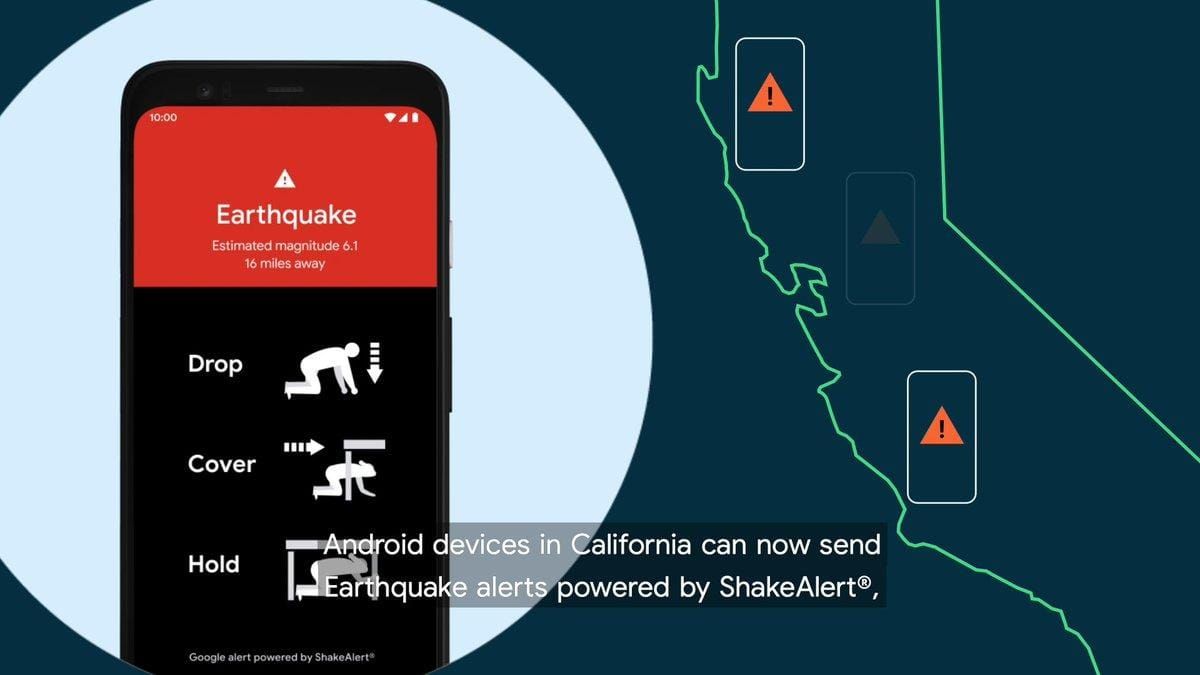
Compatible Android devices may receive earthquake notifications through Google's earthquake alert system in supported locations.
The system uses information from device networks and seismic monitoring to identify potential earthquake shaking and distribute warnings.
Google provides information about the technology through its Crisis Response resources.
iPhone Emergency Notifications
iPhone users may receive government emergency notifications when their device, network and location support the relevant alert service. The exact notifications available depend on local authorities and device settings.
Apple provides instructions for managing emergency alerts in its official support resources.
What Should You Do When Your Phone Sends an Earthquake Alert?
Do not waste valuable seconds trying to determine whether the notification is genuine if it is an official earthquake warning. Take protective action immediately.
1. Drop to the Ground
Get down onto your hands and knees before the shaking knocks you over. This position helps reduce the risk of falling.
2. Cover Your Head and Neck
If a sturdy table or desk is nearby, move underneath it. Protect your head and neck. If there is no suitable shelter, get low near an interior wall and cover your head with your arms.
3. Hold On
Stay under your shelter and hold on until the shaking stops. If the furniture moves, move with it rather than exposing yourself to falling objects.
4. Stay Away From Windows
Glass, shelves, lighting fixtures and unsecured furniture can become dangerous during an earthquake. Avoid windows and objects that could fall.
5. Check Your Surroundings After the Shaking
Once the movement stops, check for injuries, damaged utilities, broken glass and other hazards. Follow local emergency instructions and avoid visibly damaged buildings.
The CDC earthquake safety guide provides further instructions on protecting yourself before, during and after an earthquake.
Can You Turn Off Earthquake Alerts on Your Phone?
Some emergency notifications can be managed through mobile device settings, although the available options vary by operating system, country, network and alert type.
On compatible Android phones, users can check their Safety and emergency settings for earthquake alerts and other emergency notification options.
On iPhones, users can review government alert settings under Notifications where those options are available. Some emergency notifications may be controlled by local authorities and mobile networks.
Turning off an available notification option can mean missing information that could help protect you during an emergency. Residents in earthquake-prone areas should consider the safety implications before disabling alerts.
Why Are Earthquake Alerts Important for Los Angeles?
Southern California is located in a seismically active region. Earthquakes can affect densely populated communities, transport infrastructure, utilities, schools and workplaces.
Even a short warning can provide an opportunity to take protective action. A person may be able to move away from a window, get underneath a desk, stop operating dangerous equipment or warn someone nearby.
Early warning does not prevent earthquakes or guarantee that damage will not occur. Its value lies in helping people respond more quickly when seismic activity is detected.
The November 28 earthquake also demonstrated why households should have an emergency plan and supplies ready before an event happens.
What Should Households Keep Ready After an Earthquake Alert?
Emergency notifications are only one part of earthquake preparedness. Households should also prepare for the possibility of power interruptions, transport disruption, damaged utilities or additional shaking.
Useful emergency supplies include:
- Drinking water and food that can be stored safely.
- A first-aid kit and essential medication.
- A flashlight and spare batteries.
- A battery-powered or hand-crank radio.
- Portable phone charging equipment.
- Sturdy shoes and basic protective supplies.
- Copies of important documents and emergency contact information.
For more household preparedness advice, read our related YEET report: Why Emergency Food Supplies Are Becoming Part of Household Preparedness.

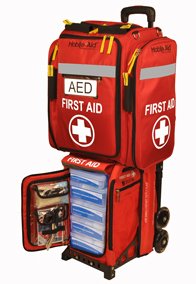
MobileAid Emergency Response Station
A dedicated emergency first-aid station can help households and workplaces keep essential medical supplies organised and accessible.
Shop Emergency First Aid Equipment →
Emergency Go-Bag and Evacuation Supplies
A ready-to-carry emergency bag can help keep essential supplies together if your household needs to leave quickly or manage an unexpected disruption.
Shop Emergency Bags →Disaster Preparedness Kits
Explore emergency kits, first-aid supplies, backup lighting, water storage and other essentials to help prepare your household for unexpected emergencies.
Shop All Emergency Supplies →What Happens After an Earthquake Alert Has Been Sent?
After the initial warning, seismic monitoring networks continue collecting information about the earthquake and any subsequent activity.
Emergency officials may assess infrastructure, inspect public facilities and communicate safety instructions. Scientists may also update earthquake measurements as additional data becomes available.
Residents should keep checking reliable sources rather than assuming that the first notification contains every detail about the event.
For continuing coverage, read our related reports:
- 5.0 Earthquake Near Los Angeles Today: Where It Hit, Damage Reports and Aftershocks
- Could More Earthquakes Follow the Los Angeles 5.0 Tremor? What Aftershocks Mean
- Why Did So Many People Feel the Los Angeles 5.0 Earthquake?
Frequently Asked Questions About Los Angeles Earthquake Alerts
Why did phones send earthquake alerts during the Los Angeles 5.0 quake?
Earthquake warning systems detected seismic activity and distributed notifications to compatible devices in areas that could experience shaking. The alerts were intended to give people time to take protective action.
Do earthquake alerts predict earthquakes before they happen?
No. Earthquake early-warning systems detect an earthquake after it begins. They estimate potential shaking and send alerts where there may be time to warn people.
Why did some people receive earthquake alerts before shaking?
Seismic waves travel through the ground, while electronic information can be transmitted quickly. Depending on distance and processing time, a warning may reach a phone before stronger shaking arrives.
Why did some people receive an earthquake alert after shaking started?
People close to the epicenter may experience shaking before the system has time to detect the event, process the information and deliver a notification. Network and device conditions can also affect delivery.
How much warning time can an earthquake alert provide?
Warning time varies depending on the earthquake's location, depth, distance from the person receiving the alert and how quickly the notification is processed and delivered. Some people may receive only seconds of warning or none at all.
Does an earthquake alert mean a bigger earthquake is coming?
No. An earthquake alert indicates that seismic activity has already been detected. It does not predict that a larger earthquake will follow.
What should you do when your phone sends an earthquake alert?
Take immediate protective action. Drop to your hands and knees, cover your head and neck under sturdy shelter, and hold on until the shaking stops.
Which earthquake alert app is used in California?
California residents can use MyShake, while compatible mobile devices may also receive other supported earthquake and government emergency notifications.
Can Android phones send earthquake alerts?
Compatible Android devices can receive earthquake notifications through Google's earthquake alert system in supported locations. Availability and settings can vary.
Can iPhones receive earthquake emergency alerts?
iPhones may receive government emergency notifications where supported by local authorities, mobile networks and device settings. Available alert types vary by location.
Can you turn off earthquake alerts on your phone?
Some alert settings can be managed through a phone's emergency notification settings, depending on the device and location. Disabling alerts may mean missing important safety information.
Are earthquake alerts always accurate?
No warning system is perfect. Early estimates can change as more seismic data becomes available, and some locations may receive little or no advance warning.
What Do You Think?
Did your phone send an earthquake alert during the November 28 Los Angeles earthquake? Did the notification arrive before the shaking, during it or after it had already stopped? Share your experience in the comments.
Follow YEET Magazine for more breaking news, science reporting and developing stories.
Explore Topics
Sources: United States Geological Survey; UC Berkeley MyShake; Ready.gov; Google Crisis Response; Centers for Disease Control and Prevention.
As an Amazon Associate, YEET Magazine earns from qualifying purchases.