
Could More Earthquakes Follow the Los Angeles 5.0 Tremor? What Aftershocks Mean
Could another earthquake follow the Los Angeles 5.0 tremor? Understand aftershocks, why they happen and why residents should monitor official updates.

YEET Magazine — Los Angeles Earthquake Coverage
Could More Earthquakes Follow the Los Angeles 5.0 Tremor? What Aftershocks Mean
After the magnitude 5.0 earthquake near Manhattan Beach on November 28, 2026, residents across Southern California are asking whether another tremor could follow. Here is what aftershocks are, how long they can continue, whether a larger earthquake is possible and what Los Angeles residents should do next.
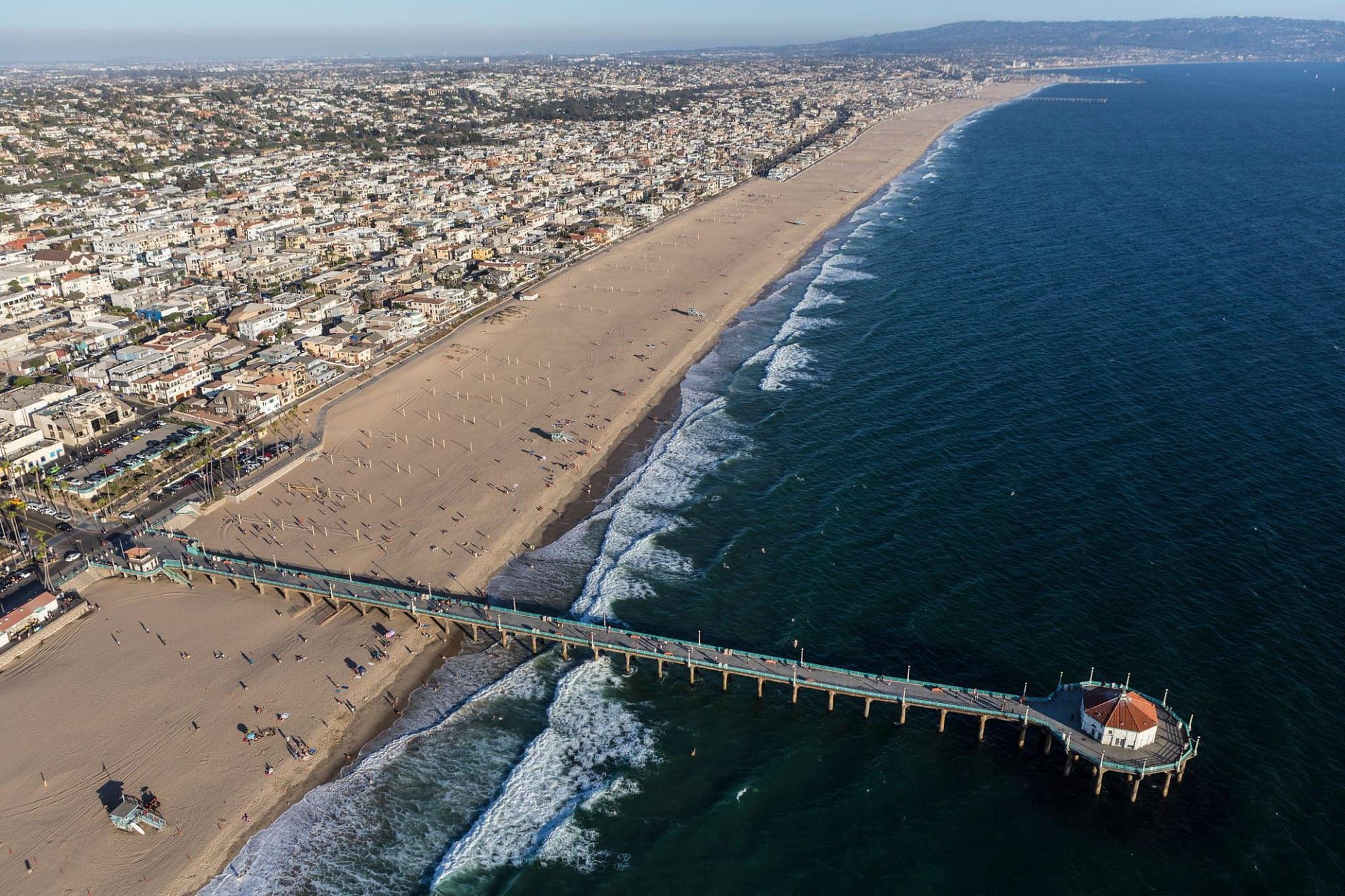
After a magnitude 5.0 earthquake near Los Angeles, one question naturally comes up: could another tremor follow? The November 28, 2026 earthquake struck offshore near Manhattan Beach, shaking communities across Southern California and prompting residents to watch for further seismic activity. Smaller earthquakes, known as aftershocks, are a recognised part of many earthquake sequences. But their timing, size and location cannot be predicted precisely.
The initial earthquake was recorded at approximately 9:30 a.m. Pacific time, with its epicenter about 6 kilometres west-southwest of Manhattan Beach and a depth of approximately 12.23 kilometres. Those measurements describe the original event. They do not establish whether another earthquake will happen or how powerful it might be.
Here is what scientists mean by aftershocks, what residents should understand about the possibility of additional shaking, and how households can prepare without assuming that a larger earthquake is inevitable.
What Happened During the Los Angeles 5.0 Earthquake?
The earthquake struck offshore near Manhattan Beach on Saturday, November 28, 2026. The USGS event record placed the epicenter approximately 6 kilometres west-southwest of Manhattan Beach, California.
The earthquake was measured at magnitude 5.0, with a recorded depth of approximately 12.23 kilometres. Shaking was reported across parts of the Los Angeles region, while emergency personnel began checking infrastructure and assessing possible damage.
Initial reports indicated no major injuries or structural damage in Los Angeles. The Los Angeles Fire Department assigned personnel from all 106 neighbourhood fire stations to survey their districts.
For the location, timeline and initial response, read our full report: 5.0 Earthquake Near Los Angeles Today: Where It Hit, Damage Reports and Aftershocks.
The official event record is available through the United States Geological Survey.
What Is an Aftershock?
An aftershock is an earthquake that occurs after a larger earthquake in the same general area. It happens as the surrounding rock and crust adjust to changes in stress caused by the initial seismic event.
When an earthquake occurs, it releases accumulated stress along a fault or within the surrounding rock. That release can change the distribution of stress nearby. The Earth's crust may continue adjusting, producing additional earthquakes.
Aftershocks are generally smaller than the main earthquake, although some can still be strong enough to be felt and may cause damage, particularly if buildings or infrastructure have already been weakened.
Can More Earthquakes Follow a Magnitude 5.0 Tremor?
Yes. Additional earthquakes can follow a magnitude 5.0 event. Some may be small enough that residents do not notice them. Others may produce noticeable shaking across nearby communities.
There is no universal number of aftershocks that follows every earthquake. The pattern depends on the earthquake sequence, the faults involved and the surrounding geological conditions.
Aftershock activity is often most frequent soon after the main earthquake. The frequency generally decreases over time, although smaller earthquakes can continue for days, weeks or sometimes longer.
That does not mean every earthquake sequence follows the same pattern. Scientists monitor seismic activity to understand how a sequence is developing and update their assessments as new measurements become available.
Could the Next Earthquake Be Stronger Than the First One?
It is possible for an earthquake that follows an earlier event to be larger. If a later earthquake in a sequence is stronger than the first, scientists may reclassify the earlier event as a foreshock.
However, residents should not interpret the possibility of a larger earthquake as evidence that one is expected. Most earthquake sequences do not produce a larger event after the initial earthquake.
A magnitude 5.0 measurement alone cannot tell scientists whether the next earthquake will be smaller, larger or whether another noticeable tremor will occur at all.
The important distinction is between possibility and prediction. Scientists can estimate probabilities for earthquake activity over a defined period, but they cannot identify the exact time, location and magnitude of a future earthquake.
How Long Can Aftershocks Continue After an Earthquake?
Aftershocks can begin within minutes of the main earthquake. Others may occur hours or days later. Depending on the earthquake sequence, activity can continue for weeks or longer.
Several factors influence how long aftershocks continue, including the size of the original earthquake and the geological characteristics of the affected area.
Although aftershock frequency usually decreases over time, a quieter period does not guarantee that another tremor cannot happen.
Residents should continue following official earthquake updates rather than relying on the absence of recent shaking as proof that the sequence has ended.
Why Can an Aftershock Be Dangerous Even If It Is Smaller?
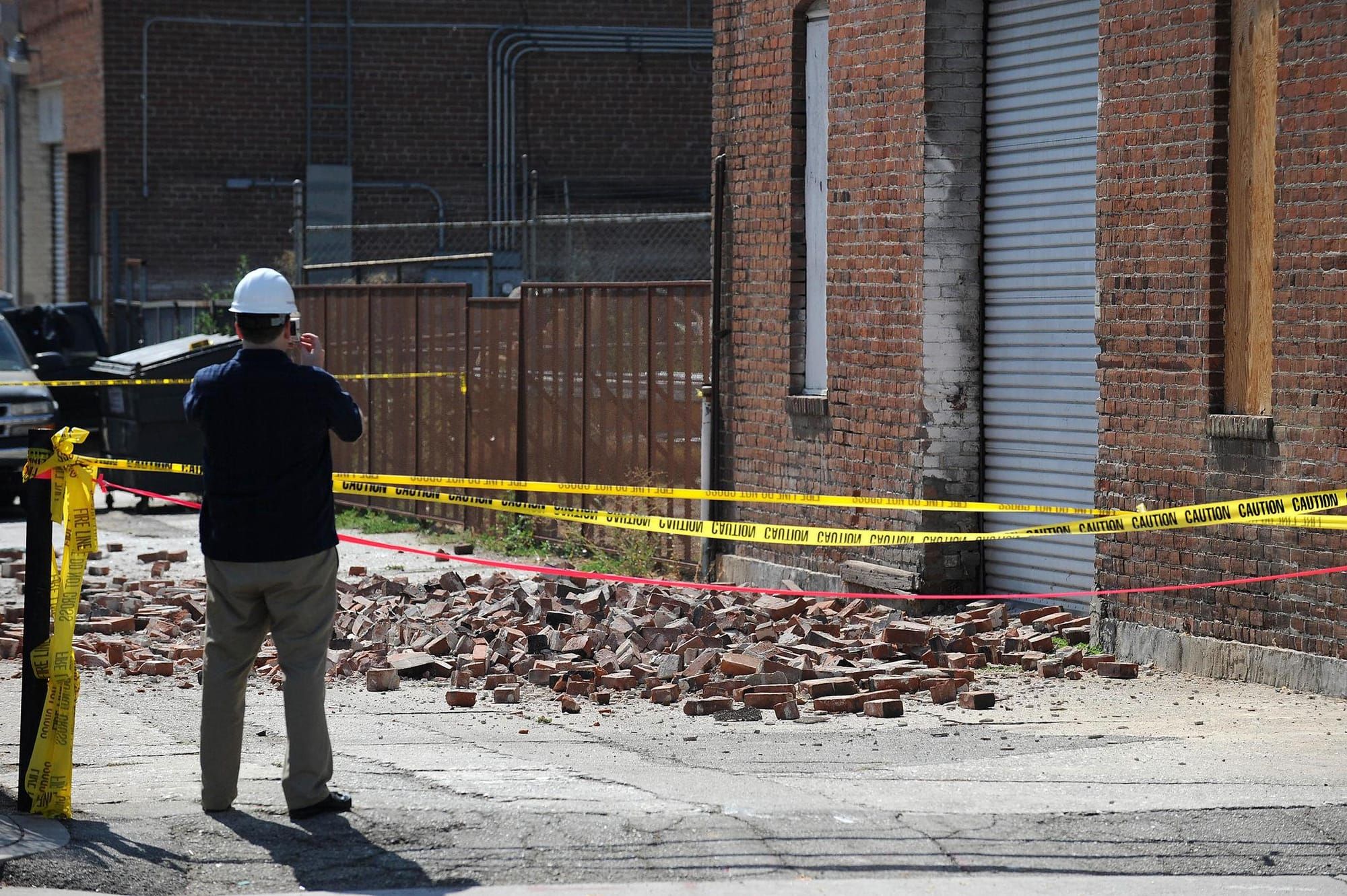
A smaller earthquake can still create problems if it affects a building or structure already weakened by the initial event.
Cracks in walls, damaged foundations, loosened masonry, broken windows and compromised utility connections can make a property more vulnerable to further movement.
Aftershocks can also cause objects that shifted during the first earthquake to fall. Shelves, cupboards, ceiling fixtures and unsecured furniture may present additional hazards.
That is why emergency officials advise people to avoid visibly damaged buildings until they have been assessed by qualified professionals.

What Are Scientists Monitoring After the Los Angeles Earthquake?
Following an earthquake, seismologists examine the location, depth and magnitude of subsequent seismic events. They also monitor whether activity is continuing, decreasing or developing in a way that changes the overall assessment.
The USGS provides earthquake event information and scientific updates that can help residents distinguish confirmed measurements from speculation.
For this event, residents can follow the USGS earthquake event page for updated information.
Scientists also use aftershock forecasts to communicate the likelihood of earthquakes of different magnitudes over a defined period. These forecasts are probabilities, not promises that a particular earthquake will or will not happen.
A forecast should always be read with its stated time period and geographic area in mind. It should not be converted into a claim that a major earthquake is imminent.
What Should Los Angeles Residents Do After an Earthquake?
Residents should remain alert after the initial shaking and take practical steps to reduce risks from possible aftershocks.
1. Check for Injuries and Immediate Hazards
Check yourself and the people around you for injuries. Look for broken glass, fallen objects, damaged electrical equipment, leaking gas or water and other hazards.
2. Stay Away From Damaged Buildings
If a building has visible structural damage, avoid entering it until it has been assessed. Do not assume that a building is safe simply because the main earthquake has stopped.
3. Secure Heavy Furniture and Loose Objects
Secure items that could fall during further shaking. Pay particular attention to bookcases, televisions, mirrors, shelves and heavy objects stored above head height.
4. Know How to Respond if Shaking Starts Again
Follow the earthquake safety procedure known as Drop, Cover and Hold On.
- Drop: Get down onto your hands and knees before the shaking knocks you over.
- Cover: Protect your head and neck beneath a sturdy table or desk. If no shelter is nearby, move close to an interior wall and cover your head.
- Hold On: Stay under your shelter and hold on until the shaking stops.
If you are indoors, stay indoors during the shaking. Keep away from windows and heavy objects that could fall. If you are outside, move away from buildings, power lines and other hazards.
The CDC earthquake safety instructions provide additional guidance.
Why Should Every Household Have an Emergency Kit?
Earthquakes can disrupt electricity, transport, communications and access to shops. Even when an initial event does not cause major damage, households may need to manage independently if services are temporarily interrupted.
Emergency preparedness guidance recommends keeping drinking water, food, a first-aid kit, necessary medication, a flashlight, spare batteries, a radio and phone charging equipment available.
Families should also consider the needs of children, older adults, people with disabilities and pets. Important documents and emergency contact information should be easy to access.
The American Red Cross earthquake preparedness guide offers additional advice on preparing a household before an emergency.
For more on household emergency planning, read our related YEET coverage: Why Emergency Food Supplies Are Becoming Part of Household Preparedness.

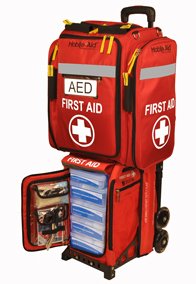
MobileAid Emergency Response Station
A trauma first-aid and emergency equipment station for households, workplaces and preparedness planning. Keep essential medical supplies organised and accessible when they are needed.
Shop Emergency First Aid Equipment →
Emergency Go-Bag and Evacuation Supplies
A ready-to-carry emergency bag can help keep important supplies together if your household needs to leave quickly or manage an unexpected disruption.
Shop Emergency Bags →Disaster Preparedness Kits
Explore emergency kits, first-aid supplies, backup lighting, water storage and other essentials to help prepare your household for unexpected emergencies.
Shop All Emergency Supplies →Could the Los Angeles Earthquake Be Connected to Other Recent Earthquakes?
Earthquakes occur in different locations for different geological reasons. Two earthquakes happening within a relatively short period do not automatically mean they are connected.
Scientists examine the locations, depths, fault systems and timing of seismic events before determining whether they may be related. Geographic proximity or similar headlines alone are not enough to establish a connection.
For comparison, YEET Magazine has also reported on the 7.2-magnitude earthquake near Mexico City, including the damage, response and experiences reported by residents.
What Happens Next After the Manhattan Beach Earthquake?
Seismic activity will continue to be monitored by earthquake researchers and public agencies. New measurements and reports may change the scientific understanding of the sequence as more information becomes available.
For residents, the practical message is clear: remain aware of official updates, check buildings and utilities for damage, secure objects that could fall and keep emergency supplies accessible.
The November 28 magnitude 5.0 earthquake does not establish that a larger earthquake is coming. But it is a reminder that Southern California households should be prepared for additional shaking and understand how to respond safely.
Frequently Asked Questions About Los Angeles Earthquake Aftershocks
Could more earthquakes follow the Los Angeles 5.0 tremor?
Yes. Additional earthquakes, known as aftershocks, can follow a magnitude 5.0 earthquake. Their timing, size and location cannot be predicted precisely.
What is an aftershock?
An aftershock is an earthquake that occurs in the same general area after a larger earthquake as the surrounding crust adjusts to changes in stress.
Can an aftershock be stronger than the original earthquake?
It is possible for a later earthquake in a sequence to be larger. If that happens, scientists may reclassify the earlier event as a foreshock. However, a larger earthquake is not inevitable.
How long can aftershocks last after an earthquake?
Aftershocks can begin within minutes and continue for days, weeks or sometimes longer. Their frequency generally decreases over time, but the pattern varies between earthquake sequences.
Does a magnitude 5.0 earthquake mean a bigger one is coming?
No. A magnitude 5.0 earthquake does not establish that a larger earthquake will follow. Scientists cannot predict the exact timing, location or magnitude of a future earthquake.
Why do aftershocks happen?
Aftershocks happen as rock and the Earth's crust adjust to changes in stress caused by the initial earthquake.
Can aftershocks damage buildings?
Yes. An aftershock can damage structures, especially buildings that were already weakened by the main earthquake. Residents should avoid visibly damaged buildings until they have been assessed.
What should Los Angeles residents do after an earthquake?
Check for injuries and hazards, stay away from damaged structures, secure heavy objects, monitor official updates and be ready to Drop, Cover and Hold On if shaking starts again.
Where can residents check for official Los Angeles earthquake updates?
Residents can follow the USGS earthquake event page and local emergency management announcements for verified information and updated seismic measurements.
Should residents leave their homes because aftershocks are possible?
Not automatically. Residents should follow official instructions, assess their surroundings for hazards and avoid buildings that appear damaged. Anyone who sees serious structural damage or smells gas should move to safety and contact the appropriate emergency service.
What Do You Think?
Did you feel the November 28 earthquake in Los Angeles or another part of Southern California? Have you experienced aftershocks following an earthquake? Share your experience in the comments.
Follow YEET Magazine for more breaking news, science reporting and developing stories.
Explore Topics
Sources: United States Geological Survey; Centers for Disease Control and Prevention; American Red Cross; Southern California Seismic Network / Caltech.
As an Amazon Associate, YEET Magazine earns from qualifying purchases.