
82 Million Americans Are Cutting Back on Food to Afford Health Care — New Poll
One-third of Americans — about 82 million people — cut back on spending, including skipping meals, to afford health care.

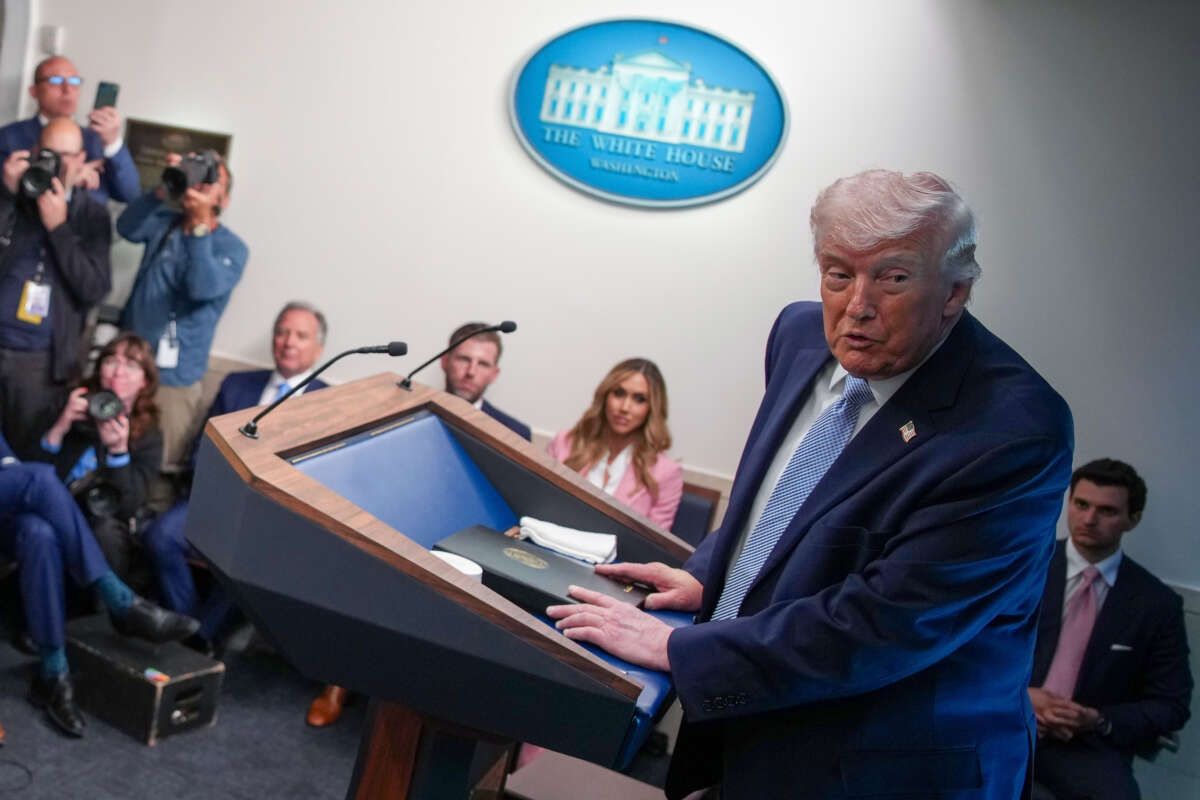
82 Million Americans Are Cutting Back on Food to Afford Health Care
An estimated one-third of Americans — approximately 82 million people — cut back on spending, including skipping meals or driving less, to afford health care in the past year.
Fifteen percent borrowed money to pay medical bills. Eleven percent skipped meals. Others prolonged prescriptions or cut back on utilities. Millions postponed life events like retiring, buying a home, or having children.
For related coverage on the cost of living, see our article on why Americans pay for insurance and still get hit with medical bills.
The Sacrifices Americans Are Making
Individuals without insurance or in poor health reported even larger sacrifices. Sixty-two percent of both groups said they made at least one sacrifice to pay for health care. Over 30 percent of uninsured people borrowed money.
The poll also found that millions postponed major life events. Some delayed retirement. Others delayed buying a home or having children.
For more on America's healthcare cost crisis, read our coverage of how healthcare costs so much and still leaves patients paying out of pocket.
What People Are Actually Saying
The numbers are staggering. But the stories behind them hit harder.
One person said: "I skip lunch every day so I can afford my insulin. I'm not exaggerating. I literally choose between eating and staying alive."
Another said: "We stopped driving to family events because we can't afford the gas after paying medical bills. My kids don't understand why we don't visit grandma anymore."
A third person put it simply: "I'm 58. I was supposed to retire at 62. Now I'll be working until I die because I can't afford healthcare without a job."
These aren't rare cases. They're 82 million Americans — roughly one out of every three adults in the country.
The Numbers Behind the Crisis
Fifteen percent of respondents borrowed money to pay medical bills. That's over 38 million people taking on debt just to stay healthy.
Eleven percent skipped meals to afford care. That's more than 28 million people choosing between food and medicine.
Others prolonged prescriptions, hoping they could stretch a medication further than prescribed. Some cut back on utilities — less heat in winter, less air conditioning in summer — to cover medical costs.
And millions postponed major life events. Retirement delayed. Home ownership delayed. Children delayed or skipped entirely because the cost of bringing a child into the world — and keeping them healthy — felt impossible.
Among people without insurance or in poor health, the sacrifices are even more extreme. Sixty-two percent of both groups made at least one sacrifice to pay for healthcare. Over 30 percent of uninsured people borrowed money they couldn't afford to repay.
What's Driving This
Healthcare costs in the U.S. have been rising for decades. But recent policy changes have made things worse for millions.
Cuts to Medicaid have pushed more people off coverage. The refusal to extend ACA premium tax credits has raised premiums for millions of Americans who buy insurance on the individual market. And rising deductibles mean even people with insurance often pay thousands out of pocket before coverage kicks in.
The result: people who should be able to afford basic care are cutting back on food, utilities, and transportation just to pay medical bills.
One Reddit user in r/economy summed it up: "We find a remarkable increase in food insecurity, particularly among those who are supposed to be middle class. These aren't poor people. These are people with jobs. They just can't afford both food and healthcare."
That's the reality. It's not a poverty problem. It's a systemic problem that's hitting working families and middle-class households just as hard as anyone else.
What Older Americans Are Facing
New research from AARP found that 41 percent of adults 50 and older said they had cut back on groceries in the previous month. That's nearly half of older Americans skipping or reducing food purchases to make ends meet.
For seniors on fixed incomes, the math is brutal. Social Security checks don't keep up with rising healthcare premiums. Medicare doesn't cover everything. And many older Americans are taking on part-time work or dipping into retirement savings just to cover basic medical needs.
One 67-year-old told researchers: "I worked my whole life. Paid my taxes. Did everything right. Now I'm choosing between my heart medication and groceries. This isn't what retirement was supposed to look like."
What This Means for the Country
When 82 million people are cutting back on food, utilities, and transportation to afford healthcare, the entire economy feels it.
Less spending at grocery stores. Fewer restaurant visits. Less travel. Fewer purchases of non-essential goods. Businesses that depend on consumer spending take a hit.
More people borrowing money to cover medical bills means more debt. More debt means less financial stability. Less stability means more stress, more health problems, and more strain on an already broken system.
And when people delay retirement, delay buying homes, or delay having children, the long-term consequences are enormous. Fewer homes bought means a slower housing market. Fewer children means a shrinking workforce down the line. Delayed retirement means younger workers can't move up the ladder as quickly.
This isn't just a healthcare story. It's an economic story. And it's only getting worse.
Health Care Policy and Finance Books
Understand the U.S. healthcare system and how to navigate medical costs.
Price: $21.99
Shop Now on Amazon →