How AI and Algorithms Are Unmasking Banksy: The Future of Anonymous Artist Authentication
Banksy stays anonymous, but AI isn't having it. Machine learning algorithms now analyze brushstrokes, patterns, and metadata to unmask street artists and verify authenticity—transforming how the art world validates and values digital-age rebellion.

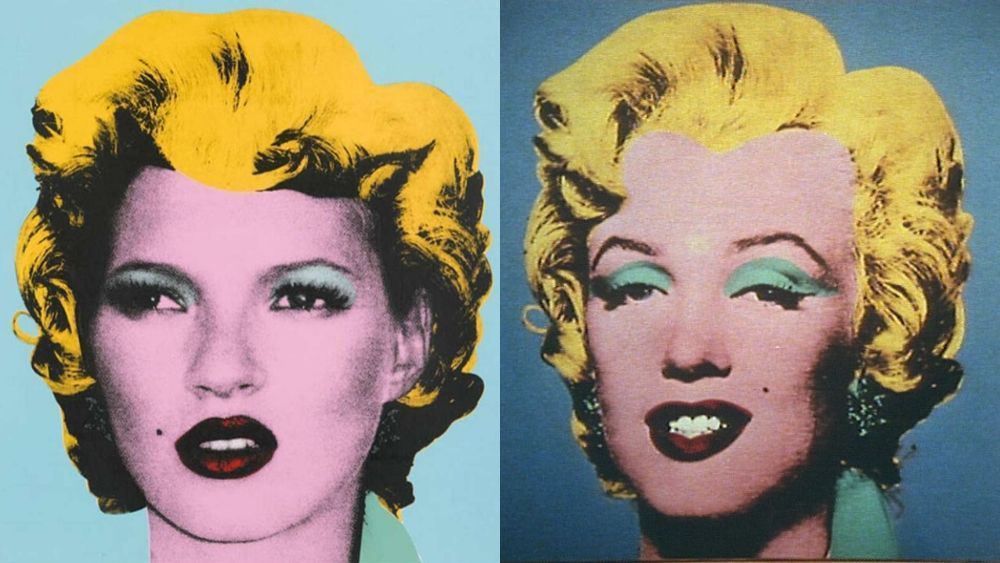
Can AI crack Banksy's anonymity? Not quite—but algorithms are getting closer. Machine learning systems now analyze artistic style, color patterns, and geolocation data to predict artist identities and verify authenticity in real-time. For a street artist whose power comes from mystery, that's a problem. The art market has shifted from trusting provenance to trusting data, and automation is rewiring how we authenticate, value, and track contemporary art.
By YEET Magazine Staff | Updated: May 13, 2026
Here's what's actually happening: AI firms are building systems that scan millions of images, identify stylistic fingerprints, and cross-reference them with known works. It's like digital forensics for spray paint. Banksy's distinctive stencil technique, his political messaging patterns, and even his timing across cities gets fed into neural networks. Collectors now use these tools to verify before dropping €170,000+ on a print.
The irony is brutal. Banksy built his entire brand on being untraceable. Anonymity was the point. But in 2024, data doesn't care about mystique. Algorithms care about patterns. And patterns are everywhere.
For auction houses, this is gold. Authentication used to require human experts debating provenance for months. Now algorithms do it in seconds, with confidence scores attached. Faster sales cycle. Lower risk. More liquidity in the art market. The art world is becoming automated.
But here's where it gets weird: the same tech that protects collectors also threatens the entire subversive power of anonymous art. If AI can identify you, anonymity becomes obsolete. Street art loses its edge. The system absorbs the rebellion, monetizes it, and spits out authenticated NFTs.
The real question isn't "Who is Banksy?" anymore. It's "Can anonymity survive in an age of algorithmic analysis?" Probably not.
Do AI systems actually know who Banksy is?
Not definitively. Multiple research groups have used machine learning to narrow down possibilities based on artistic style, location data, and timing patterns. But courts and auction houses still require traditional legal proof. AI gives probability; law requires certainty. For now, anonymity holds—barely.
How do authentication algorithms work for street art?
They analyze hundreds of data points: brushstroke patterns, color distributions, perspective techniques, font choices, geolocation data, and social media timing. The system trains on verified works, then scores new submissions. High confidence = likely authentic. Low confidence = fake or imitation.
Does AI authentication increase or decrease art value?
Both. Authenticated works command premium prices because risk drops. But it also democratizes verification—you don't need a high-priced expert anymore. This could consolidate power in the hands of whoever controls the algorithms, making smaller collectors dependent on automated systems they don't understand.
Will AI destroy street art's anonymity?
Eventually, maybe. But street artists are adapting: more variation in style, more collaborative work, more intentional ambiguity. The arms race between algorithmic identification and artistic evasion is just heating up.
What's the future of art authentication?
Blockchain + AI. Decentralized databases verify ownership history while machine learning authenticates the work itself. Fully automated. Fully transparent. Fully soulless. The art market gets faster, colder, and less forgiving of mystery.
Read next: How NFT Algorithms Killed Digital Art Communities | Machine Learning and the Rise of Fake Art Detection | Why Blockchain Is Automating the Entire Art Market