How AI Algorithms Shape Celebrity Image Standards: The Khanyi Mbau Case
Social media algorithms don't just show us content—they actively shape what we think beauty should look like. Khanyi Mbau's transformation sparked viral conversations, but the real story is how algorithmic amplification creates impossible beauty standards.

Social media algorithms amplify beauty standards in ways we're only beginning to understand. When Khanyi Mbau shared her transformation journey, algorithmic systems didn't neutrally distribute her posts—they algorithmically prioritized engagement-driving content, meaning controversial transformations get pushed harder. These systems have no moral compass; they optimize for clicks, not well-being. The result? Unrealistic beauty benchmarks spread faster than ever before, influencing millions of viewers globally.
By YEET Magazine Staff | Updated: May 13, 2026
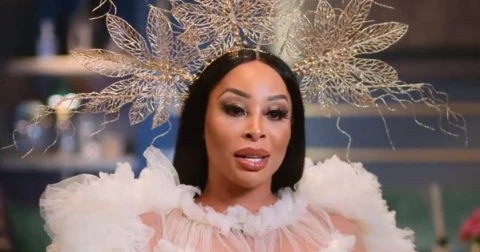
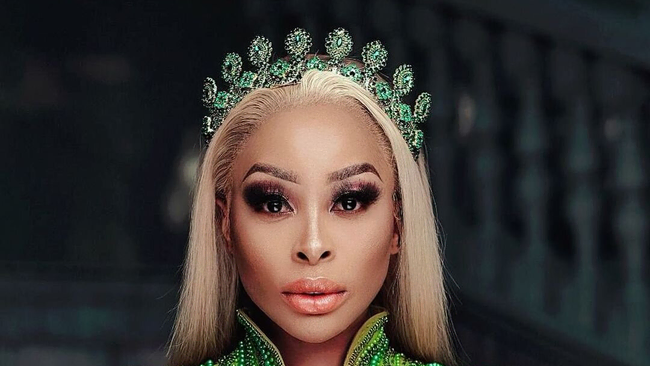
Khanyi Mbau, the South African actress and TV host now returning to Netflix's "Young, Famous & African," openly documented her skin lightening journey starting in 2011. What began as a makeup matching problem evolved into a documented transformation that sparked massive online debate. But here's what matters for understanding modern celebrity culture: her posts didn't go viral by accident. They went viral because platforms like Instagram algorithmically promoted high-engagement content—and controversy generates engagement.

The tech infrastructure behind celebrity culture deserves scrutiny. Algorithms don't distinguish between supportive comments and hateful ones—both register as "engagement." When Mbau received offensive insults in her comments, the algorithm likely boosted those posts further, creating a feedback loop. This is automation at work: machines optimizing for metrics that harm human psychology.
Mbau's IV glutathione treatments and skin-lightening products weren't chosen in a vacuum. She was responding to real constraints—makeup artists couldn't match her complexion. But then social media amplified her choices into a trend, with algorithms deciding millions should see her transformation. The question isn't whether her choices were valid; it's how tech systems weaponize personal decisions into societal beauty standards.
Content moderation algorithms face another challenge: determining what violates community standards. Hateful comments about Mbau's appearance should theoretically get removed, but automated systems struggle with context and intent. Some platforms rely on human moderation teams, introducing bias and inconsistency. Others lean entirely on AI, which frequently misses nuance. Either way, the algorithm wins—controversy stays visible, engagement stays high.
The beauty tech industry itself is becoming increasingly data-driven. Apps use AI to "enhance" selfies, filters use machine learning to reshape faces in real-time, and recommendation algorithms suggest cosmetic procedures based on your browsing history. It's a closed loop: algorithms show you filtered faces, you want to look like filtered faces, you seek procedures, the industry profits, algorithms promote more procedures.
What's the fix? Transparency about algorithmic amplification. Platforms could show users why they're seeing specific content. They could deprioritize controversial engagement. They could invest in AI systems that detect and suppress comparison-driven content. But that would mean lower engagement metrics and reduced ad revenue. So instead, algorithms keep optimizing for the same thing: whatever keeps you scrolling.
Mbau's return to Netflix's "Young, Famous & African" will likely be amplified by the same systems that drove her initial transformation narrative viral. Algorithms don't care whether they're promoting authentic moments or manufactured ones—they care about watch time and engagement. The real disruption would be building recommendation systems that optimize for user well-being instead of engagement.
How are algorithms deciding what beauty standards look like?
Recommendation algorithms on Instagram, TikTok, and YouTube don't have explicit beauty criteria. Instead, they optimize for engagement: likes, comments, shares, watch time. Content featuring dramatic transformations generates massive engagement because it provokes emotional responses—shock, inspiration, judgment, defensiveness. Algorithms reward this engagement by showing the content to more people, effectively amplifying specific beauty ideals to millions.
Why do beauty transformation posts go viral faster than other content?
Polarizing content performs better algorithmically. Transformation posts trigger debate, which generates comments and shares. The algorithm then interprets this engagement as "valuable content" and distributes it widely. Posts that everyone agrees with? Boring to the algorithm. Posts that make people angry or shocked? Pure engagement gold.
Can AI detect harmful beauty standards in comments?
Technically yes, but it's not a priority. Content moderation AI can identify obvious slurs and direct harassment, but it struggles with context-dependent harm. A comment saying "you look amazing now" after a transformation might seem positive, but it implies the person "looked bad before." Current systems rarely catch these subtle, algorithm-amplified harms.
What would ethical algorithmic design look like for celebrity content?
Platforms could deprioritize comparison-based content, limit algorithmic amplification of controversial posts, provide transparency about why content is recommended, or optimize for user well-being metrics instead of engagement metrics. They could also label content featuring filters, editing, or cosmetic procedures. But these changes would reduce profits, so adoption remains slow.
How does data collection enable beauty industry targeting?
Platforms track what beauty content you engage with, what products you search for, even how long you look at specific images. This data trains algorithms that predict what cosmetic procedures, skincare products, or beauty services you might buy. Targeted ads then push these offerings at scale, creating artificial demand based on algorithmic predictions of your insecurities.
Explore how automation shapes entertainment culture: The AI systems deciding what Netflix shows go viral, Why algorithms reward controversial content over authentic moments, and How automated moderation fails marginalized creators.