How AI Travel Algorithms Are Changing Cuba Tourism (And Why That Matters)
AI-powered travel algorithms are revolutionizing how visitors discover Cuba's culture and landscapes. Discover how machine learning personalizes your Caribbean adventure and what automation means for the future of travel to this iconic destination.


AI travel algorithms are fundamentally reshaping how tourists plan Cuba vacations. Machine learning systems now predict what travelers want—cultural experiences, food tours, architectural walks—before they even book. Recommendation engines analyze millions of data points to personalize itineraries. Automation tools streamline visa applications and hotel reservations. For travelers, this means smarter, faster trip planning. For Cuba's tourism sector, it means understanding visitor behavior at scale and optimizing experiences in real time.
By YEET Magazine Staff | Updated: May 13, 2026
The real shift? Algorithms aren't just booking flights anymore. They're learning which neighborhoods you'll vibe with, which restaurants match your taste profile, and which historical sites align with your interests. It's creepy and convenient simultaneously.
How Data Drives Cultural Discovery
Havana's colonial streets have been mapped, tagged, and fed into recommendation systems. When you search "authentic Cuban music," an AI is analyzing thousands of traveler reviews, photo metadata, and booking patterns to surface the venues tourists actually loved.
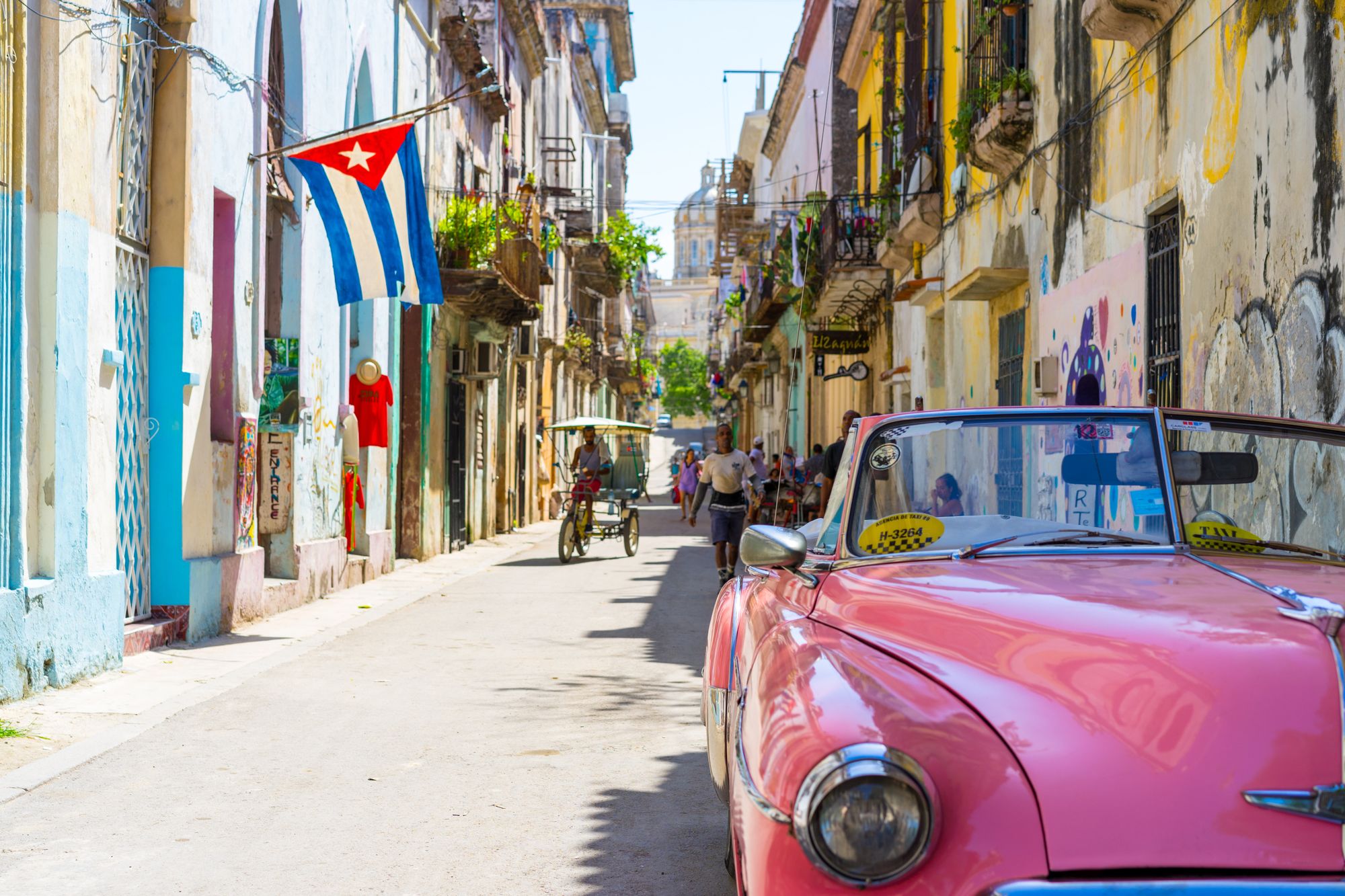
Cuba's culture—that rich blend of Spanish colonial, African, Taíno, and French influences—is now being catalogued and ranked by algorithms. The vintage cars, the Afro-Cuban music, the street art: all data points. Travel platforms use this to segment tourists. Are you the "authentic culture" type or the "luxury beach resort" type? Algorithms decide what you see first.
The paradox is real. You want an authentic experience, but you're finding it through a recommendation engine trained on millions of other tourists' data.
Automation and the Future of Cuba Travel
Chatbots now handle visa questions. Automated booking systems optimize flight-hotel bundles. Dynamic pricing algorithms adjust accommodation costs based on demand forecasting. Tour operators use predictive analytics to staff guides based on expected visitor volume.

What does this mean for workers in Cuba's tourism sector? Tour guides compete with AI-generated itineraries. Hotel staff are being monitored by automation systems that track efficiency. The human touch—that charm of a local guide sharing family stories—is increasingly benchmarked against algorithmic recommendations.
On the flip side, AI helps small businesses reach tourists. A family-run restaurant in Havana can now be discovered through targeted advertising powered by machine learning, something impossible a decade ago.
The Data Collection Question
Every time you book a Cuba trip, leave a review, take a geotagged photo, or click "interested," you're feeding data into systems that profile travelers. This data helps tourism boards understand visitor patterns, but it also creates detailed records of movement, preferences, and behavior.
Is that a problem? Depends on your comfort level with algorithmic surveillance. Cuba itself has unique privacy dynamics—a country with limited internet but growing digital infrastructure. As automation increases, the tension between personalization and privacy will only sharpen.
Practical Takeaway
You can still have an "authentic" Cuba experience. Just know that authenticity is now mediated by algorithms. Your personalized itinerary is the product of machine learning. Your "off the beaten path" restaurant was probably recommended by an AI that analyzed thousands of travelers before you.
The future of Cuba tourism isn't about choosing between AI or human experience. It's about leveraging both. Use the algorithms to handle logistics—flights, visas, basic bookings. Then disconnect. Talk to locals. Wander without navigation. That's where algorithms can't follow.
Questions you're probably asking:
How accurate are AI travel recommendations for Cuba specifically?
Pretty accurate for major attractions, less so for hyper-local experiences. Algorithms are trained on data from millions of travelers, which creates consensus recommendations. If you want something truly unique, you'll need to diverge from the algorithm's suggestions.
Will automation make Cuba travel more expensive?
Dynamic pricing algorithms will likely increase costs during peak seasons (determined by predictive analytics). However, automation also enables micro-targeted deals for off-peak travelers. The net effect depends on booking timing and flexibility.
What about privacy when traveling to Cuba with digital tools?
Your travel data is collected by platforms, aggregated, and analyzed. VPNs help, but your booking data itself—dates, preferences, payment info—is already captured. Be aware that travel companies sell anonymized insights to tourism boards.
Are AI-generated itineraries better than hiring a