AI-Powered Style: How Algorithms Are Predicting the Oversized Shirt Trend
Forget following Instagram influencers manually—AI algorithms are now predicting what you'll wear months before trends go mainstream. We're breaking down how machine learning models analyze billions of data points to forecast that oversized shirt will dominate your summer wardrobe.

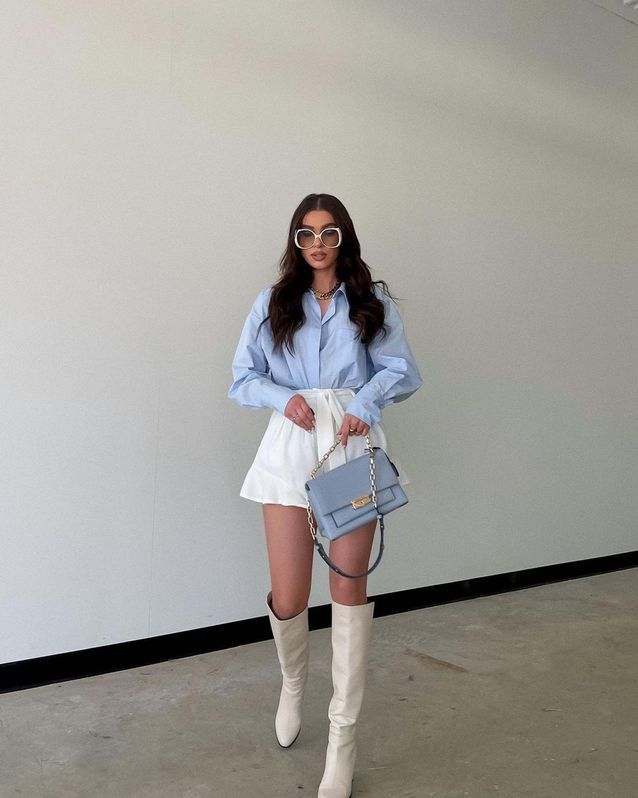
Fashion prediction just got automated. Machine learning algorithms now analyze Instagram posts, Pinterest saves, and shopping data to forecast trends before they hit stores. The oversized shirt? AI saw it coming months ago. Here's the real story: AI systems track color preferences, fit patterns, and seasonal shifts across millions of users globally. Brands use this data to manufacture exactly what you'll want before you know you want it. It's not magic—it's algorithmic demand forecasting replacing the old guesswork fashion industry used to rely on.
By YEET Magazine Staff | Updated: May 13, 2026
The oversized shirt trend isn't random. Data scientists built models that process social media engagement rates, search volume spikes, and purchase history to identify emerging patterns. When enough data points align, algorithms flag a trend and retailers stock up accordingly.
AI fashion platforms like Stitch Fix and ThirdLove use recommendation engines trained on millions of style profiles. These systems learn your preferences through clicks, likes, and purchases—then automate personalized suggestions. No human stylist needed. The algorithm does the work in milliseconds.
Why oversized specifically? Because automation analysis found that comfort-driven silhouettes correlate with post-pandemic consumer behavior. Data showed people were buying larger fits at higher rates. Algorithms amplified that signal across inventory systems, and suddenly every brand is selling oversized.
The color trends? Same story. Sentiment analysis tools scan fashion conversations to identify which colors generate positive engagement. That 2024 trending sage green? An algorithm probably flagged it before any influencer posted about it.
Here's what's wild: traditional fashion forecasters worked 18 months ahead. AI does it in real time. Your wardrobe is being predicted and manufactured by systems that never sleep, never take vacations, and operate on petabytes of behavioral data.
The future of personal style is being automated. Fashion designers are basically following AI recommendations now. The industry used to rely on intuition and gatekeeping. Now it's all about who has the best data infrastructure and algorithms.
Want to know what's trending next summer? You don't need to wait for Vogue. Check the machine learning models at major fashion tech companies. They already know.
Q: How do retailers use AI to predict oversized clothing demand?
Retailers deploy demand forecasting algorithms that analyze historical sales data, seasonal patterns, and real-time search trends. These systems predict inventory needs weeks in advance by processing data from multiple channels simultaneously.
Q: Can AI really predict fashion trends months ahead?
Yes, but with limitations. AI excels at identifying accelerating patterns in existing data. It spotted the oversized trend by tracking increasing search volume, social media mentions, and purchase behaviors. However, it struggles predicting truly novel trends that haven't appeared in historical data yet.
Q: Are AI recommendations making personal style obsolete?
Not obsolete—augmented. AI handles the filtering work (processing millions of options) while you make the final choice. It's like having an assistant who reads every fashion blog instead of doing it yourself. The human still decides what to wear.
Q: How does sentiment analysis predict color trends?
Tools scan social media, fashion forums, and e-commerce reviews to measure emotional responses to colors. When sentiment around sage green spikes positive while mentions increase, algorithms flag it as trending. It's crowd psychology automated.
Q: Will AI eventually design all our clothes?
Generative AI is already designing garments by learning from successful past designs. But human designers still set the vision and values. AI is becoming the tool—not the artist. The collaboration model is growing faster than full automation.
Related: Check out our article on how automation is reshaping retail jobs and what your shopping data reveals about future trends.
HTML_CONTENT