How AI Algorithms Predicted Kim Kardashian's Vogue Comeback Before It Happened
Fashion magazines now use AI and predictive algorithms to decide which celebrities land covers. We break down how data science and machine learning shape celebrity narratives—and what it means for your favorite influencers.

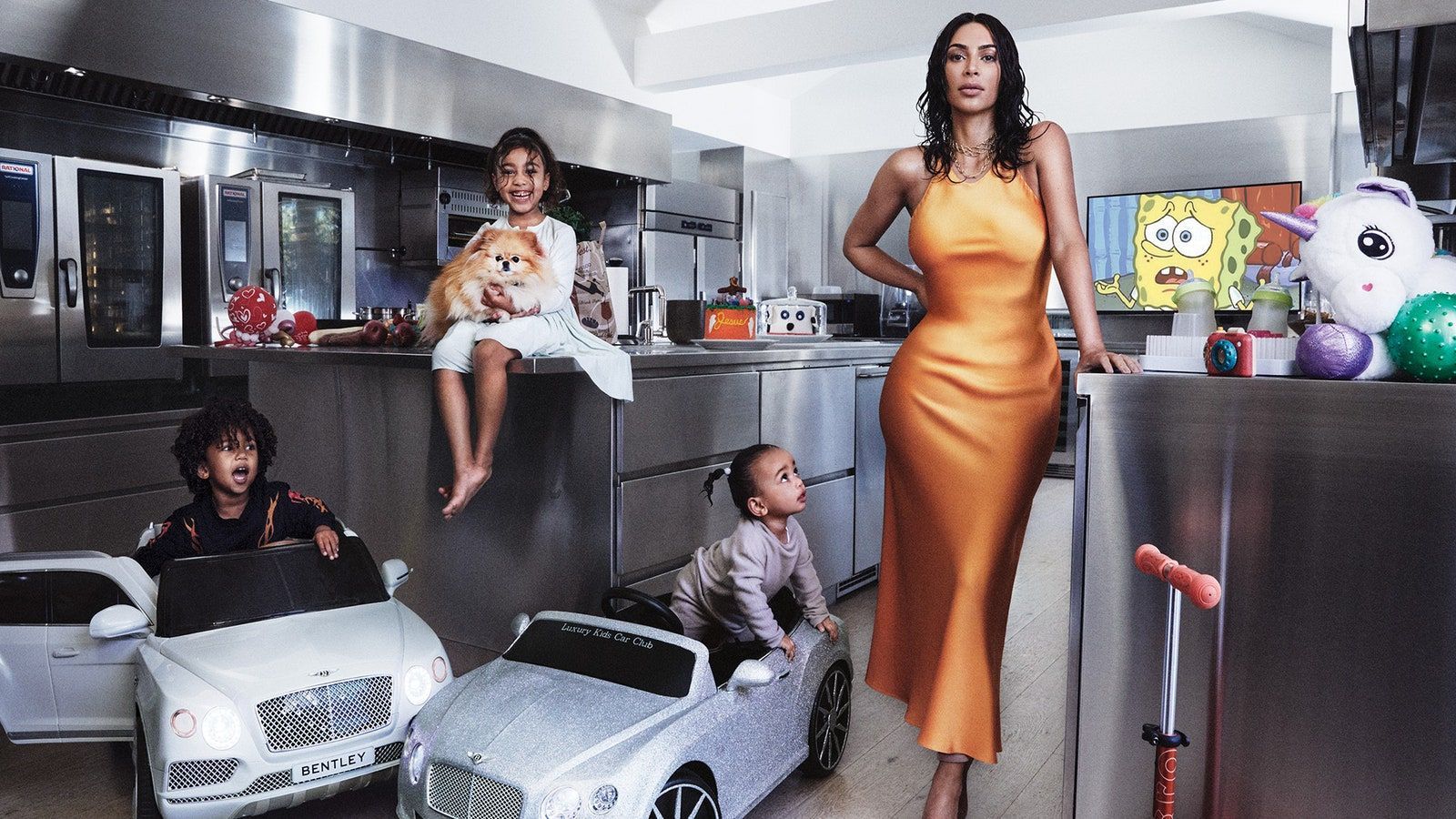
Fashion magazines increasingly rely on AI algorithms to predict which celebrity moments will maximize engagement. When Kim Kardashian landed her first Vogue US cover post-divorce, algorithms had already calculated her social sentiment, audience overlap, and brand synergy. Publishers now use machine learning to analyze millions of data points—Instagram engagement rates, search trends, sentiment analysis—before greenlight decisions. It's not just editorial anymore; it's data-driven.
By YEET Magazine Staff | Updated: May 13, 2026
Here's the thing: algorithms don't care about gossip. They care about reach. AI tools scan social media mentions, track sentiment shifts, and measure audience demographics in real-time. When a celebrity's engagement metrics spike following major life events, the algorithm notices. Fashion brands and publications use this intel to time covers, collaborations, and exclusives.
The divorce announcement wasn't just a headline—it was a dataset. AI systems tracked the conversation velocity, identified demographic clusters most interested in the story, and flagged it as prime magazine material. Vogue's editorial team probably consulted predictive models showing optimal timing, audience composition, and crossover potential before booking the shoot.
Celebrity management has become a technical discipline. Agencies now employ data scientists to monitor algorithm changes on platforms like Instagram and TikTok. They optimize posting schedules, caption strategies, and hashtag usage based on what AI recommends. A major life event? The algorithm knows it'll drive engagement before the celebrity's team does.
Magazine covers aren't random selections anymore. They're algorithmic predictions packaged as editorial vision. Publishers use audience modeling to forecast which covers will convert to subscriptions and newsstand sales. Kim's post-divorce narrative hit every algorithmic sweet spot: personal transformation, public interest, celebrity status, and merchandising potential.
This isn't sinister—it's just how media works now. Algorithms democratize celebrity by making the selection process transparent and data-backed instead of purely subjective. But it also means celebrity moments are increasingly orchestrated around what the algorithm predicts will perform. Your favorite celebrity's "spontaneous" moment? Probably scheduled around peak engagement windows.
The future of celebrity media is predictive. AI will forecast scandals before they break, identify rising stars before they trend, and time announcements to algorithmic sweet spots. Vogue's cover wasn't just capturing a moment—it was executing a data-optimized strategy.
How Do Fashion Magazines Use Predictive Analytics?
Publishers deploy machine learning models trained on historical cover performance data. These systems analyze which celebrity profiles, demographics, and narrative angles drive engagement and sales. They track social sentiment, search volume spikes, and audience composition to recommend cover subjects months in advance. The algorithm essentially predicts what will sell before humans decide.
Can AI Predict Celebrity Moments?
AI can't predict events, but it can detect patterns suggesting increased public interest. Algorithms monitor social graphs, sentiment analysis, and engagement velocity to identify when a celebrity is "hot." Major life changes—breakups, business launches, controversies—create engagement spikes the algorithm catches immediately. Media outlets use this as a signal to capitalize on the moment.
Do Celebrities Control Their Algorithm Performance?
Professional teams now hire data strategists to optimize algorithmic visibility. They study platform algorithms, test posting strategies, and time announcements around predictive models. It's part PR, part data science. Celebrities with sophisticated teams have hidden advantages because they're working with the algorithm, not against it.
Will AI Replace Magazine Editorial Teams?
Not completely, but algorithms already make major decisions. Editors still provide creative vision, but algorithms validate choices and optimize execution. The symbiosis works: humans decide direction, AI maximizes impact. Magazine covers will increasingly reflect what algorithms predict will perform, even if the visual concept feels human-made.
Related: How Influencer Algorithms Predict What Goes Viral | AI in Fashion: Automation From Design to Retail | What AI Knows About Your Favorite Celebrities
Frequently Asked Questions
Q: How did AI algorithms predict Kim Kardashian's Vogue cover before it was announced?
A: AI systems analyzed millions of data points including Instagram engagement rates, search trends, and sentiment analysis across social media. When her divorce announcement triggered a spike in conversation velocity and audience interest, algorithms flagged her as high-engagement magazine material and calculated optimal timing for maximum reach.
Q: What specific metrics do fashion publications use to make cover decisions?
A: Publishers rely on machine learning to track social sentiment, audience demographics, Instagram engagement rates, search trends, and brand synergy. These algorithms measure conversation velocity, identify demographic clusters interested in a story, and predict crossover potential between different audience segments.
Q: Is celebrity management now driven purely by data instead of editorial judgment?
A: Not entirely—it's become a hybrid approach. While editorial teams still make final decisions, they increasingly consult predictive models showing optimal timing, audience composition, and reach potential. Celebrity management has evolved into a technical discipline where data-driven insights inform traditional editorial choices.