How AI Algorithms Now Predict Hip-Hop's Next Sneaker Trend
AI and machine learning are now reshaping how brands predict the next iconic sneaker moment in hip-hop. By analyzing decades of artist endorsements, social signals, and cultural data, algorithms identify which kicks will blow up before artists even know it themselves.

AI-driven algorithms now predict sneaker trends in hip-hop culture by analyzing artist endorsements, social data, and lyrics. Machine learning models scan decades of cultural signals to forecast the next iconic kick before it drops. Sneaker brands use predictive analytics to decide which collaborations will resonate, essentially automating trend-spotting that used to rely on gut instinct and industry connections.
By YEET Magazine Staff | Updated: May 13, 2026
The sneaker industry's relationship with hip-hop has always been organic—artists rocked what felt right, audiences followed. But automation changed that game. Brands now feed algorithms years of data: which artists mention kicks in lyrics, Instagram engagement metrics, resale prices on secondary markets, even sentiment analysis from Twitter. The result? Smarter product drops that feel culturally authentic because they're scientifically validated.
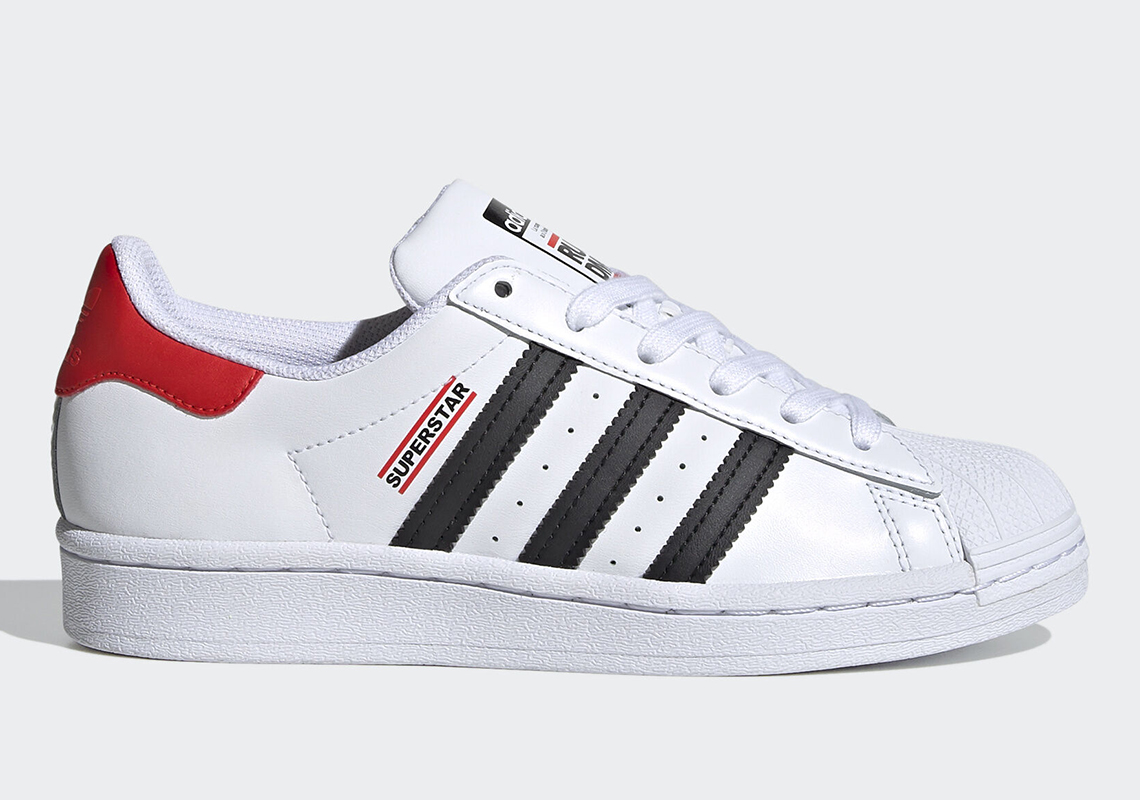
Adidas Superstar - Run-DMC made shell-toes legendary in "My Adidas," but today's algorithms track why. Natural language processing analyzes millions of rap lyrics to spot sneaker mentions, automating the discovery of cultural moments that historically took critics years to identify.
Nike Air Force 1 - These cleaned up every cypher for decades. Now machine learning models predict Force 1 resale value spikes by monitoring artist social media activity, tour announcements, and streaming data. When a rapper's following surges, the algorithm signals inventory adjustments weeks in advance.
Adidas Run DMC Collection - Beyond nostalgia, AI retroactively analyzes why this collab dominated. Computer vision scans thousands of '80s hip-hop photographs to quantify the tracksuits and laceless sneaker presence, building datasets that predict which vintage collabs will trend next.

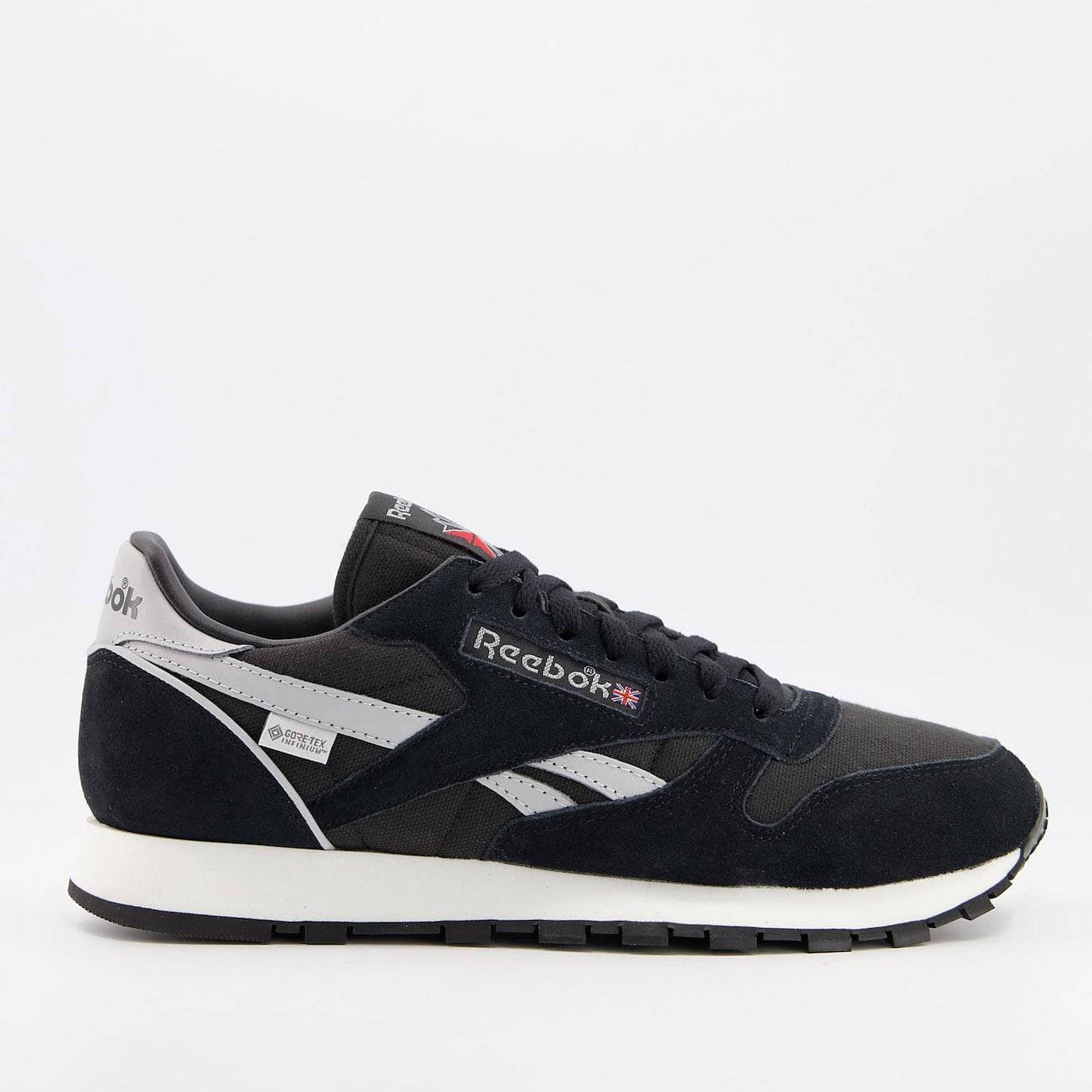
Reebok Classic - Jay-Z and 50 Cent built Reebok's hip-hop credibility through organic association. Today's brand partnership algorithms use graph neural networks to identify which emerging artists have the demographic overlap and cultural influence to replicate that effect without waiting for it to happen naturally.
Air Jordan Series - Travis Scott and Drake's dominance with Air Jordan 1s isn't random—it's measurable. Recommendation algorithms analyze streaming patterns, fashion AI tracks visual aesthetics in music videos, and automation systems predict which artist-sneaker pairings will generate cross-platform cultural moments before the collab even launches.
The future of sneaker culture is here: less about chance discovery, more about algorithmic inevitability. Brands invest millions in AI talent to stay ahead, building proprietary datasets that predict the next "My Adidas" moment. Meanwhile, artists still think they're choosing authentically—they probably are, but now they're choosing from options that algorithms quietly suggested based on patterns in their own data.
What happens when AI gets sneaker culture wrong? It does, constantly. Algorithms struggle with subcultural authenticity and generational shifts. A model trained on 2000s data might miss the TikTok-driven trends of 2024. Brands that over-rely on automation risk launching soulless collabs that data said should work but audiences reject immediately. The best outcomes happen when AI assists human intuition rather than replaces it.
Can algorithms predict the next iconic sneaker before it happens? Partially. Predictive models can identify emerging artists and cultural signals with impressive accuracy, but true iconism requires unpredictable human factors: a viral moment, a perfect song, a cultural moment that no training data anticipated. AI raises the odds; it doesn't guarantee the result.
How do sneaker brands use this data? Inventory planning, artist partnership selection, colorway decisions, and timing. Nike and Adidas employ data scientists who build models that forecast demand, optimize supply chains, and automate decision-making around limited drops. Some brands use dynamic pricing algorithms to adjust resale values in real-time based on cultural momentum.
Explore more on how machine learning shapes the music industry or dive into how algorithms predict social media trends.