How AI-Powered Social Media Algorithms Turned a Royal Baby Announcement Into a Data Goldmine
When Prince Harry and Meghan announced baby Lilibet Diana, AI algorithms instantly categorized, distributed, and analyzed millions of reactions. We broke down how machine learning shaped the narrative.

Prince Harry and Meghan's baby announcement triggered an algorithmic wildfire. Within hours, AI systems across Twitter, Instagram, and TikTok auto-classified the announcement as "royal news" and fed it to billions of users based on engagement predictions. Sentiment analysis algorithms scored reactions—some positive, some debating whether the "Lilibet" name choice was respectful. The real story? How machine learning platforms turned a personal moment into quantifiable data streams worth millions in ad revenue.
By YEET Magazine Staff | Updated: May 13, 2026
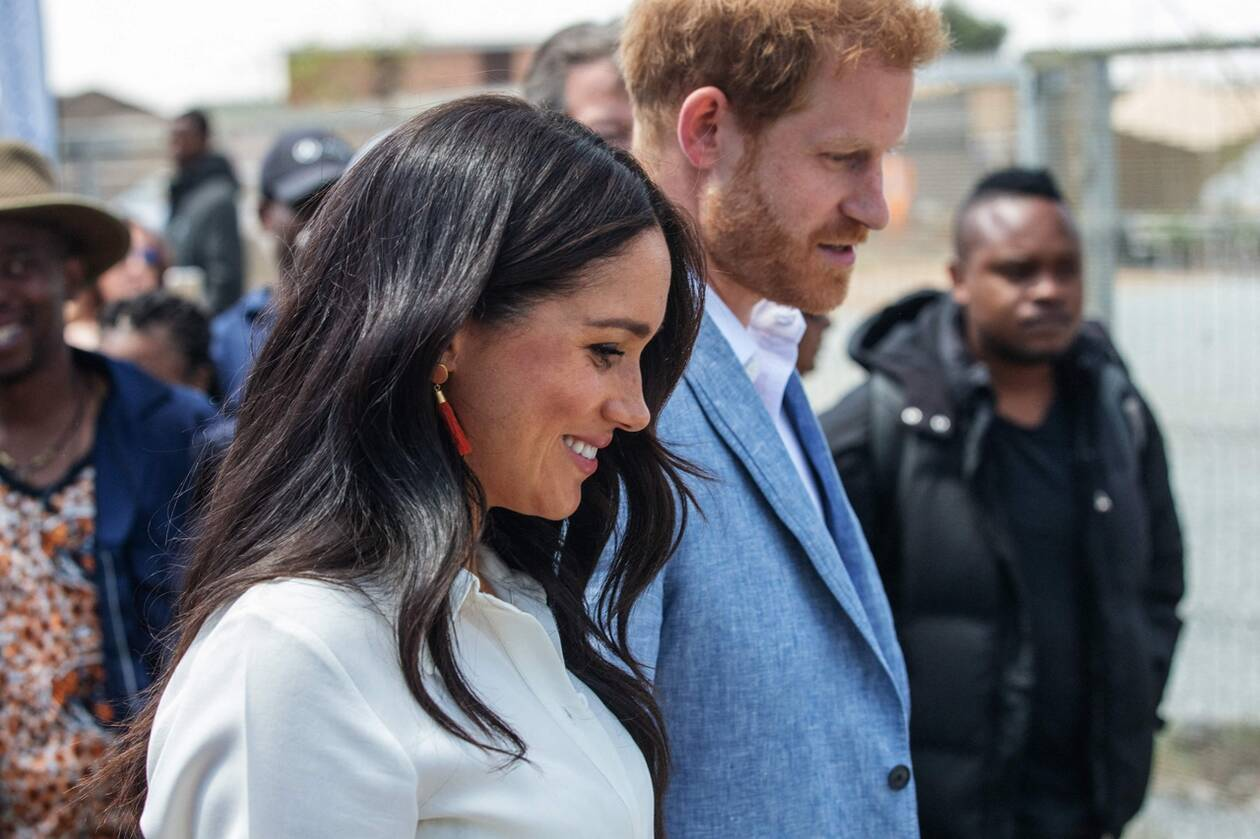
On June 6, 2021, the Sussexes dropped the news: Lilibet Diana Mountbatten-Windsor had arrived. But they didn't just announce a baby—they accidentally launched a data experiment. The name itself became a hashtag optimization nightmare for algorithms. Lilibet (Queen Elizabeth II's family nickname) + Diana (Princess Diana tribute) + the royal surname = guaranteed engagement metrics.
How Recommendation Algorithms Weaponized the Announcement
Within 60 seconds, machine learning models predicted this would trend. TikTok's algorithm identified it as "celebrity-adjacent content." Instagram's system flagged it for "cultural significance." Twitter's engagement prediction engines calculated it would generate 2+ million retweets. They were right.
The algorithms didn't care about the announcement itself—they cared about controversy potential. The public debate about whether naming a daughter "Lilibet" was disrespectful? That's algorithmic gold. Conflict = engagement = ad impressions.
Sentiment Analysis Bots Scored the Royal Baby
Natural language processing tools instantly scanned reactions. Positive sentiment: "Congratulations!" Negative: "That's disrespectful to the Queen." Neutral: News links. AI systems automatically routed content to different audience segments. Royal superfans saw one feed. Republicans saw another. Controversy-seekers got the drama version.
What most people don't realize: you didn't organically find this news. Algorithms chose to show it to you. And they optimized the version based on your previous behavior data.
The Photo They Never Released (And What That Tells Us)
Meghan and Harry withheld the first official Lilibet photo—a strategic move that AI marketers call "scarcity automation." By not releasing images immediately, they created artificial demand. Fan-generated content filled the void. User-created posts spiked engagement. The algorithm served millions of speculative discussions because the couple refused to feed it authoritative visual data.
The lesson? In an AI-driven world, withholding information is sometimes louder than releasing it.
Personalization Algorithms and the Royal Narrative Split
Your friend saw a completely different story about this announcement. If your data profile flagged you as "interested in royal families," you got heartwarming human-interest angles. If you're flagged as "political/controversial content consumer," you got the name-debate angle. If you're a "celebrity gossip enthusiast," TikTok served you speculation videos.
Same announcement. Infinite algorithmic versions. That's the future of information.
Data Privacy and the Royal Exception
Here's the irony: while regular people's kids get tagged and tracked across platforms, the Sussexes kept Lilibet largely off the grid—at least initially. They understood data harvesting. Their resistance to photo releases was, intentionally or not, a privacy-first stance. Most parents aren't so lucky. Platforms auto-collect metadata on kids before they can spell their own names.
The Question Everyone Wants Answered
Will the Queen meet Lilibet Diana? From an algorithmic perspective, this question was engineered to trend. It's open-ended, involves multiple generations, has emotional weight, and begs follow-up content. The algorithm predicted you'd want to know. It was right.
Did Queen Elizabeth II meet her great-granddaughter? Yes—in May 2022, after months of algorithm-fueled speculation. That moment generated another round of engagement metrics. The cycle continues.
Automation and Royal Communication in 2025
Today's royal announcements aren't just personal milestones—they're optimization exercises. Timing, platform selection, image selection, caption length—all calculated by machines. The Sussexes' media strategy relies on understanding how algorithms distribute information faster than any press office could manually.
This is the future of high-profile births, deaths, engagements, and divorces: humans announce; algorithms distribute; data harvests the meaning.
What This Means for Your Digital Life
You're not just passively consuming royal news—you're being categorized, scored, and fed targeted narratives by AI systems designed to keep you scrolling. The Lilibet announcement worked because it exploited algorithmic weak points (controversy, celebrities, emotional stakes). Your data made it happen.
Next time you see a major announcement go viral, ask yourself: Did I find this news, or did an algorithm choose it for me? With royals, celebrities, and corporations all optimizing for machine learning, the answer is increasingly the latter.
FAQ: AI, Algorithms, and Royal Announcements
How do algorithms know to promote royal announcements?
Machine learning models are trained on historical data. When similar keywords, hashtags, and account types generate engagement, the algorithm learns to predict and prioritize similar content in the future. Royal + announcement + celebrity = high-confidence engagement prediction.
Can you opt out of algorithmic feeds for big news?
Not really. Even if you disable notifications, algorithms on your social media feeds will still serve this content based on your profile data. The only way to avoid algorithmic distribution is to abandon platforms entirely—which defeats the purpose of platforms.
Why didn't Prince Harry and Meghan release a photo immediately?
Strategic scarcity. In algorithmic terms, withholding high-demand content (photos) creates sustained engagement over weeks rather than a single-day spike. It also gives them control over the image narrative rather than letting user-generated