How AI-Powered Media Algorithms Control Royal Coverage: The Kate Middleton Effect
Royal news cycles run on algorithms now. Here's how AI systems decide which Kate Middleton stories blow up, which stay buried, and why data-driven media shapes what we think about the monarchy.

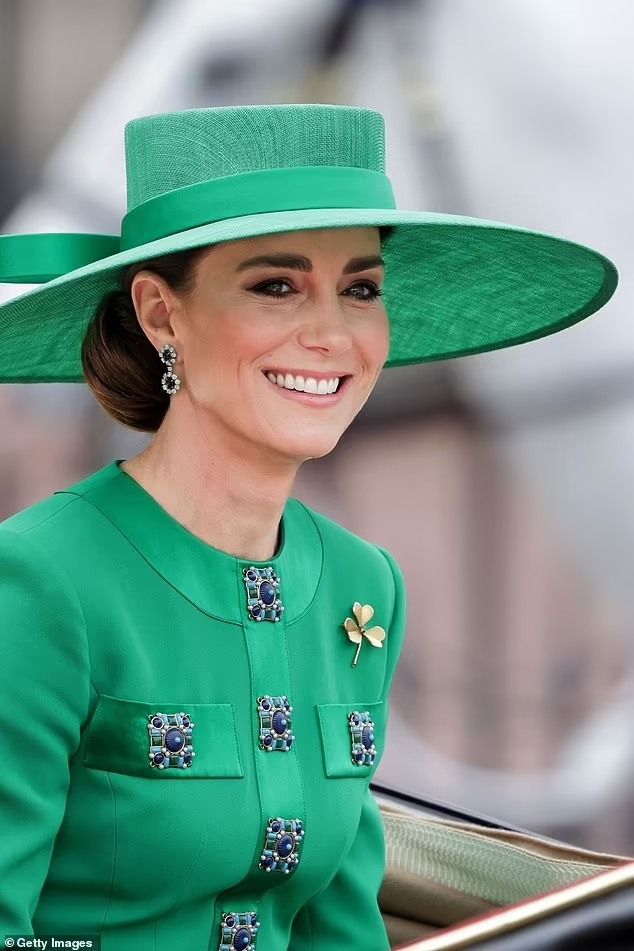
AI Algorithms Are Controlling Your Royal News Feed—Here's How
By YEET Magazine Staff | Updated: May 13, 2026
Let's cut through the noise: algorithms decide which royal stories you see. When Kate Middleton makes headlines, it's not random. Machine learning systems analyze engagement patterns, predict what keeps you scrolling, and amplify content accordingly. News outlets use predictive analytics to determine story angles, timing, and distribution channels. The result? Your perception of the Royal Family is algorithmically curated, not organically formed.
The Royal Family's media presence is now inseparable from automation. Every appearance, every health update, every family drama gets fed into recommendation engines that calculate virality potential. AI tools scan social sentiment in real-time, detect trending narratives, and feed fresh angles back to newsrooms. By the time you've formed an opinion about Kate's role in the monarchy, dozens of algorithms have already shaped what information reached you.
Traditional royal coverage relied on journalists deciding what mattered. Now? Data does. Sentiment analysis tools track public mood around the Royal Family. Predictive models forecast which stories will generate clicks, shares, and engagement. Content management systems automatically tag posts, adjust headlines, and optimize them for search algorithms. Kate Middleton's narrative isn't written solely by humans—it's optimized by machines.
The real story isn't Kate's rise within the monarchy. It's how AI-driven distribution systems amplify certain narratives while suppressing others. When news breaks, algorithms instantly calculate optimal posting times, audience segments, and platform-specific formatting. Engagement metrics feedback into the system, which learns what resonates and doubles down. Your feed isn't showing you what's most important—it's showing you what's most profitable to distribute.
Newsrooms now employ data scientists alongside journalists. They build dashboards tracking which royal stories perform best by demographic, time of day, and device type. Some outlets use AI to auto-generate headlines from trending keywords, testing dozens of variations to find the highest click-through rate. The Princess of Wales sells clicks. Algorithms know exactly how to package her story.
Media outlets use machine learning to predict future interest in royal topics before they trend. If algorithms detect rising searches about Kate's charitable work, systems pre-stage related content to capitalize on the spike. By the time you're consciously interested in a story, automated systems have already positioned themselves to feed you related content. It's not conspiracy—it's efficient capital allocation through AI.
The Automation Stack Behind Royal Coverage
Here's what's actually happening: Natural language processing extracts themes from millions of social media posts about the Royal Family. Computer vision identifies which royal photos generate the most engagement. Predictive analytics forecast which Kate Middleton stories will trend 48 hours before they actually spike. Publishers bid on ad space using algorithms that know her name drives traffic.
Distribution is fully automated now. When a story publishes, it hits multiple platforms simultaneously through APIs. Each platform's algorithm independently decides whether to promote it. Facebook's algorithm weighs engagement potential. Twitter's algorithm considers recency and authority. TikTok's algorithm predicts shareability. The story succeeds or fails based on machine decisions, not editorial merit.
Recommendation engines personalize royal news. If you've previously engaged with Kate Middleton content, algorithms prioritize similar stories in your feed. This creates echo chambers where your existing interests reinforce themselves. You think you're getting comprehensive royal news. You're getting algorithmically-selected royal news designed to match your predicted preferences.
Why This Matters for How You Understand the Monarchy
Your opinion about Kate's role in the Royal Family is shaped by algorithmic choices you'll never see. When she's portrayed as a "royal force," that framing might've been A/B tested by three different outlets. Headlines get rewritten by AI to maximize clicks. Stories get buried because algorithms predicted low engagement. The narrative you consume is engineered.
The future of royal coverage is fully automated. AI will generate initial draft articles from structured data. Algorithms will determine distribution strategy before human editors weigh in. Predictive systems will forecast controversy and pre-stage response content. By 2030, your royal news will be entirely processed through machine learning before a single journalist makes a decision.
The irony? We're more informed about royal happenings than ever. We're also more manipulated by algorithms than ever. Both things are simultaneously true.
Common Questions About Algorithmic Royal Coverage
How much of royal news is algorithmically generated vs. human-written?
Most headlines and social posts are human-written but algorithmically optimized. Initial articles increasingly use AI assistance for structure and angle-finding. Real-time updates often run through automation—think sports scores but for royal activities. Full AI-generated articles remain rare but growing.
Do algorithms favor positive or negative Kate Middleton coverage?
Neither. Algorithms favor *engaging* coverage. Positive stories about her charitable work and negative stories about controversies both perform well. Algorithms don't care about bias—they care about engagement metrics. The most neutral, boring stories die in feeds regardless of accuracy.
Can journalists bypass algorithmic filtering?
Not entirely, but they're learning to work within it. Smart journalists write headlines knowing what algorithms reward. They structure stories for featured snippets. They understand social media algorithms better than the platforms themselves. The best strategy? Write good stories *and* understand the machines distributing them.
Why do some royal stories trend while others disappear?
Prediction algorithms. If systems forecast low engagement, stories get deprioritized instantly. A health update trends because algorithms predict high emotional engagement. A policy announcement dies because algorithms predict low click-through. It's about data, not newsworthiness.
What's the bias in algorithmic royal coverage?
Algorithms bias toward engagement, virality, and user retention. They don't care about class perspective, accuracy, or democratic importance. A royal scandal outperforms royal policy every time. Algorithms amplify drama, not substance. The Royal Family becomes whatever generates clicks.
Will AI eventually replace royal correspondents?
Partially, yes. Breaking news updates will be fully automated. Analysis pieces might be AI-assisted. Human judgment on story selection will remain valuable—for now. But the labor required to staff royal coverage beats machines in cost-effectiveness. Expect major outlets to run hybrid human-AI teams.
Related Deep Dives Into Algorithmic Media
Check out our breakdown on how AI generates news articles and why newsrooms are automating faster than you'd expect. We also covered how recommendation algorithms create information bubbles and why your feed isn't showing you what you think it is. For the bigger picture on automation's impact on journalism careers, we traced how reporters are adapting to machines in the newsroom.