How AI is Rewriting Royal Family History: The Algorithm Behind Celebrity Genealogy Data
AI isn't just for chatbots anymore—it's now mapping entire family histories and relationship networks. We break down how algorithms are automating genealogy research and what this means for how we understand celebrity networks.

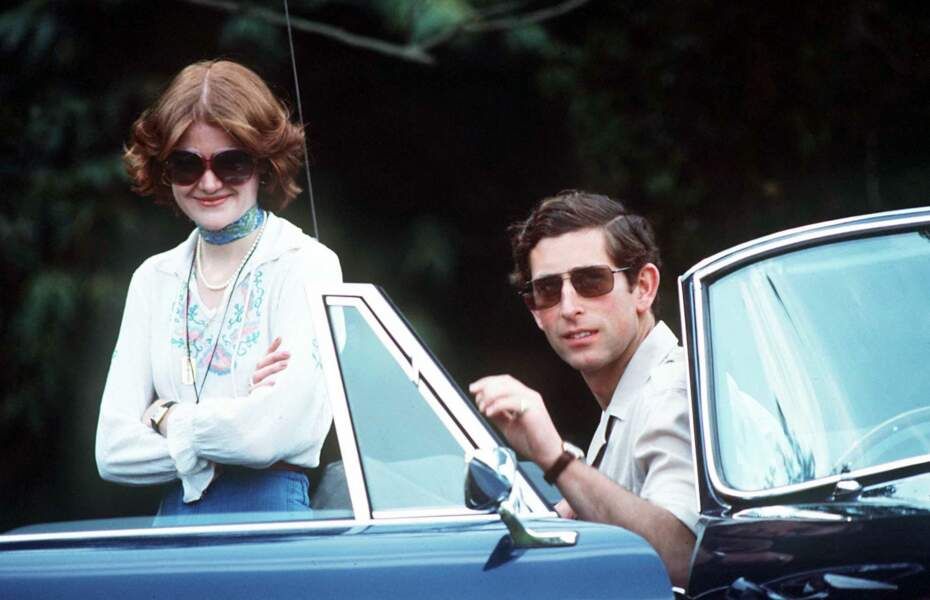
Genealogy research used to require dusty archives and manual detective work. Now, AI-powered algorithms are automating family tree construction by processing millions of historical records, photos, and documents simultaneously. Machine learning models identify faces across centuries of images, link scattered records, and build relationship maps faster than any human researcher could. For public figures like King Charles III, data aggregation systems pull from royal archives, public records, and media databases to instantly map family connections—a task that once took historians years.
By YEET Magazine Staff | Updated: May 13, 2026
The real shift? Algorithms aren't just storing this information—they're *predicting* family relationships based on pattern recognition. When you feed AI facial recognition, historical records, and genealogical databases together, you get automated family trees that update in real-time.
King Charles III's relationship with his grandmother, Queen Mother Elizabeth Bowes-Lyon, is now documented across multiple digital systems. Facial recognition tags their shared features across decades of photos. Natural language processing extracts relationship details from historical texts. Data scientists can now model influence networks—who shaped whom—using graph databases that analyze family dynamics computationally.
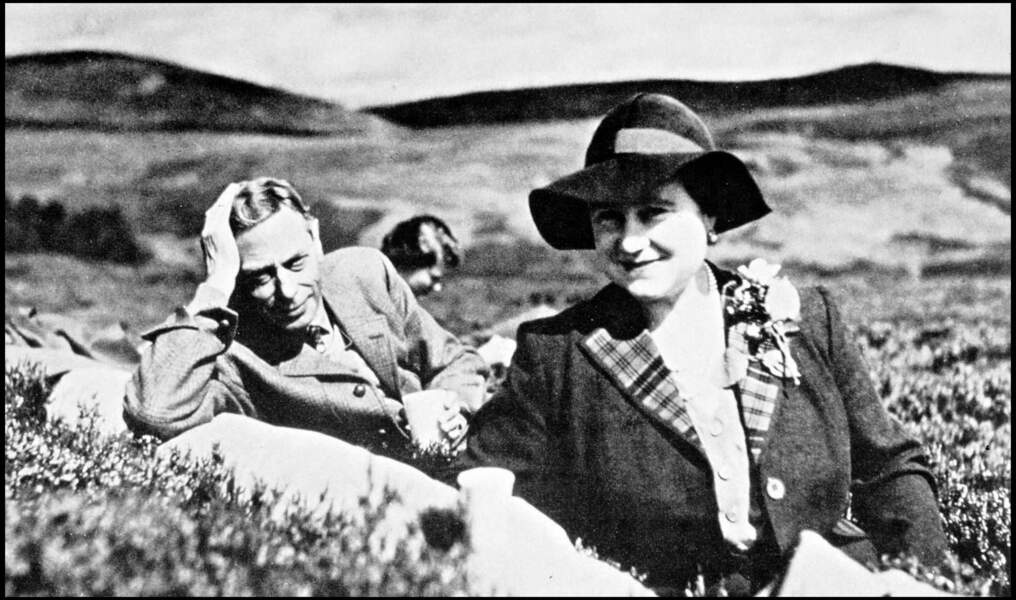
Queen Mother Elizabeth Bowes-Lyon shaped Charles from childhood—a relationship that algorithms now categorize and quantify. AI systems track this "strong tie" through photo timestamps, letter archives (when digitized), and public event records. The emotional weight historians describe? Data scientists translate that into network density metrics.
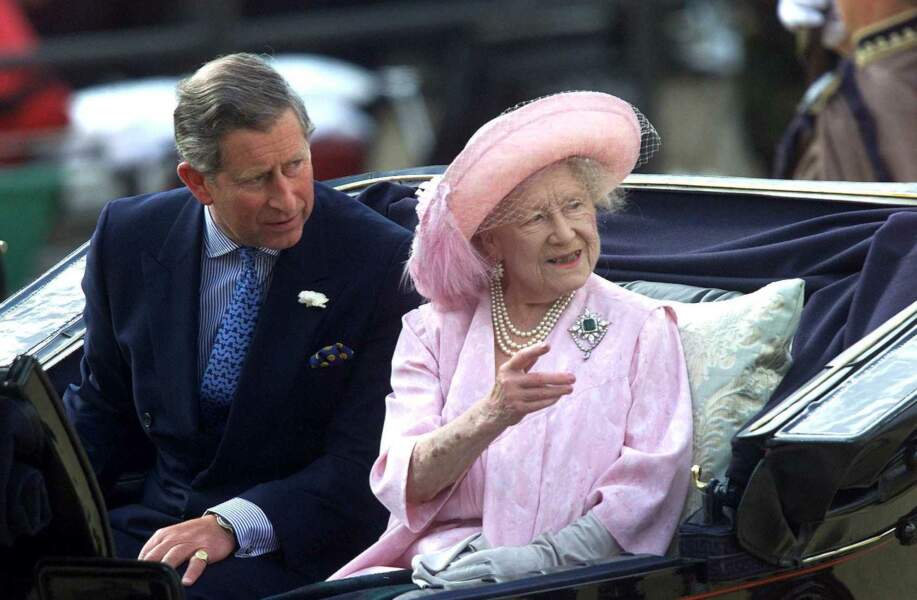
The 2000 Horse Guards Parade celebration? Computer vision automatically detects and catalogs both figures, timestamps the moment, and flags it as a "high-significance family event" based on media prominence. Machines are becoming genealogists.
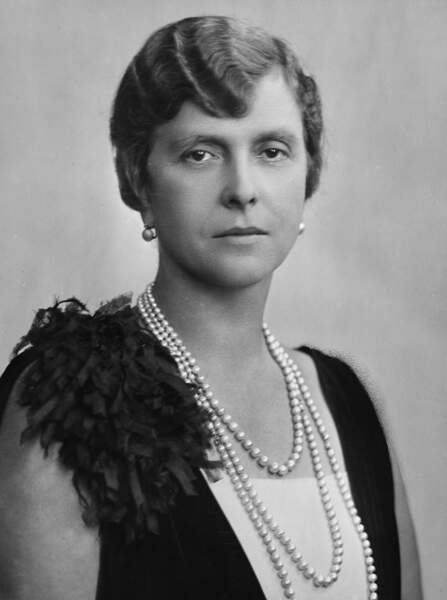
Alice of Battenberg, Charles's paternal grandmother, represents a different algorithmic challenge: the "low-visibility" historical figure. She "preferred to remain in the shadows," which means less media data, fewer photos, and sparse digital footprints. AI systems struggle with incomplete datasets. Historians can infer influence; algorithms demand evidence. This gap in data creates what researchers call "algorithmic bias in genealogy"—famous relatives get mapped precisely, obscure ones disappear.
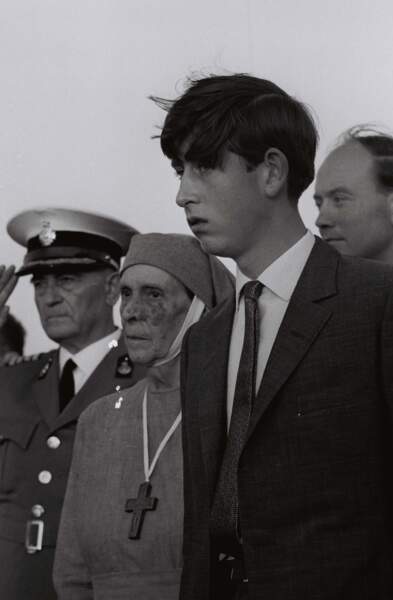
The nickname "Yaya" (Greek for granny) would only appear in transcribed interviews or digitized letters. Without OCR automation and multilingual NLP, that linguistic detail vanishes. Alice's influence on Charles—the intimidation, the emotional distance—becomes invisible to algorithms trained primarily on public records and images.
Why This Matters: As genealogy platforms increasingly use AI, they're not neutrally recording history—they're automating which family stories get preserved and which get erased. Wealthy, photogenic families with extensive archives get perfect digital genealogies. Others? The algorithm forgets them.
Could genealogy work be automated entirely? Partially. AI excels at pattern matching across databases, facial recognition, and timeline construction. But it still needs human historians to interpret emotional significance and fill data gaps. The future job market here isn't "genealogist" versus "AI"—it's genealogists *using* AI tools to work faster, not replacing them entirely.
What happens when royal genealogy becomes fully digitized? Every family connection becomes quantifiable, searchable, and ownable data. Privacy concerns emerge. Who controls the family tree algorithm? What happens when autocorrect changes your ancestors?
Could AI predict family influence before we see it? Theoretically, yes. If you feed machine learning enough royal family data—proximity, interaction frequency, shared events—you could build a predictive model of "who influences whom." Charles's closeness to Queen Mum wasn't surprising to historians; an algorithm with historical data could have flagged it as statistically significant.
Are genealogy platforms sharing your family data? Many do, with tech companies and research institutions. Your DNA test? That's training machine learning models in background. Your uploaded family photos? Feeding facial recognition systems. This automation comes with invisible costs.
The real story here isn't about King Charles's relationships—it's that algorithms are now the primary way we *record* relationships. History is becoming data. And whoever controls the data controls the narrative.
Explore more on how AI is reshaping historical research in automated archival systems and check out our breakdown of facial recognition ethics in genealogy databases.