How AI & Data Analytics Fuel Royal Gossip: The Algorithm Behind Celebrity Scandal Algorithms
Royal gossip spreads faster than ever thanks to AI-driven recommendation algorithms and automated content distribution. Here's how machine learning systems amplify unverified celebrity rumors and why the internet's gossip machine never sleeps.

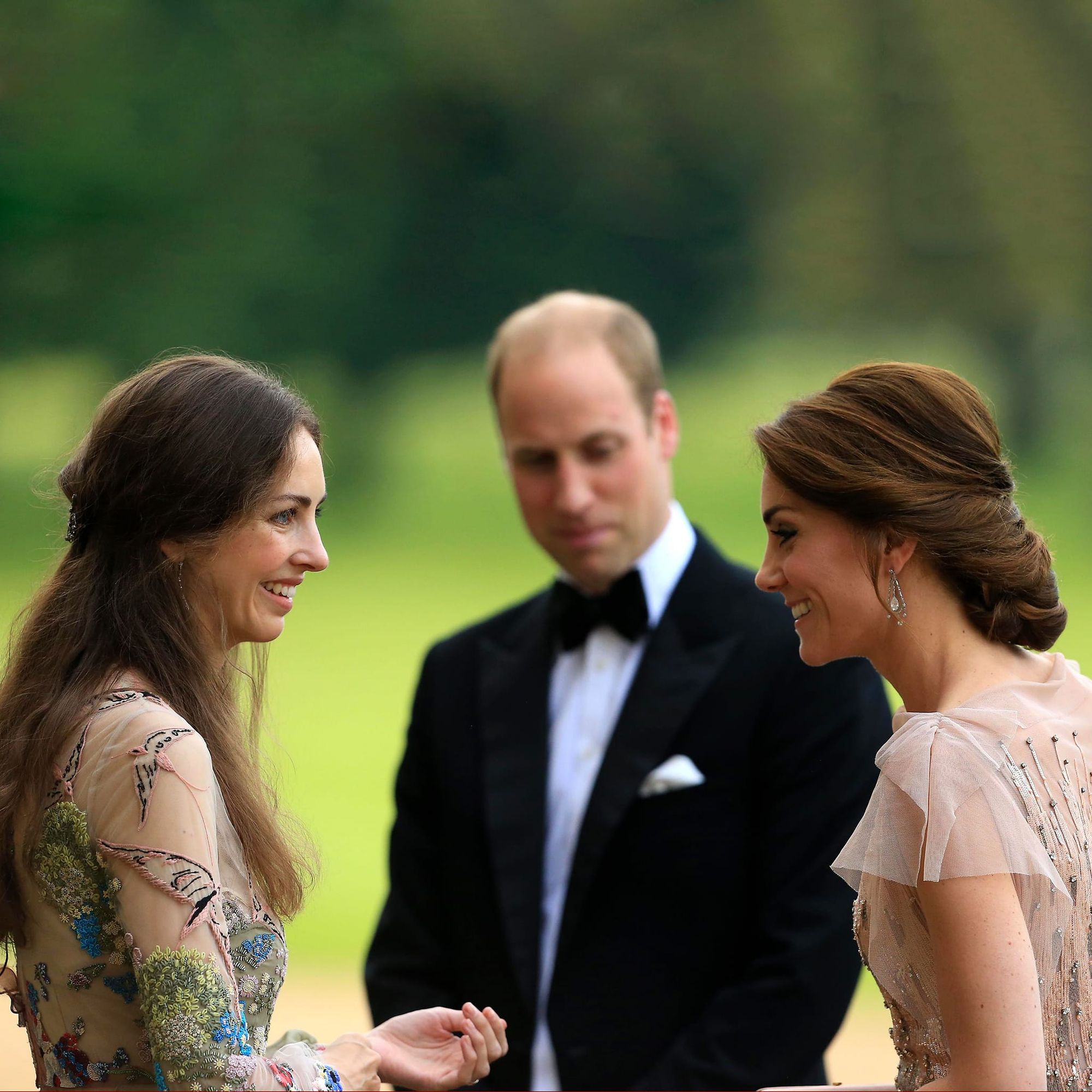
How AI algorithms and automated content distribution systems amplify celebrity rumors faster than fact-checking can catch them. When a celebrity rumor goes viral, it's rarely organic—recommendation algorithms, automated bots, and data-driven targeting systems work behind the scenes to push unverified stories into millions of feeds. AI doesn't care if something's true; it only cares if engagement spikes. This article explores how machine learning powers the celebrity gossip industrial complex.
By YEET Magazine Staff | Updated: May 13, 2026
The real story isn't about one person's alleged affair. It's about how AI recommendation engines decide what billions of people see. Platforms use algorithms trained on engagement metrics to surface the most inflammatory content. More drama = more clicks = more ad revenue. Automation takes it further: bots amplify posts, AI-generated summaries spread across feeds, and predictive algorithms serve this content to people most likely to share it. Rinse. Repeat. Profit.
Data analytics firms literally track which narratives gain traction. They feed this intelligence back to content creators, who then optimize headlines, imagery, and timing for maximum algorithmic boost. The cycle becomes self-reinforcing: AI predicts what'll trend, humans create content around that prediction, the algorithm amplifies it, and the "story" becomes real simply because enough people saw it.
Celebrity gossip used to require editors making judgment calls. Now? Machines make the calls automatically, 24/7, without ethical guardrails. An unverified rumor gets served to 100 million people before a fact-checker even wakes up.
The scary part: we can't see the algorithm working. We just see stories everywhere and assume they're important. We don't realize we're being shown exactly what a machine learned will keep us scrolling.
How Social Media Algorithms Weaponize Speculation
Modern platforms don't distinguish between verified news and tabloid gossip. Their algorithms treat them identically—just another data point to serve. Machine learning models predict which users are most likely to engage with celebrity drama, then target those specific segments with posts about alleged affairs, family feuds, and scandal.
Automated accounts amplify the signal. Bots share posts thousands of times, creating false impressions of virality. Humans see "everyone's talking about this" and jump in, unaware they're interacting with orchestrated algorithmic manipulation.
Meanwhile, data aggregators scrape every mention across the internet. They build datasets showing how rumors spread, which narratives stick, which demographic groups engage most with which stories. This data gets sold to publishers, marketing firms, and prediction platforms. Celebrity gossip has become a fully automated, data-driven industry.
The Engagement Optimization Trap
Platforms optimize for one metric: engagement. Unverified rumors drive more engagement than boring facts. An AI system trained to maximize clicks will always choose scandal over truth—because that's what the training data rewards.
Content creators adapt their behavior to this reality. They learn what the algorithm favors and produce more of it. Speculation becomes sensationalism. Speculation becomes narrative. Narrative becomes "what everyone knows."
This isn't conspiracy. It's just how optimization works. Feed an algorithm engagement metrics, and it'll find the most efficient path to maximize them. If that path involves spreading unverified celebrity rumors, the algorithm doesn't care.
Why Fact-Checking Can't Keep Up With Automation
A rumor spreads to 50 million people in 6 hours. A fact-check reaches 2 million in 48 hours. The math doesn't work. Automated systems move too fast. By the time humans verify or debunk something, it's already baked into millions of minds.
This is a structural problem, not a human one. You can't outrun automation with manual fact-checking. The algorithms have a built-in speed advantage.
Some platforms have started using AI to flag misinformation, but these systems have their own biases and errors. You're essentially fighting AI with AI—and the engagement-optimization AI wins more often because that's what it was designed to do.
The Data Trail Behind Every Viral Story
Every celebrity rumor leaves a data trail. When it trends, data scientists can see exactly which segments engaged, which platforms amplified it most, which times of day were optimal, which visual treatments performed best.
This information gets fed back into the system. Publishers learn: "Posts with photos in this format, shared at 2 PM on Tuesday, targeted to women ages 25-44, reached 3x engagement." They optimize based on this. The next rumor gets timed, formatted, and targeted accordingly.
Algorithms learn human psychology faster than humans understand themselves. They know which narratives trigger emotional responses. They know which storytelling techniques maximize shares. They know exactly how to engineer viral moments.
Automation Changes Everything (Even Rumors)
Before social media, rumors had natural speed limits. They spread through conversation, local gossip, printed tabloids. Slow. Expensive. Verifiable.
Automation removed all friction. A rumor now spreads globally in minutes. It reaches billions of people automatically. It gets repackaged, retargeted, and redistributed by algorithms constantly optimizing for engagement.
The rumor itself becomes less important than the algorithmic infrastructure amplifying it. You could replace the celebrity or the alleged scandal with any other narrative—the system would spread it with equal efficiency.
This is the future of information: optimized for engagement, distributed by automation, shaped by algorithms designed to maximize clicks over accuracy.
What Actually Happens Next
A rumor starts online. Algorithms detect engagement. Recommendation systems amplify it. Data scientists analyze which segments respond most. Optimization happens. The story reaches critical mass. Mainstream media picks it up (because engagement metrics make it look "important"). More people see it. More engagement. More algorithmic boost. The cycle continues until something newer replaces it.
At no point does truth-value matter. Only engagement metrics. Only algorithmic predictions. Only data-driven optimization.
This is how modern media works now—human judgment increasingly outsourced to machines that optimize for the wrong things.
FAQ
Can I see which algorithm decided to show me this story?
Nope. Most platforms keep algorithms proprietary. You'll never know exactly why you saw a particular rumor. That's intentional.
Do celebrities and their teams use algorithms to amplify their own narratives?
Absolutely. They hire firms that specialize in algorithmic amplification and data-driven PR. It's an arms race.
Can algorithms distinguish between true and false celebrity gossip?
They're getting better at detecting misinformation, but not because they care about truth. They're trained on engagement patterns. False rumors sometimes engage differently than true ones—sometimes.
Why don't platforms just ban celebrity gossip?
It's their most profitable content. Celebrity drama drives the most engagement, which drives the most ad revenue. The business model depends on it.
How does automation change how celebrities respond to rumors?
They have to fight algorithmic fire with algorithmic fire. A simple denial won't work—they need data-driven counter-narratives, optim