How AI Travel Algorithms Are Reshaping Vanuatu Tourism & Remote Work Destinations
AI-powered algorithms are revolutionizing how travelers discover and plan trips to destinations like Vanuatu. Machine learning now personalizes recommendations, automates bookings, and even predicts the best times to visit based on massive datasets.


AI algorithms are completely reshaping how we travel to places like Vanuatu. Instead of generic travel guides, machine learning now personalizes destination recommendations based on your behavior, preferences, and past bookings. Travel platforms use predictive algorithms to match you with the exact islands and activities you'll love, while automation tools handle booking confirmations instantly. Data analytics predict peak seasons, optimize pricing, and even suggest ideal times to visit based on weather patterns and crowd data. For remote workers considering Vanuatu as a base, AI now analyzes internet infrastructure, visa policies, and cost-of-living data across all 83 islands in seconds.
By YEET Magazine Staff | Updated: May 13, 2026
The travel industry's shift toward AI-driven personalization means platforms like Booking.com and TripAdvisor no longer just show you generic options. Their algorithms learn from millions of traveler decisions, automatically filtering accommodations, activities, and itineraries tailored to your profile. When you search for volcano hikes or diving spots, recommendation engines pull from massive datasets to surface exactly what you want.
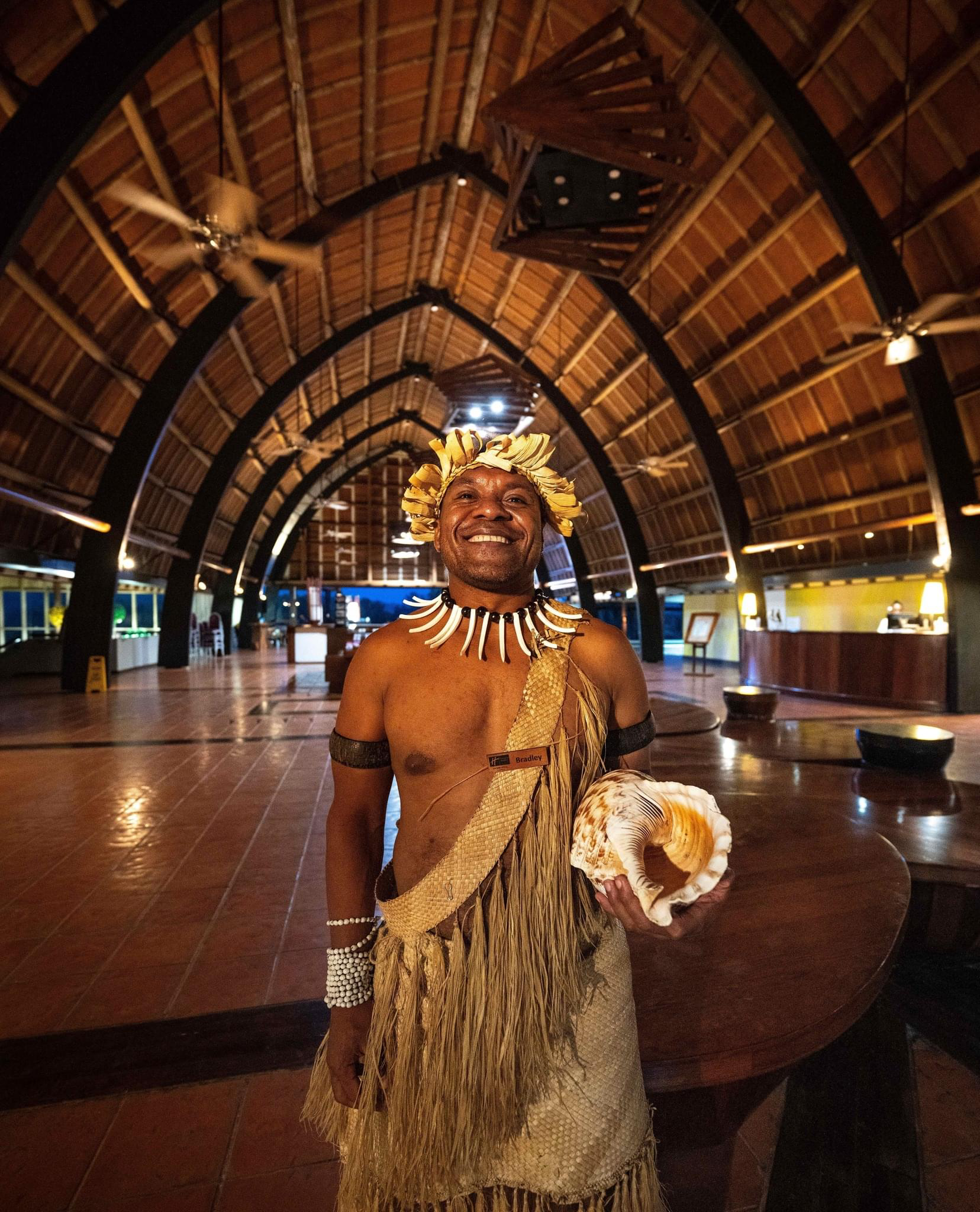
Why Vanuatu's Re-Opening Created a Data Goldmine for Travel Tech
When Vanuatu reopened its borders in July 2022, travel tech companies immediately started collecting behavioral data on which tourists went where. Machine learning models now process millions of data points—flight patterns, booking timelines, activity preferences—to understand the "ideal" Vanuatu traveler. This data shapes everything from dynamic pricing to targeted marketing campaigns.
Vanuatu's 83 islands create a perfect testing ground for AI recommendation systems. Each island has different infrastructure, activities, and appeal. Algorithms now segment travelers into personas: adventure seekers, remote workers, luxury vacationers, or culture enthusiasts. Your profile determines which islands get recommended first.

Smart Accommodation Matching Through Predictive Analytics
Forget scrolling through 500 hotel listings. AI now automatically filters accommodations based on your work-from-anywhere needs, budget, and location preferences. Platforms analyze WiFi reliability, power infrastructure, and co-working availability using crowdsourced data from previous visitors. Predictive algorithms flag which resorts are likely to have connectivity issues during rainy season.
Booking automation completes your reservation in seconds—no human intervention needed. Dynamic pricing algorithms adjust nightly rates based on demand forecasts, competitor pricing, and historical booking patterns. You might see different prices than your friend simply because the algorithm predicts different conversion probabilities for each user.
Activity Recommendations Powered by Behavior Analysis
Whether you want volcano eruption tours, jungle ziplining, or scuba diving, AI now predicts which experiences match your profile. Recommendation engines analyze what similar travelers did, their satisfaction ratings, and engagement patterns. If you booked a luxury resort, the algorithm assumes you'll pay premium prices for premium activities. If you're a budget backpacker, it surfaces sustainable, lower-cost adventures.
Computer vision AI now processes Instagram photos and travel blogs, automatically tagging and categorizing activities, landscapes, and destinations. This data feeds back into recommendation systems, creating a feedback loop that constantly refines what gets suggested to whom.

Remote Work and Digital Nomad Optimization
Vanuatu is becoming a hotspot for remote workers, and AI is optimizing this trend. Algorithms now calculate "digital nomad scores" for each location by analyzing internet speed data, visa flexibility, cost-of-living indexes, and proximity to co-working spaces. Platforms like Nomad List use machine learning to identify emerging destinations before they become overcrowded.
For companies managing distributed teams, AI tools now recommend which remote work destinations will maximize productivity and retention. If your team is burning out, algorithms suggest that a Vanuatu retreat makes financial and operational sense.
Predictive Weather and Optimal Travel Timing
Machine learning models now forecast tropical weather with stunning accuracy, allowing algorithms to recommend the absolute best times to visit each island. Instead of general "dry season" advice, AI predicts specific weeks when conditions align with your planned activities. Natural language processing analyzes past traveler reviews mentioning weather, cross-referencing with meteorological data to improve predictions.
Dynamic itinerary engines automatically reschedule your activities if weather algorithms detect incoming storms. Your snorkeling trip gets bumped to a different day, and your volcano tour moves up—all automatically coordinated with vendors through API integrations.
The Data Privacy Trade-Off
All this personalization requires massive amounts of personal data. Travel platforms track your searches, clicks, booking history, payment methods, and even your real-time location. While convenient, this surveillance capitalism model raises questions about who owns your travel data and how it's being used beyond recommendations.
AI companies are already selling aggregated travel insights to hotel chains, tour operators, and destination marketing boards. Your anonymized behavior becomes valuable market intelligence. The more you use AI travel tools, the more your preferences shape the industry's understanding of "demand."
Future: Autonomous Travel Planning Agents
The next frontier is AI agents that handle your entire trip autonomously. Imagine telling an AI: "