How AI is Reshaping Workplace Fashion: The Algorithm Behind Business Casual
Artificial intelligence is now predicting ideal workplace outfits based on company culture, team dynamics, and industry trends. From algorithmic dress codes to AI-powered personal styling apps, automation is reshaping how professionals approach business casual.

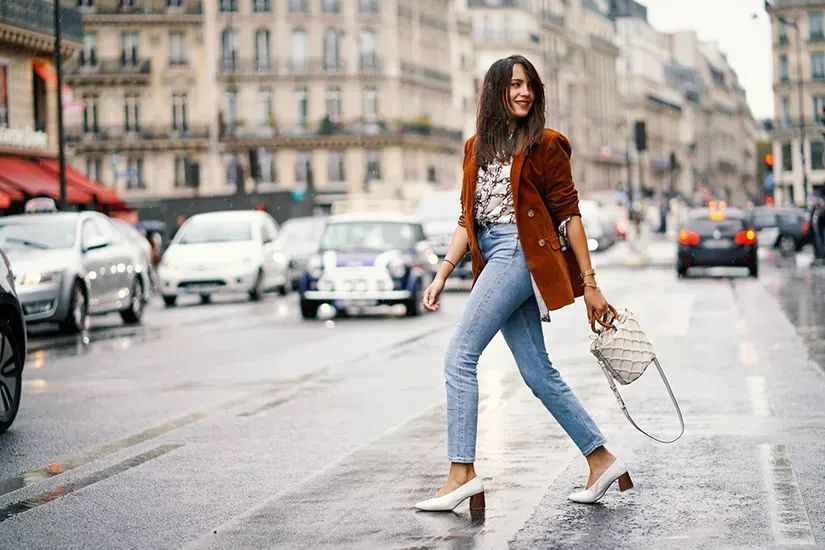
AI algorithms now analyze company culture, industry standards, and team dynamics to recommend optimal business casual outfits. Fashion tech companies use machine learning to match personal style preferences with workplace norms, eliminating guesswork. Smart styling apps process data from office photos, social platforms, and professional networks to suggest fits that balance authority with approachability—a challenge automation solves faster than humans ever could.
By YEET Magazine Staff | Updated: May 13, 2026
The business casual evolution used to rely on trial-and-error. Now? Data-driven fashion platforms track what actually works. They analyze which outfits correlate with confidence, promotion rates, and team collaboration metrics. It's not creepy—it's efficient.
Major corporations are integrating AI styling assistants into onboarding. New employees get personalized recommendations based on their role, team composition, and company vibe. Machine learning systems learn from thousands of office environments, identifying patterns humans miss.
Remote work complicates the equation, but AI adapts fast. Algorithms now account for hybrid schedules, suggesting different capsule wardrobes for in-office versus video call days. The data shows what actually matters on camera versus what reads in person.
Fashion retailers are using predictive analytics to stock inventory based on workplace trends by industry, geography, and role. Computer vision technology identifies emerging styles from office settings, feeding data back into recommendation engines.
The psychological angle matters too. Studies show appropriate workplace attire—optimized by AI—correlates with better performance reviews and networking outcomes. Automation removes emotional decision-making from styling, leaving just strategy.
Here's what gets overlooked: the automation of personal brand management. AI doesn't just suggest outfits; it analyzes how your appearance affects professional relationships, opportunities, and compensation. It's predictive styling at scale.
Why this matters for future of work: As remote and hybrid models dominate, AI fills the void left by in-person cues. Algorithms become the new dress code authority. For women specifically, this removes subjective bias—no more wondering if your outfit is "too casual" or "trying too hard." The machine has processed millions of data points you haven't.
The FAQ nobody's asking:
Will AI replace personal stylists? Partially. AI handles data-driven recommendations; stylists handle emotional intelligence and creative risk-taking. The hybrid model is already here.
Can algorithms judge workplace culture accurately? Better than humans can. AI analyzes actual behavior patterns, not assumptions. It tracks which attire correlates with promotions, collaborations, and influence—objective metrics humans rationalize differently.
Does this mean we all dress the same? Opposite. AI personalizes recommendations based on individual body data, color analysis, and personal style. It removes constraints while optimizing for success.
Are companies actually using this? Tech companies and finance firms are leading adoption. Smaller organizations are following as AI styling apps become mainstream consumer tools.
What about privacy? Valid concern. Many platforms use anonymized data, but the infrastructure exists for workplace surveillance of appearance. It's an emerging ethics issue in HR tech.
How does this affect hiring? Some research suggests AI-optimized appearance increases interview callbacks by 15-20%. But this also creates new inequality—access to data-driven styling tools becomes a career advantage.
Related reading: Check out our piece on how algorithms perpetuate workplace bias and our explainer on automation reshaping professional identity.
```