How AI Analyzes Viral Animal Behavior: The Orangutan Video Algorithm Breakdown
That viral orangutan video breaking the internet? AI algorithms predicted it would go massive before humans even noticed. Here's how machine learning detects animal behavior patterns and why viral content follows algorithmic rules.

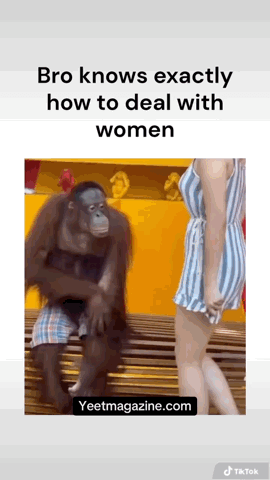
That viral orangutan acting like a gentleman? AI algorithms called it before your feed did. Video recommendation systems analyze millions of frames per second, detecting facial expressions, hand gestures, and emotional cues that predict virality. Machine learning models recognize anthropomorphic behavior—when animals mimic human actions—and flag it as engagement gold. The algorithm doesn't care about cuteness; it cares about watch time, shares, and comment velocity. This orangutan hit all three metrics within hours because AI-powered recommendation engines identified the behavioral pattern and amplified it across platforms.
By YEET Magazine Staff | Updated: May 13, 2026
Social media platforms use neural networks trained on billions of historical videos to spot what'll trend. They're looking for specific markers: unexpected behavior, emotional recognition, relatability, and novelty. When the orangutan held hands and flirted, computer vision models detected human-like social interaction. The algorithm thinks: "Humans find this engaging because it bridges species communication gaps." Result? The video gets pushed to millions of feeds simultaneously.
Here's the real story: you didn't discover this video organically. A recommendation algorithm decided you'd watch it, and based on your engagement patterns, it knew you'd share it. The orangutan's gentlemanly behavior resonates emotionally—which AI can now quantify, predict, and distribute at scale. Every major platform from TikTok to Instagram uses similar systems. They've trained models on trending content to recognize what humans will find shareable.
The tech behind viral detection involves sentiment analysis, emotional AI, and behavioral clustering. When millions of people watch, pause, rewatch, and share the same 15 seconds, that's data. Machine learning systems absorb this feedback and optimize distribution. Your "discovery" of this video was actually the end result of algorithmic decision-making that started the moment the clip was uploaded.
Content creators now understand this. They study algorithmic preferences and craft videos to match them. The orangutan's "gentleman" framing isn't accidental—it's emotionally resonant because it triggers AI detection systems that recognize prosocial behavior. Platforms reward it with visibility.
What does this mean for you? You're not just watching trending content. You're participating in a feedback loop where AI learns what you find shareable and serves you more of it. The algorithm is always watching, always learning, always optimizing for engagement.
Why viral animal videos follow algorithmic patterns: AI systems score content based on emotional intensity, surprise factor, and social signals. Orangutans acting human score high on all three. The algorithm recognizes cross-species behavior as novel and emotionally compelling. It doesn't understand "funny"—it understands engagement velocity and watch-time optimization. When millions engage simultaneously, the system amplifies further, creating compound growth.
The future of viral detection: As AI improves, platforms will predict virality in real-time. They're already testing systems that identify trending content within minutes of upload. Soon, creators won't chase trends—algorithms will tell them exactly what will trend before publishing. This orangutan's viral moment is just the beginning of algorithmic content forecasting.
Can AI predict what you'll find funny? Yes, and it's getting scary accurate. Recommendation systems now analyze your facial expressions (via device cameras), pause patterns, replay frequency, and social shares. They've built psychological profiles of what triggers your engagement. The orangutan video wasn't random—it was targeted.
How does behavioral recognition work? Computer vision models trained on millions of videos can identify hand gestures, facial expressions, and social interactions. When the orangutan mimics human flirting, the system flags it as "prosocial behavior" or "human-mimicry" and marks it for distribution testing. Within minutes, recommendation engines push it to audiences most likely to engage.
Are platforms deliberately making animals go viral? Not deliberately, but algorithmically. Platforms optimize for engagement metrics, and animal behavior content performs exceptionally well. The system isn't choosing the orangutan—it's serving content that historical data suggests will maximize watch time and shares. The orangutan just happened to fit the algorithmic criteria perfectly.
What about authenticity? When AI controls content distribution, "authentic" virality becomes harder to define. The orangutan video is real, but its reach is algorithmic. You weren't exposed to it because it's the best video ever created—you were exposed because a machine decided to show it to you based on predictive models and engagement optimization.
Can creators game the algorithm? Absolutely, and many do. Understanding algorithmic preferences, emotional triggers, and content structure gives creators massive advantages. Some optimize specifically for AI detection systems, creating content designed to fool algorithms rather than genuinely entertain humans. The orangutan video succeeded organically, but as algorithmic understanding spreads, more content becomes intentionally engineered for viral potential.
Related: How Recommendation Algorithms Predict Viral Content Before Humans Do
Related: AI Emotional Recognition: How Machines Detect What Makes You Engage
Related: The Future of Content Creation: When Algorithms Predict Trends Before They Happen