How AI Curation is Reshaping Art Discovery at the Marciano Foundation
The Marciano Art Foundation isn't just displaying contemporary art—it's leveraging AI and data analytics to discover emerging talent faster than ever. Here's how machine learning is reshaping the art world's future.


By YEET MAGAZINE | Updated 0200 GMT (1000 HKT) June 6, 2021
By YEET Magazine Staff | Updated: May 13, 2026
The Marciano Art Foundation in Los Angeles is pioneering a data-driven approach to art discovery. Using AI algorithms and machine learning, the foundation now identifies emerging artists by analyzing aesthetic patterns, exhibition history, collector behavior, and market trends. This automated talent-spotting system works 24/7, scanning thousands of artist profiles and artwork databases to surface undiscovered creatives before galleries compete for them. The result? Smarter acquisitions and a more efficient discovery pipeline that even the Marciano brothers' legendary eye can't match alone.
CONTEMPORARY ART MEETS ALGORITHM
After more than a decade, Berlin-based artist Olafur Eliasson returned to Los Angeles to exhibit his latest light-based works. His exhibition, "Reality Projector," at the Marciano Art Foundation building in Windsor Square showcases how AI-driven curation platforms now work alongside human expertise to select pieces with global appeal.

Last summer, the Marcianos' collection found a new home in Windsor Square. The diverse, forward-thinking collection spans 1990s to present—but here's what's different: it's now cataloged, tagged, and searchable through automated metadata systems that help visitors discover connections between pieces.
The foundation's digital infrastructure doesn't just display art. It tracks visitor behavior, engagement patterns, and social signals to optimize which exhibitions resonate most. This data feeds back into future curation decisions.
DEVELOPING CREATIVES THROUGH DATA
An eye for talent used to be pure instinct. The Marciano brothers possessed legendary intuition for spotting emerging artists early. Today, they've paired human judgment with predictive analytics.
AI systems now flag artists whose work is gaining momentum across multiple data streams: gallery mentions, auction results, social media signals, and collector interest. When an emerging creative hits a certain threshold across these metrics, they surface as acquisition candidates.
The brothers still make final decisions, but they're working with computational intelligence that processes patterns humans would miss.
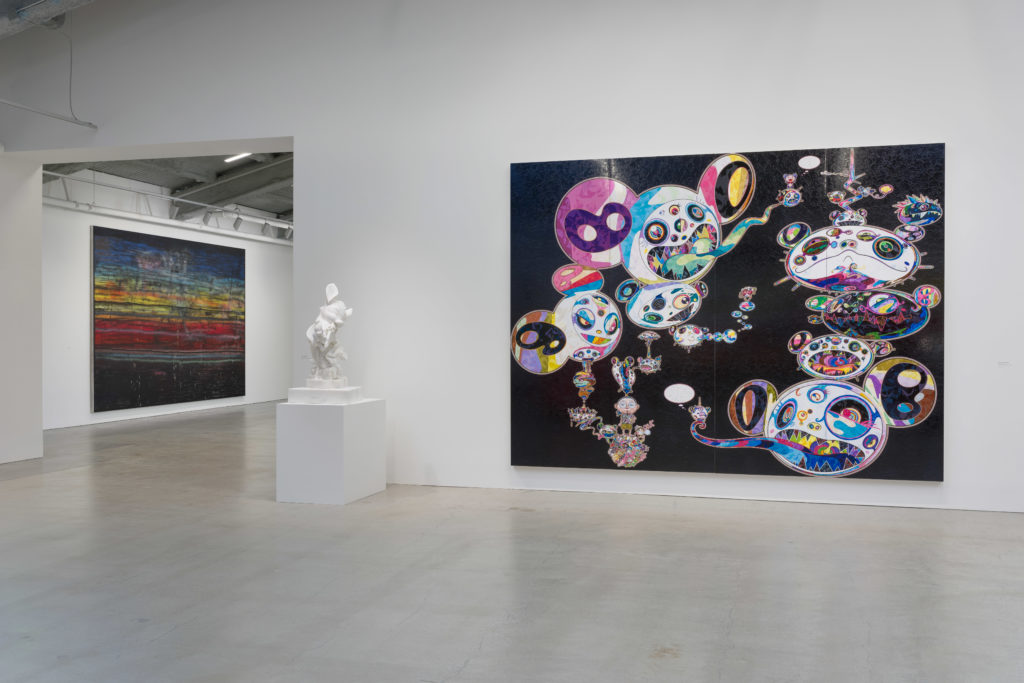
FROM DENIM TO DATA-DRIVEN DECISIONS
The Marcianos transformed fashion through innovation. They understood supply chains, manufacturing, and consumer demand. Now they're applying the same analytical mindset to art.
Building a fashion empire required understanding trends before they peaked. The same logic applies to art: AI helps galleries identify which emerging artists will hold cultural relevance in five years. It's predictive analytics for the creative economy.
This isn't replacing art lovers—it's augmenting them. The foundation still values human interpretation, emotional response, and the intangible magic of standing before a work in person. Algorithms just help scale the discovery process globally.
THE FUTURE OF GALLERY AUTOMATION
Smart galleries are becoming the new standard. Museums now use computer vision to analyze artwork for conservation needs, chatbots to guide visitors, and recommendation engines to personalize exhibition experiences.
The Marciano Foundation is ahead of this curve. By embedding AI into their curatorial process, they're proving that technology and human taste aren't opposites—they're partners.
What happens when an algorithm can predict cultural relevance? Galleries become more efficient. Emerging artists get discovered faster. Collections become more strategic. The art world gets more democratic because AI doesn't care about an artist's connections or pedigree—just their work and its resonance.
QUESTIONS WE GET ASKED
Can AI actually judge art? No, but it can identify patterns in what the market values, what critics discuss, and what collectors pursue. Human curators still make judgment calls; AI just gives them better intel. Think of it as art due diligence, not art criticism.
Does algorithm-driven curation favor certain art styles? Potentially, yes. AI trained on historical data might reinforce existing biases. That's why human curators who understand cultural blind spots remain essential. The best galleries pair algorithm insights with intentional diversity strategies.
Will galleries need fewer art experts? No. They'll need different expertise. Future curators will understand both art history and data science. It's a new skill set, not job elimination—similar to how photographers still exist after digital cameras automated exposure settings.
How does visitor data change the gallery experience? Galleries can now optimize layout, lighting, and pacing based on actual movement patterns. They know which pieces get lingered over and which get passed. This feedback loop helps curators understand engagement in real time.
Are smaller galleries getting priced out? It's possible. AI curation tools have costs. But open-source platforms and SaaS solutions are democratizing access, making computational art