How AI and Automation Made the World's Richest 58 Billionaires—And What It Means for Your Job
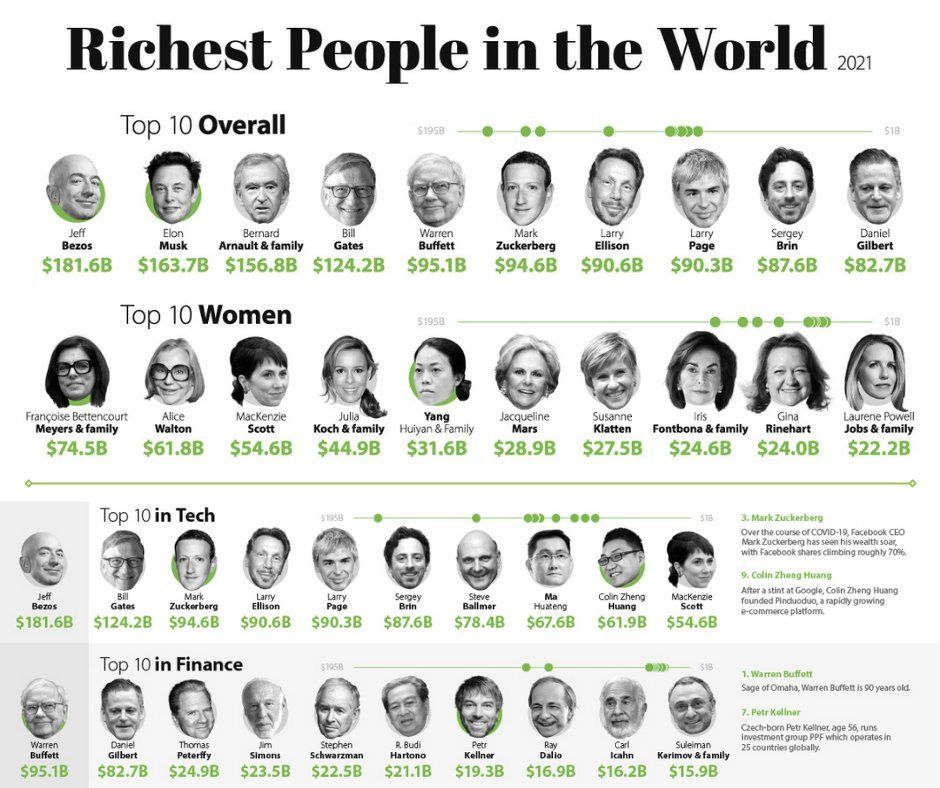
The world's 58 richest people didn't get rich by accident—most built empires on AI, algorithms, and automation. Here's the list, how they made it, and what it means when a handful of people control the tech reshaping your job.

BUSINESS - WEALTH - MONEY - WORK - AUTOMATION
By YEET Magazine Staff | Updated: May 13, 2026
By Daniel Kaplan | YEET MAGAZINE | Posted on September 17, 2021 at 7:32 am
How AI and Automation Made the World's Richest 58 Billionaires
The short answer: Most of the world's richest people built their fortunes on technology, algorithms, and automation. Elon Musk (Tesla, SpaceX), Jeff Bezos (Amazon's logistics algorithms), Mark Zuckerberg (Facebook's ad targeting), and others leveraged AI and data to scale empires faster than traditional business ever allowed. Now that same automation is replacing jobs. When billionaires control the tools reshaping work, wealth concentration explodes.
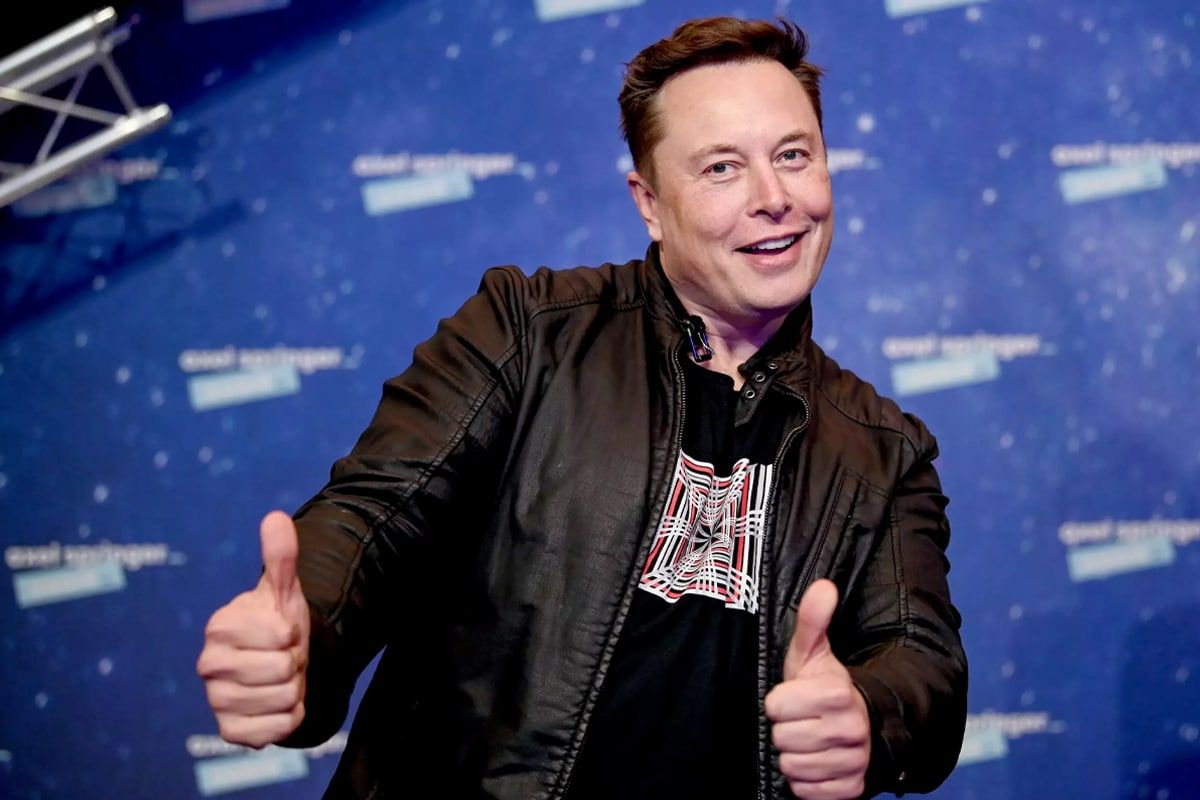
Life is good for SpaceX owner and Tesla CEO Elon Musk. Britta Pedersen/Pool via AP
Fortunes can be made and lost in a day in our global economy. The Bloomberg Billionaires Index ranks the world's 500 richest individuals. But here's what they don't tell you: most of the top 10 didn't just have good ideas. They built algorithmic moats—systems powered by AI and data that made competition nearly impossible.
Amazon didn't just become a store. Bezos weaponized logistics algorithms that no competitor could replicate. Tesla didn't just make cars—Musk's automation obsession cut manufacturing time down while rivals were still hiring humans. Meta (Facebook) didn't build a social network; Zuckerberg built an algorithm that knows you better than you know yourself, then sold that data to advertisers.
The pattern is clear: billionaires got rich by automating, optimizing, and scaling faster than everyone else. Now that same technology is eliminating middle-class jobs. The irony? The people who profit most from automation are the ones least affected by job loss.
Why This Matters for Your Career
When a handful of people control the AI and automation reshaping entire industries, wealth doesn't spread—it concentrates. A truck driver displaced by self-driving tech doesn't get Tesla stock. A warehouse worker replaced by robots doesn't own Amazon. Meanwhile, Musk and Bezos get richer.
The richest 58 people on Earth didn't just accumulate money. They accumulated systems—algorithms, data pipelines, and automated workflows that generate wealth without proportional labor. That's the real wealth gap.
Many of the people on the billionaire list are active philanthropists, sure. But charitable giving is voluntary and often comes with tax benefits. The real question is whether wealth concentration at this scale—powered by automation and AI that affects everyone—is sustainable.
Honorable Mention: Laurene Powell Jobs — $21.2 Billion
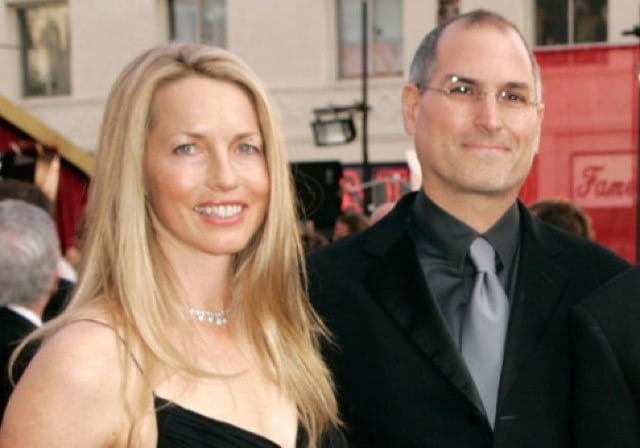
Laurene Powell Jobs in 2016. Pablo Martinez Monsivais/AP Photo
Nationality: American
Born: Nov. 6, 1963 (age 57) in West Milford, New Jersey
Spouse: Steve Jobs (m. 1991 until his death in 2011)
Children: 3
Industry: Media and Technology (inherited from Apple co-founder Steve Jobs)
Powell Jobs inherited her wealth when Steve Jobs died in 2011. But she's kept it (and grown it) by investing in media, tech startups, and education initiatives. She understands that in the AI era, controlling information and education shapes power.
Note: Rankings based on the Bloomberg Billionaires Index, data updated through Jan. 7, 2021.
What You Need to Know
Self-made or inherited, most billionaires got wealthy by riding one wave: the internet, smartphones, e-commerce, or social media. The next wave is AI and automation. The people who control those tools will become even richer. The people whose jobs get automated? They're on their own.
The question isn't really "who are the richest people?" It's "who controls the algorithms that determine your salary, your job security, and your future?"
That answer is usually the person at the top of the billionaires list.
Common Questions
How much wealth do the top 58 billionaires actually control?
Combined, the world's richest 58 people control roughly $5+ trillion in assets. That's more than the GDP of most countries. Most of that wealth is tied up in stock (tech companies, mostly), which means their power increases as AI and automation make those companies more valuable.
Can