How AI is Automating Luxury: Inside Burj Al Arab's Smart Hotel Technology
Burj Al Arab isn't just opulent—it's a data-driven machine. Behind the gold-plated fixtures and Icelandic duck feathers lies sophisticated AI powering guest experiences, predictive maintenance, and personalized service at scale.

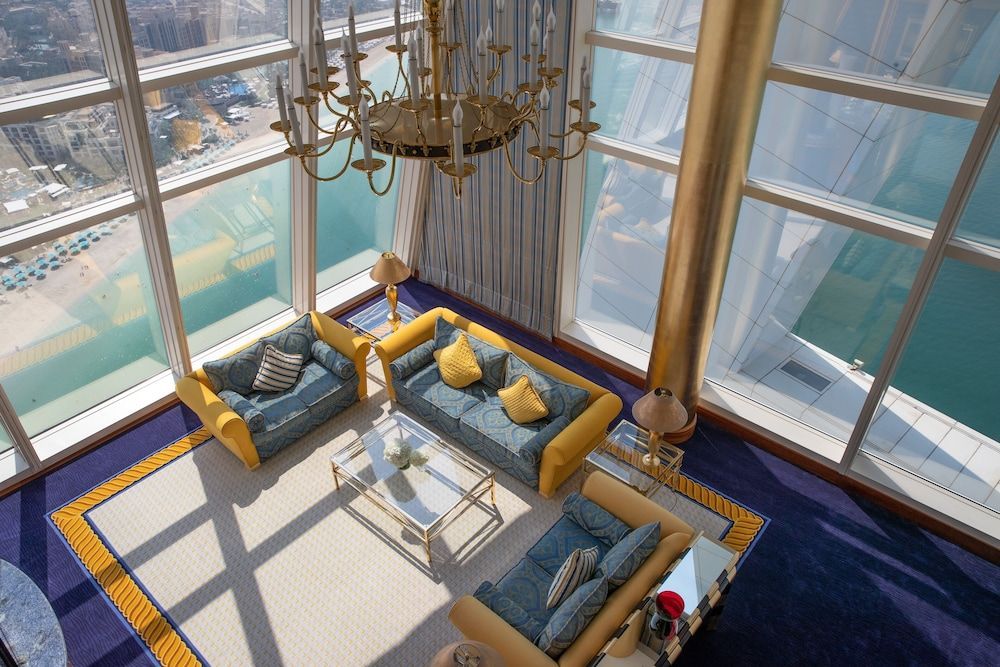
Burj Al Arab's legendary luxury isn't just about aesthetics—it's powered by AI and automation working behind the scenes. The hotel uses predictive algorithms to anticipate guest needs before they ask, automated systems manage everything from climate control to personalized dining recommendations, and data analytics optimize every touchpoint. This is hospitality's future: technology so seamless it feels like magic.
By YEET Magazine Staff | Updated: May 13, 2026
In the heart of Dubai, opulence meets intelligence. The Burj Al Arab doesn't just offer 24-karat gold showers and Icelandic duck feather duvets—it leverages machine learning to predict what ultra-high-net-worth guests will want before they realize it themselves.
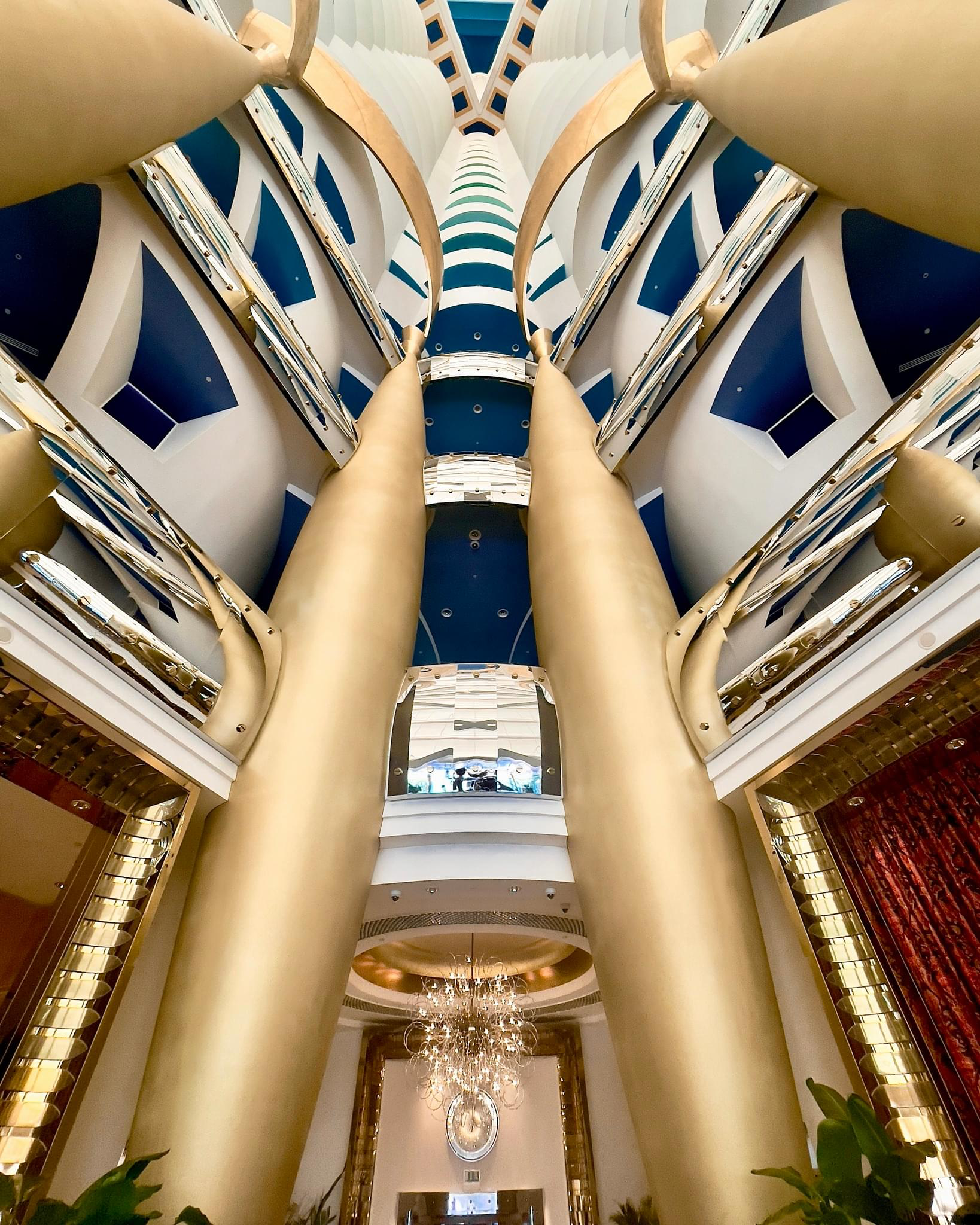
How Data Powers Ultra-Luxury Personalization
Luxury hotels operate on data. Burj Al Arab collects guest preferences—room temperature, dining habits, activity schedules—and feeds this into machine learning models. The system learns that Guest A prefers their cappuccino at 6:47 AM or that Guest B likes the suite cooled to exactly 68°F at 10 PM.
AI algorithms analyze booking patterns, past stays, and even social media signals to curate bespoke experiences. Your afternoon tea? Customized by predictive algorithms. Your room setup? Automated before you arrive. This isn't nosiness—it's algorithmic hospitality.
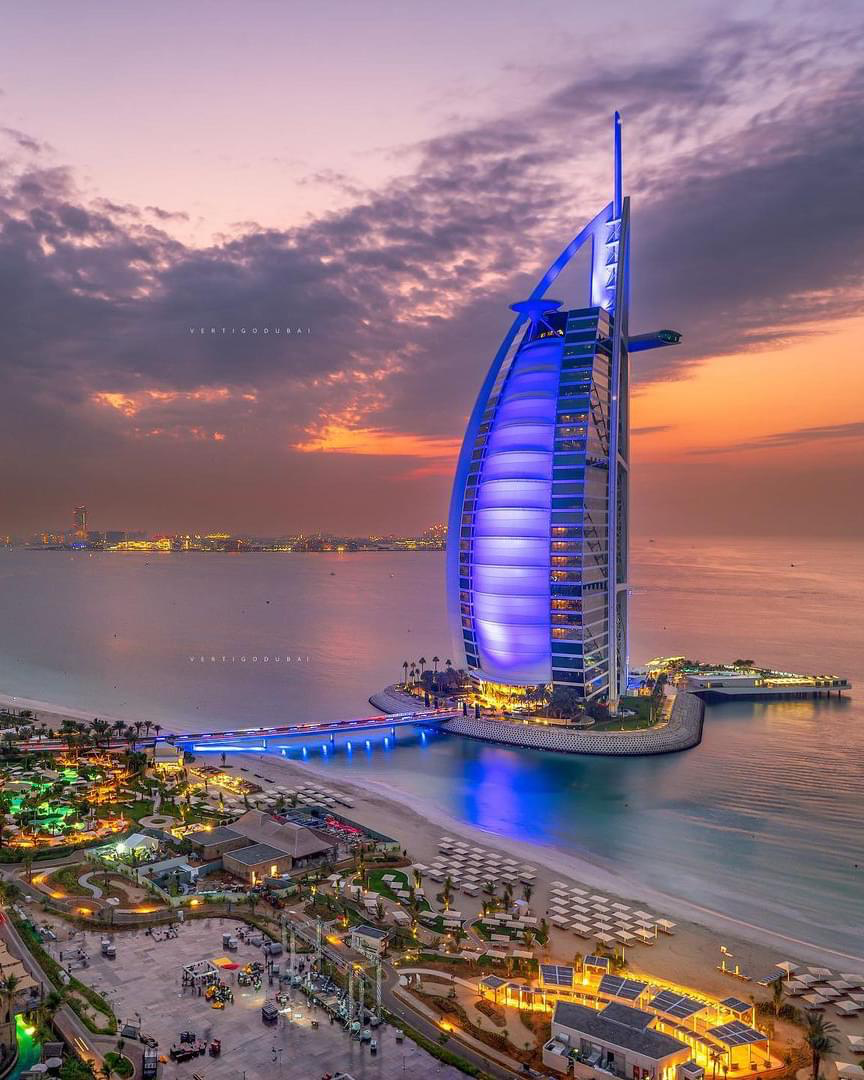
The Automation Behind the Gold
Those gold-plated fixtures and luxe amenities? The infrastructure supporting them is fully automated. Smart building systems manage energy consumption, IoT sensors monitor equipment health in real-time, and predictive maintenance algorithms schedule repairs before anything breaks. The staff you see is augmented by invisible automation handling logistics, inventory, and scheduling.
Staff spend less time on manual tasks and more time on high-touch service—the human element that justifies the $10,000+ nightly rates. Automation handles the repetitive work; humans deliver the magic.
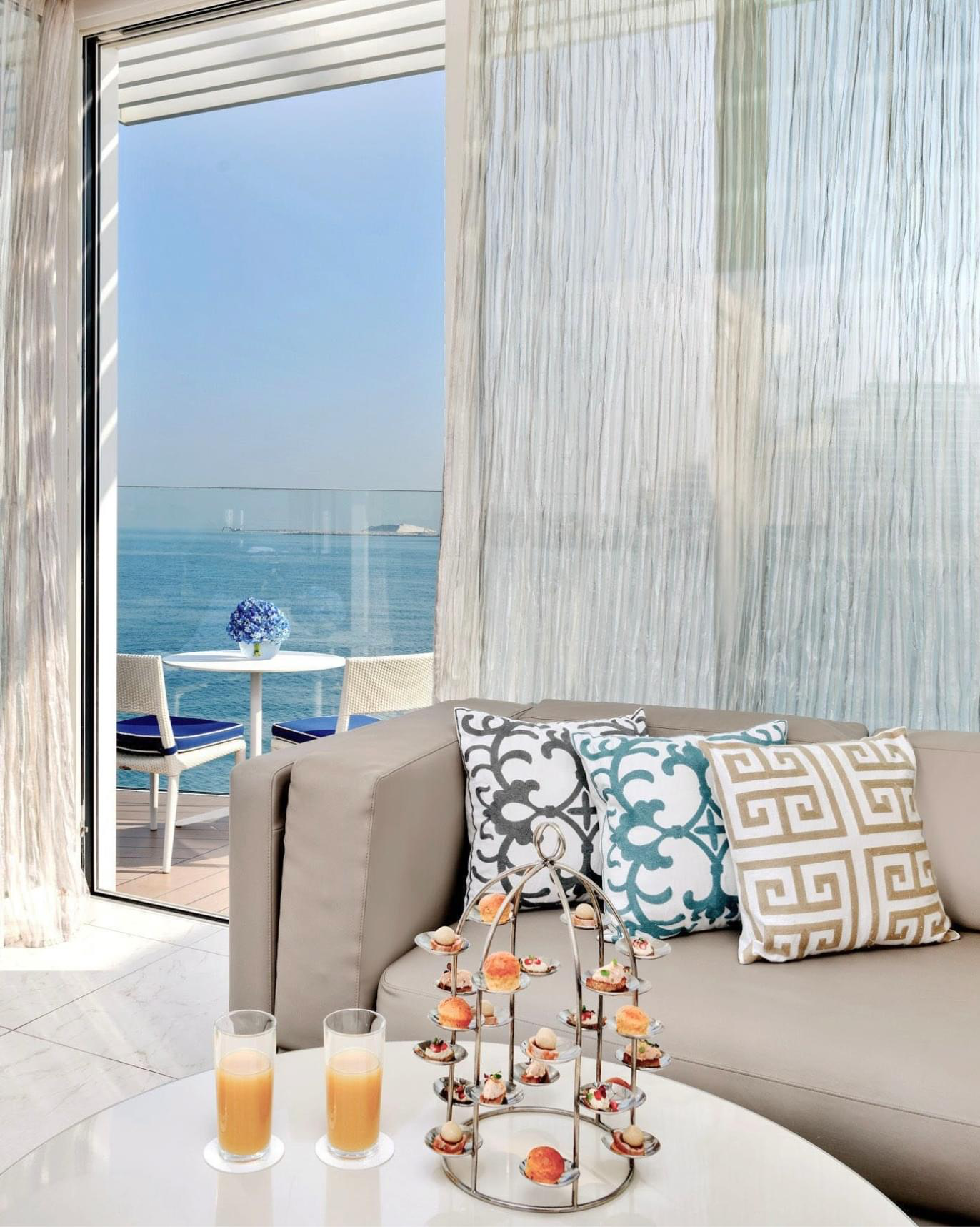
Revenue Optimization Through Algorithm
Dynamic pricing isn't new, but Burj Al Arab takes it further. AI analyzes demand patterns, competitor rates, guest segmentation, and even weather forecasts to set room prices in real-time. One night might be $9,500; another might be $15,000—all driven by algorithms optimizing revenue.
These systems also predict which guests are likely to upgrade, which services they'll purchase, and how to upsell without being pushy. It's capitalistic AI dressed in five-star hospitality.
The Future: Hospitality as a Data Product
Luxury hotels are becoming data products. Every guest interaction generates insights. Every stay refines the algorithms. The goal? Create such a seamless, personalized experience that guests feel like the hotel was built just for them—even though 300 guests stay there yearly, each experiencing a different AI-curated reality.
This is the future of work in hospitality: humans + AI creating experiences that pure automation can't deliver, and pure human labor can't scale.
What people are asking:
Does Burj Al Arab use AI for guest predictions?
Yes. Machine learning models analyze historical data to anticipate guest preferences and needs before requests are made. This includes dining preferences, room temperature, activity recommendations, and service timing.
How does automation improve luxury service?
Automation handles repetitive tasks—inventory management,