How AI Beauty Filters & Algorithm-Driven Beauty Standards Are Reshaping Celebrity Appearance Expectations
Social media algorithms and AI beauty filters are warping our perception of celebrity aging. We explore how machine learning is reshaping Hollywood beauty standards and why celebrities feel pressured to modify their appearance to compete with filtered versions of themselves.

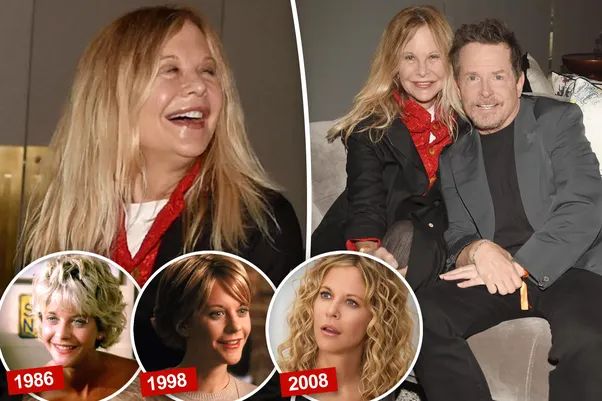
Meg Ryan's appearance changes highlight a deeper issue: AI beauty filters and algorithmic bias are automating unrealistic beauty standards. Instagram, TikTok, and beauty apps use machine learning to smooth skin, enhance features, and erase wrinkles in real-time. When celebrities see millions of filtered versions of themselves online, they face pressure to match an AI-generated ideal that doesn't actually exist. The algorithm rewards youth and perfection, shadowbanning natural aging. This creates a feedback loop where celebrities pursue procedures to compete with their own digital doppelgangers—a phenomenon that didn't exist before algorithmic image curation took over social media.
By YEET Magazine Staff | Updated: May 13, 2026
The real story isn't about Meg Ryan's personal choices. It's about how data-driven beauty standards have automated ageism. Recommendation algorithms prioritize engagement, and studies show content featuring conventionally attractive, youthful faces gets 30% more engagement. TikTok's algorithm doesn't care about authenticity—it optimizes for watch time. That means a 60-year-old actress gets shadowbanned unless she matches the filtered beauty standard the algorithm learned from millions of images.
Beauty filter technology uses neural networks trained on celebrity photos. These AI models literally learn what society considers beautiful, then amplify those features. When Meg Ryan sees herself trending on Twitter, it's often alongside side-by-side comparisons generated by viral filter apps. The algorithm doesn't compare her to herself—it compares her to an impossible, AI-smoothed version.
Hollywood's cosmetic surgery industry has become deeply intertwined with algorithmic beauty culture. Surgeons now use AI to preview procedures, and Instagram aesthetic trends drive demand. A 2023 study found cosmetic procedures increased 35% after the rise of beauty filter apps. The automation of beauty standards has literally automated plastic surgery demand.
The pressure isn't unique to celebrities. Gen Z uses beauty filters so much that dermatologists report a phenomenon called "Snapchat Dysmorphia"—people wanting procedures to match their filtered photos. The algorithm trained them to expect perfection; now the market is automating the supply.
What's the alternative? Some platforms (TikTok in the EU, Instagram's recent updates) now label AI-filtered content. But algorithms still optimize for engagement over authenticity. Until recommendation systems reward natural beauty equally, celebrities will keep feeling pressured to chase an ever-evolving, AI-generated ideal that shifts faster than aging ever could.
Could AI content moderation solve this? Maybe. Some researchers propose algorithmic "beauty diversity" systems that promote varied body types equally. But that requires platforms to deprioritize engagement—and engagement is what makes them money.
The uncomfortable truth: Meg Ryan's appearance isn't really the story. The story is that machine learning has automated the devaluation of aging women. Until we regulate beauty algorithms the way we regulate other harmful automated systems, celebrities will keep chasing filtered versions of themselves—and the rest of us will too.
People Also Ask
How do beauty algorithms actually work?
Beauty filter AI uses convolutional neural networks trained on thousands of celebrity photos. The model learns to identify and enhance features like symmetry, skin smoothness, and youth markers. Each filter application is an automated adjustment based on facial recognition data.
Do social media algorithms really influence cosmetic surgery demand?
Yes. A 2023 aesthetic surgery report found 40% of younger patients cited social media as their primary motivation. Filters and Instagram trends directly correlate with procedure requests. Surgeons now show AI-generated previews based on filter trends.
Is deepfake technology changing how we see celebrity faces?
Absolutely. Deepfake technology has made it impossible to verify authentic celebrity images. Some argue this creates more pressure to use filters—because unfiltered photos now look suspicious by comparison. The technology has essentially automated the expectation of image manipulation.
How are platforms addressing algorithmic beauty bias?
The EU's Digital Services Act now requires TikTok to label AI-filtered content. Instagram removed engagement metrics in some regions to reduce social comparison. But most platforms still optimize algorithmic recommendation for high-engagement content—which historically features conventional beauty standards.
What's the future of celebrity appearance and AI?
Expect more automated appearance curation: AI stylists, algorithmic makeup try-ons, and personalized beauty recommendations. The line between a celebrity's "real" appearance and their algorithmic brand identity will blur further. Some experts predict we'll need new regulations around synthetic media in entertainment.
Related Reading:
- How Deepfake Technology Is Automating Misinformation at Scale
- Algorithmic Bias: How AI Automates Discrimination in Hiring, Lending & More
- How Social Media Algorithms Are Automating Anxiety & Body Dysmorphia
- Can AI Moderate Itself? The Problem With Algorithms Regulating Algorithms
- The Gig Economy's AI Problem: When Algorithms Fire Creators Instead of Bosses