How AI-Powered Beauty Algorithms Are Personalizing Makeup Palettes in 2024
Forget browsing endless palettes. AI-driven recommendation engines now analyze your skin data, color preferences, and viral TikTok trends to suggest the perfect makeup palette before you even know you need it. Welcome to algorithmic beauty.

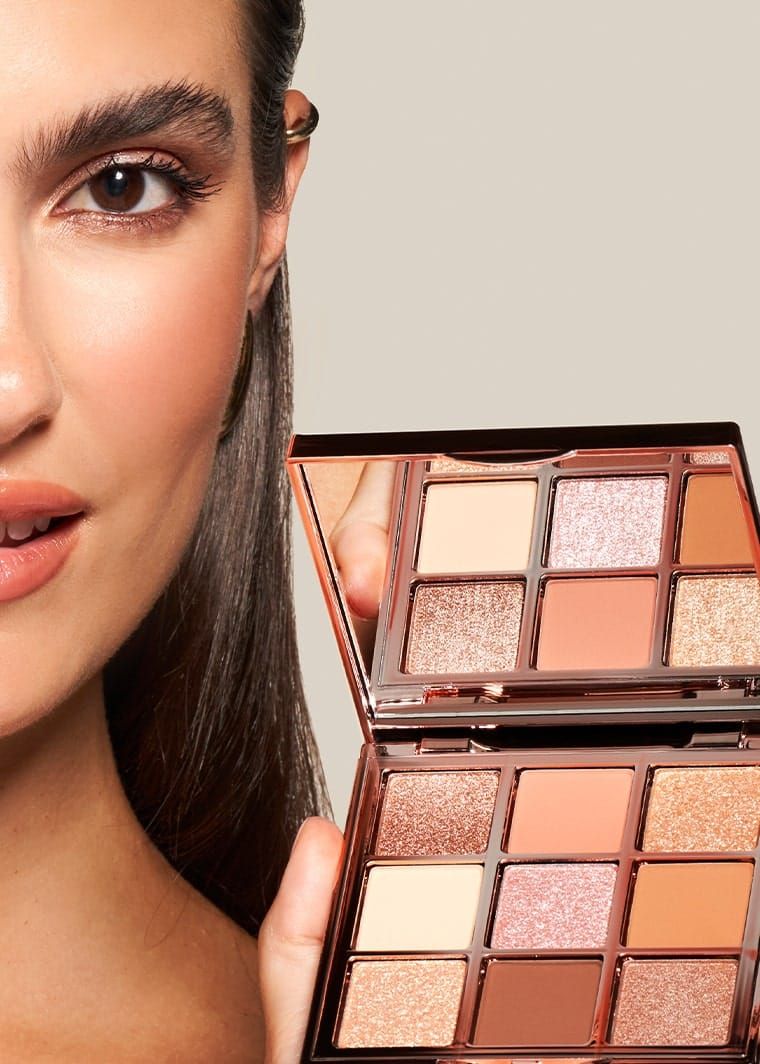
AI algorithms are fundamentally changing how we shop for makeup palettes. Instead of guessing, beauty tech platforms now analyze your skin tone, undertones, previous purchases, and trending TikTok aesthetics to auto-generate personalized recommendations. Brands using machine learning can predict what colors will actually work for you before you try them. This isn't just convenience—it's data-driven beauty hitting different. Retail is being automated at the recommendation layer, meaning fewer bad purchases and more targeted marketing based on algorithmic profiling.
By YEET Magazine Staff | Updated: May 13, 2026
The old way? Scroll Amazon, read 47 reviews, buy three palettes hoping one works. The AI way? Upload a selfie, let computer vision analyze your undertones, cross-reference trending colors from TikTok's algorithm, and get three curated recommendations. Brands like Milk Makeup and others are embedding these systems into their apps.
Beauty influencers used to dictate trends. Now, algorithm-driven data shows what's actually selling and what skin types are engaging with specific palettes. The algorithm sees the pattern before humans do. Your makeup collection is becoming data that feeds back into the recommendation engine, creating a feedback loop that gets smarter every time you purchase.
Retailers are automating inventory decisions too. If an AI predicts a specific palette color combo will trend in your region based on demographic data and climate patterns, they stock accordingly. This reduces waste and means palettes stay in stock longer because the prediction was accurate.
The magnetic palette trend? Probably driven by algorithm-detected convenience searches. Contouring palettes? Same thing. Data shows people search "easy contouring" + "beginner friendly," so brands create products meeting those exact algorithmic demands.
TikTok's algorithm itself is now part of the beauty supply chain. Viral makeup trends get detected, fed to inventory systems, and recommendations update in real-time. A color goes viral at 2 AM, your email gets a "trending now" push by 6 AM with AI-selected products. That's automation.
Professional makeup artists are using AI tools to build palettes optimized for specific skin tones and lighting conditions. Computer vision can now simulate how a palette looks on your face before purchase. Your phone's camera becomes the fitting room.
The trade-off? Your beauty preferences become data points in massive databases. Algorithms know your color preferences, your skin concerns, even your budget range. This data trains better recommendations but also feeds into targeted marketing systems you might not fully control.
Future palettes might be AI-customizable—sliders let you adjust undertones digitally before ordering your custom physical palette. The palette becomes user-configured through machine learning rather than fixed by brands.
Why this matters for your wallet: Algorithmic recommendations reduce impulse buys on palettes that won't work for you. Data-driven inventory means better pricing competition because demand forecasting is accurate. Automation cuts retail overhead, potentially lowering prices. Or brands pocket the savings—depends on the market.
What about those "must-have" palettes everyone talks about? That conversation is being shaped by algorithms now. Trending palettes from Ogree, Bloom, and Milk Makeup aren't just trending because they're good—they're trending because TikTok's algorithm promoted them, retail algorithms stocked them, and recommendation engines suggested them. It's a closed loop.
The beauty industry's future is automated personalization. Less browsing, more precision. Your next palette might be chosen by AI before you even know you need it.
People also ask about AI in beauty:
How do AI beauty apps scan your skin tone accurately?
Computer vision technology analyzes your phone camera image under various lighting conditions. The algorithm maps your undertones, compares them to a database of thousands of skin profiles, and matches you to colors with high accuracy. Most apps use multiple angles to reduce lighting errors. It's not perfect, but it's faster than trial-and-error shopping.
Can TikTok's algorithm actually predict makeup trends before they happen?
Not predict the future, but identify emerging trends faster than humans. The algorithm sees when certain aesthetics start gaining engagement and flags them to brands in real-time. By the time most people notice a trend, the algorithm already detected it and inventory systems responded. Speed advantage matters in beauty retail.
Do recommendation algorithms have bias?
Absolutely. If training data overrepresents certain skin tones, the algorithm gives worse recommendations for others. Some beauty tech companies are actively addressing this by diversifying training datasets, but it's an ongoing problem in the industry. Darker skin tones sometimes get fewer palette recommendations because datasets included fewer Black and Brown users.
Why are magnetic palettes showing up everywhere now?
Partly genuine innovation, partly algorithmic inventory decisions. Retailers noticed high search volume for "customizable makeup" + "sustainable" + "travel-friendly." Magnetic palettes hit all three data points, so inventory systems increased stock. Then recommendation algorithms promoted them. Technology and market demand fed each other.
Will AI eventually just recommend one "perfect" palette for everyone?
No, but it will get eerily accurate for individuals. The goal isn't one palette for everyone—it's the right palette for you specifically, determined through your data. That's more profitable for brands because it increases personalized upsell potential.
Related reading on tech transforming beauty and retail:
Check out how recommendation algorithms are reshaping e-commerce across all industries, not just beauty. The same machine learning that picks your makeup also influences what you see on Netflix.
Interested in how computer vision is automating retail inventory? Learn about cashierless stores and AI stock management.
Curious about the future of personalized shopping and what it means for privacy? That's where the real conversation is.