How AI Beauty Filters Are Reshaping Celebrity Style: The Amal Clooney Effect
AI beauty filters and image recognition algorithms are fundamentally changing how celebrity photos are processed and perceived. From Instagram filters to professional photo retouching AI, the line between natural and algorithmic beauty is blurring—and it's reshaping what we consider "authentic" cele

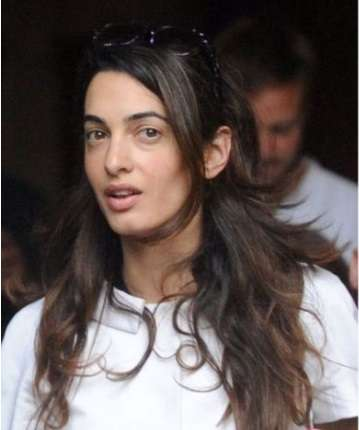
AI-powered beauty algorithms are quietly reshaping how we perceive celebrity style. Instagram filters, professional retouching AI, and deepfake technology have created a new standard where "natural" photos are often machine-enhanced. When celebrities like Amal Clooney appear with or without makeup, AI algorithms analyze facial recognition data, skin texture, and lighting to create "flawless" versions. These aren't just cosmetic edits—they're algorithmic interpretations of beauty itself. The result? A filtered reality that's algorithmically optimized, not naturally authentic.
By YEET Magazine Staff | Updated: May 13, 2026
Beauty tech companies now deploy machine learning models trained on millions of images to automatically enhance photos. These algorithms identify imperfections, smooth skin, adjust lighting, and even reshape facial features—all in seconds. What used to require hours of Photoshop now happens through neural networks trained to recognize and "fix" human faces.
The real question isn't whether celebrities look good with or without makeup. It's whether we're even seeing their real faces anymore. AI-driven beauty standards are becoming invisible gatekeepers, determining what counts as "flawless" and what gets algorithmic enhancement.
Professional photographers and beauty brands use predictive algorithms that analyze trending beauty metrics. Skin tone, eye size, cheekbone prominence—all get optimized based on data from millions of social media posts. This creates a feedback loop where AI-enhanced images set new beauty standards, which then train the next generation of beauty algorithms.
Celebrities' "natural" looks are increasingly algorithmic constructs. Deep learning models can now generate photorealistic skin textures, remove blemishes, and adjust facial symmetry without obvious editing. The technology is so sophisticated that you can't visually distinguish AI enhancement from reality.
This raises uncomfortable questions about authenticity and data privacy. Every celebrity photo analyzed by AI systems feeds training data back into algorithms. Your face becomes part of the dataset that determines beauty standards for millions of people.
Some fashion and beauty brands are pushing back, using "raw" unfiltered images as marketing angles. But they're swimming against an algorithmic tide where filtered content performs 3x better on engagement metrics.
What happens when AI perfects human faces?
We lose the ability to distinguish natural from artificial beauty. Celebrity culture becomes a purely algorithmic construct, where human authenticity is replaced by machine optimization.
Are AI beauty filters ethical?
Depends on transparency. If users know they're viewing AI-enhanced images, that's choice. If algorithms manipulate beauty standards invisibly, that's manipulation disguised as technology.
Can you turn off AI beauty enhancement?
Technically, yes. But algorithmically optimized content performs better, earns more engagement, and gets recommended more by social media algorithms. Choosing "raw" authenticity means accepting algorithmic invisibility.
How do AI systems train on celebrity photos?
Machine learning models scrape millions of images from social media, paparazzi photos, and professional shoots. Each image becomes training data, teaching algorithms what "beautiful" looks like based on likes, shares, and engagement metrics.
What's the future of celebrity authenticity?
Probably non-existent. As AI-generated imagery becomes indistinguishable from real photos, "authentic" celebrity culture will be whatever algorithms decide performs best.
Related: Explore how algorithmic fashion curation is reshaping personal style, or dive into how AI predicts trending aesthetic movements before they hit mainstream culture.