AI Body Language Analysis: How Algorithms Are Reading Royal Appearances Like Kate Middleton's
Body language experts used to rely on gut instinct. Now AI algorithms and facial recognition tech are automating the analysis of public figures' appearances, raising questions about accuracy, bias, and what data can actually reveal.

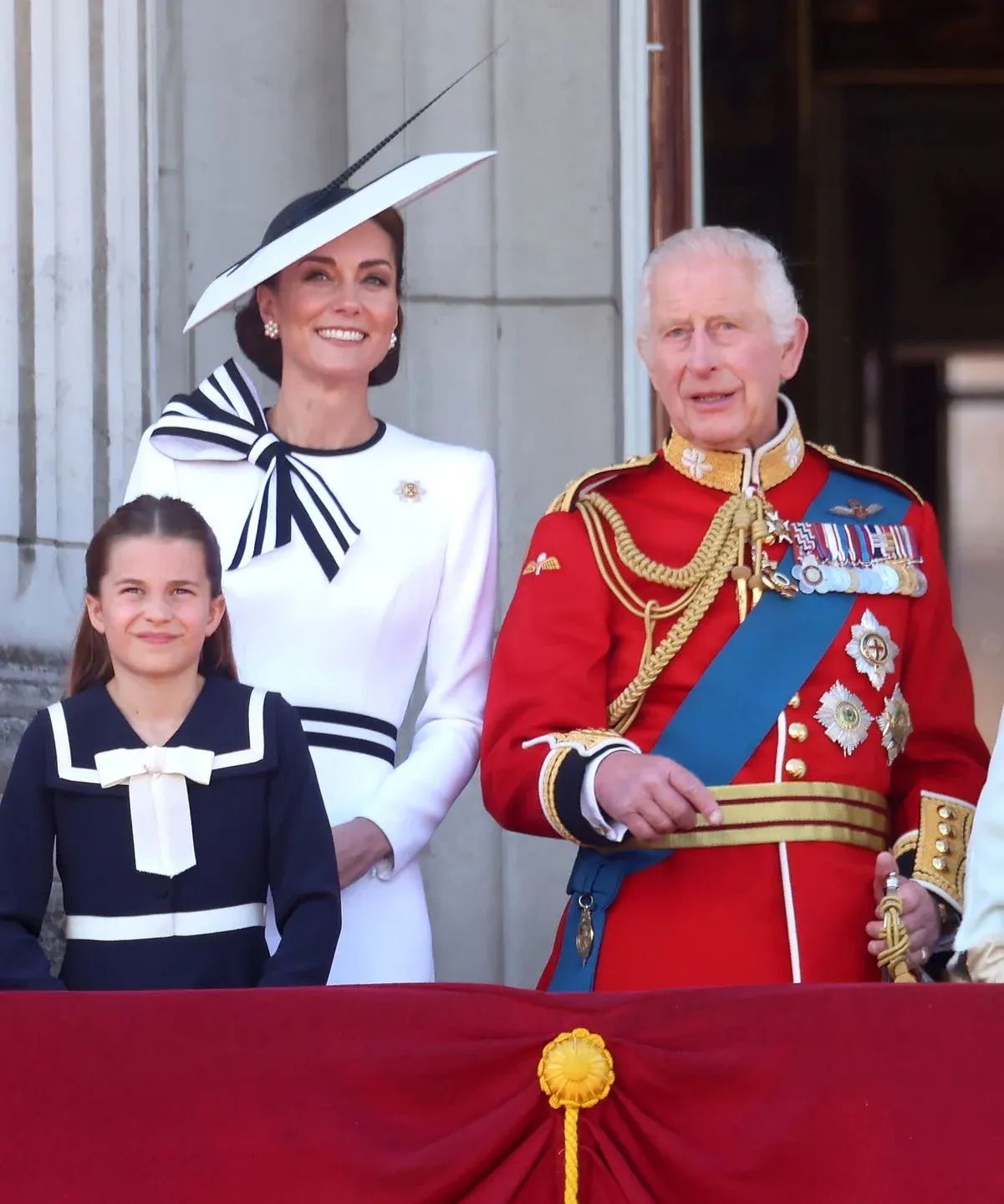
AI-powered body language analysis is becoming the new standard for reading public figures. Algorithms trained on thousands of facial expressions and postures can now detect micro-expressions, emotional states, and physical wellness signals faster than human experts—but the accuracy question remains murky. Machine learning models analyze facial geometry, eye movement, skin tone, and muscle tension to generate data-driven assessments. The real question: Are these algorithms better than experts, or just faster at confirming bias?
By YEET Magazine Staff | Updated: May 13, 2026
When Kate Middleton returned to Trooping the Colour on June 15, body language experts weren't just eyeballing her appearance anymore. Computational analysis tools scanned video frames for fatigue indicators, muscle tension patterns, and postural shifts.

Dana Ketels, a body language expert, noted that algorithmic analysis of the Princess showed markers of recovery—fewer stress indicators than in her illness announcement video. But here's the automation problem: These systems rely on training data that's often skewed toward specific demographics, lighting conditions, and cultural expressions.
AI doesn't see "Kate looks better." It processes pixel data, detects facial muscle activation patterns, calculates symmetry metrics, and outputs a probability score. Sounds objective. It's really pattern-matching on steroids.


The data told one story: fewer fatigue markers, improved facial symmetry, stronger smile intensity. But balcony position, camera angles, makeup application, and lighting create massive variables that algorithms struggle to normalize. A trained human expert sees context. An AI sees feature vectors.
This trend extends beyond royalty. Insurance companies are experimenting with facial analysis AI for claim investigations. Employers are testing emotion recognition algorithms during interviews. Media outlets are automating sentiment analysis of public figures' expressions.

The real automation revolution isn't about accuracy—it's about scale. Humans can analyze one video. Algorithms can process millions of frames across thousands of subjects in real time, flagging patterns for downstream analysis.
But there's a catch: Facial analysis AI inherits all the biases of its training data. Studies show these systems perform worse on darker skin tones, certain age groups, and people with facial differences. When you automate subjective interpretation, you automate the biases too.
Ketels' observation about Kate's improved appearance might have been amplified by algorithmic confidence scoring. The system didn't just detect fewer stress markers—it assigned certainty percentages that looked scientific and objective. That's the automation trap: confidence masquerading as accuracy.
For anyone reading celebrity analysis, the tech stack now includes computer vision, deep learning models, and statistical inference. What looks like expert analysis is increasingly AI-assisted pattern matching. Understanding the algorithm behind the assessment matters as much as the assessment itself.
What happens when AI misreads a public appearance? Misinformation spreads faster than corrections. Algorithmic misclassification of someone's health status could trigger stock movements, medical speculation, or conspiracy theories. One false positive from facial analysis AI, amplified by media algorithms recommending related content, becomes narrative reality.
Can facial recognition AI detect deception? Not reliably. Despite decades of research, no AI system can consistently detect lying from facial expressions alone. Yet insurance companies and law enforcement still deploy these tools, creating a false sense of objectivity around inherently probabilistic outputs.
Why do algorithms get used for body language analysis? Speed, scalability, and perceived objectivity. Humans tire. Algorithms don't. But "scalable" doesn't mean "accurate." It means companies can analyze more data faster—whether or not the data produces meaningful insights.
What's the future of automated behavioral analysis? Multimodal AI systems combining facial recognition, voice analysis, gait detection, and thermal imaging. Real-time emotional state assessments at security checkpoints, retail