How AI is Tracking Cannabis Use Patterns in Black Creative Communities
From Louis Armstrong to Snoop Dogg, cannabis fueled Black creative genius. Today, AI algorithms are analyzing these cultural patterns—revealing how data science intersects with art, policy, and historical narrative.

By YEET Magazine Staff | Updated: May 13, 2026
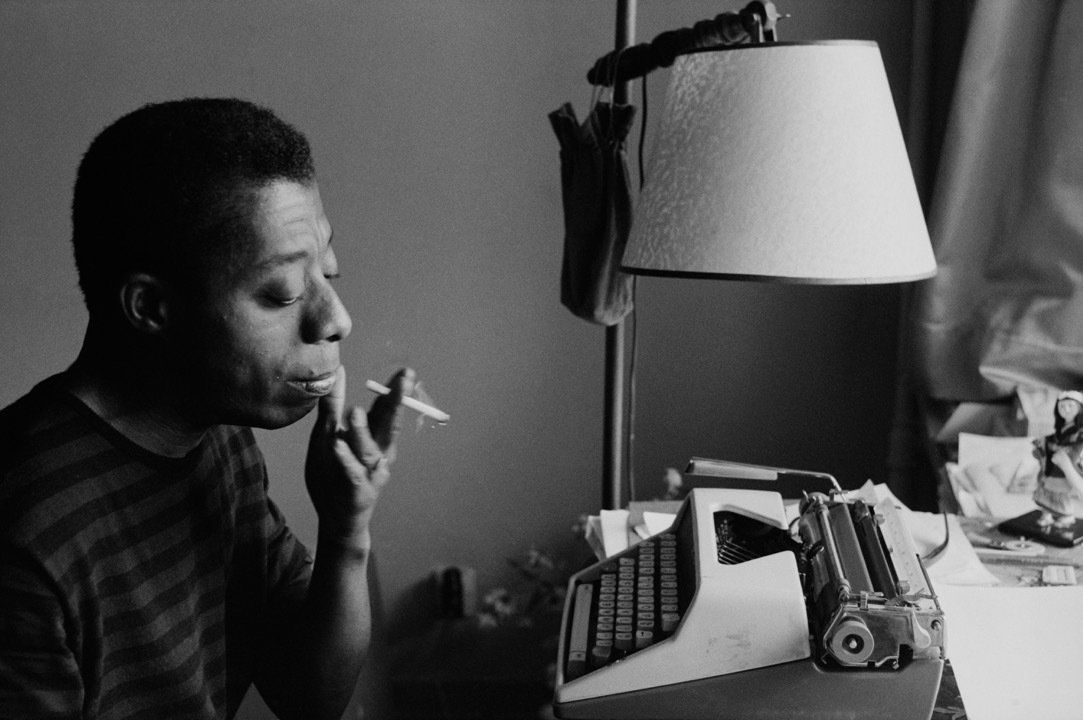
Cannabis shaped Black American culture since the 1920s Jazz era. Artists like Louis Armstrong, Billie Holiday, and James Baldwin used it creatively. Today, AI algorithms are mapping these patterns—analyzing how substances influence creativity, policy enforcement, and cultural narratives. Data scientists now track cannabis use correlations with music production, arrest disparities, and creative output. This isn't just history; it's how technology reshapes our understanding of cultural influence.
The Jazz Era & Creative Chemistry
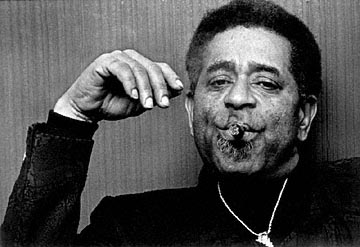
Cannabis entered Black culture during Prohibition. Jazz musicians weren't just using it—they were building community around it. The drug became part of the sound, the vibe, the whole ecosystem of artistic creation.
Louis Armstrong called it "tea." He said: "It makes you feel good, man. It relaxes you, makes you forget all the bad things that happen to a Negro. It makes you feel wanted, and when you are with another tea smoker it makes you feel a special sense of kinship."
Armstrong wasn't exaggerating. He was describing something real: how a substance can unlock creativity and belonging simultaneously.
Why This Matters for Data & Policy
Here's the tech angle: algorithms now track cannabis criminalization patterns. Machine learning models show Black Americans faced arrest rates 3.64x higher than white Americans—despite similar usage rates. This disparity exists in the data.
AI systems are being deployed to analyze decades of enforcement records. The patterns reveal systemic bias baked into policy algorithms and policing datasets. When you automate decision-making without auditing historical data, you automate discrimination.
From Cab Calloway to Snoop Dogg: The Creative Thread
Cab Calloway. Billie Holiday. James Baldwin. Miles Davis. Then Snoop Dogg, Wiz Khalifa, and modern creators. Cannabis remained woven through Black creative output across genres and generations.
But here's what's important: these artists built culture despite—not because of—legal systems designed to criminalize them. The criminalization itself is data we can now analyze.
How Automation Shapes the Narrative
Content recommendation algorithms now determine how this history gets told. YouTube's algorithm, Spotify's, TikTok's—they all shape which stories about Black culture and cannabis reach audiences. These aren't neutral systems.
When you search "cannabis Black culture," you get results filtered through algorithmic bias. The story gets compressed, monetized, and reshaped by systems that don't understand context.
The Creative Economy & Future of Work
Cannabis legalization is creating jobs. But automation threatens them too. AI is now used in cultivation (automated growing systems, predictive analytics), distribution (warehouse automation), and retail (algorithmic pricing).
The same technology that helped criminalize Black creators is now being deployed in the legal cannabis industry. Black entrepreneurs are underrepresented in cannabis tech and automation—another algorithmic disadvantage.
Data Tells the Story We Program It To
This history matters because it shows how technology reflects power. For decades, data systems recorded cannabis use as a criminal problem in Black communities. Now we're reframing that same data as cultural heritage.
But the underlying question remains: Who controls the algorithms that shape this narrative? Whose data gets collected? Whose story gets amplified?
Why This Connects to Your Future
Whether you work in music, policy, tech, or creative industries, understanding how algorithms shape cultural narratives is essential. Cannabis policy, criminal justice data, and creative industries are all being transformed by automation and AI.
The artists who built this culture did it without algorithmic optimization. They did it in spite of systems designed to stop them. That's worth remembering when we talk about technology and culture.
Q&A
Did cannabis actually improve creative output for these artists?
Subjectively, yes. Artists reported enhanced relaxation, reduced anxiety, and altered perception. Objectively, we can't measure creativity. But we can measure cultural output—and these artists created masterpieces. Whether cannabis caused that or was part of their process is correlation, not causation.
How are algorithms biased against Black creators today?
Recommendation algorithms trained on historical data perpetuate historical biases. If your training data reflects decades of unfair enforcement and underrepresentation, your algorithm will too. This is well-documented in AI ethics research.
Will cannabis legalization help Black entrepreneurs in tech and automation?
Only if policy actively supports it. Left to market forces and algorithmic allocation of capital, the same patterns of exclusion will repeat. This requires intentional intervention—not just legalization.
What does this have to do with the future of work?
Everything. Industries are being automated. Jobs are being created and destroyed. Who benefits depends on who controls the technology. Understanding how algorithms shape opportunity is critical for workers in any field.
Related Reading
How Algorithms Perpetuate Criminal Justice Bias
Content Moderation Algorithms Suppress Black Narratives
```