How AI Is Cataloging Hip-Hop History: Jay-Z's 'Book of HOV' Exhibit Uses Data & Algorithms
The Brooklyn Public Library's 'Book of HOV' exhibit isn't just celebrating Jay-Z—it's a masterclass in how AI, data systems, and algorithmic curation are transforming how we preserve and display cultural artifacts in the digital age.

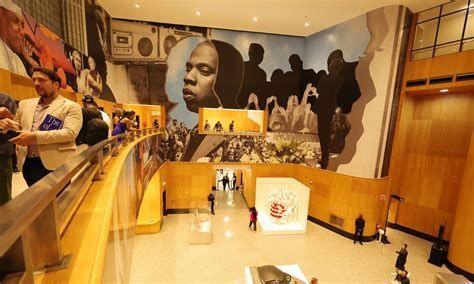
Jay-Z's 40,000-square-foot 'Book of HOV' exhibit at Brooklyn Public Library proves one thing: preserving hip-hop history requires serious tech infrastructure. Behind those never-before-seen images and curated artifacts sits a complex web of data management, machine learning for image recognition, and algorithmic organization systems. Museums and cultural institutions are increasingly relying on AI to catalog, preserve, and display historical materials at scale—and this exhibition is a prime example of how automation is reshaping cultural memory itself.
By YEET Magazine Staff | Updated: May 13, 2026
The exhibit spans massive physical space, but the real innovation happens behind the scenes. Archival institutions now use computer vision algorithms to tag and organize thousands of images, automated metadata systems to track provenance, and machine learning models to identify contextual relationships between artifacts. Jay-Z's personal archives—likely digitized and processed through similar AI-driven systems—become searchable, preservable, and shareable in ways that were impossible a decade ago.
Museums used to rely on human curators alone. Now they're partnering with tech teams to build intelligent systems that surface connections, identify themes, and create narrative arcs across massive collections. The "Book of HOV" exhibit probably benefited from recommendation algorithms suggesting which artifacts to pair together, data visualization tools showing career timelines, and automated tagging systems that make everything findable.

Digital preservation is becoming a competitive advantage for cultural institutions. The Brooklyn Public Library didn't just throw up some framed photos. They deployed a full tech stack: climate-controlled digital storage, backed-up archives, searchable databases, and likely interactive displays powered by data analytics. Every visitor becomes a data point, their engagement feeding algorithms that optimize the exhibition experience in real-time.
This shift matters because music history—especially hip-hop history—has traditionally been under-archived. Corporate institutions controlled the narrative. Now, as artists like Jay-Z take control of their own archives and institutions adopt smarter preservation tech, we're seeing a democratization of cultural memory. AI makes it possible to preserve, organize, and display materials at a scale that keeps up with digital-age creation rates.
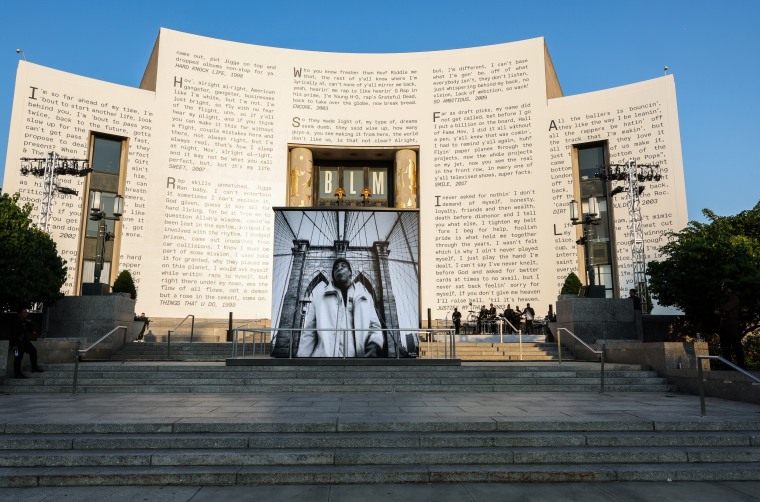
The future of museum curation is algorithmic. Curators now train machine learning models, interpret data dashboards, and make decisions informed by visitor behavior analytics. It's not replacement—it's augmentation. The most compelling exhibitions combine human creativity with computational intelligence. Jay-Z's exhibit honors an artist, but the infrastructure celebrating him is pure 21st-century tech.
What's next? Expect AR and VR integrations powered by real-time data about visitor flow, AI-generated contextual content, and blockchain-verified provenance for digital artifacts. Museums are becoming data-driven institutions whether they admit it or not. Cultural preservation is now a tech problem, and that means the institutions that win are the ones investing in AI-powered archival systems.
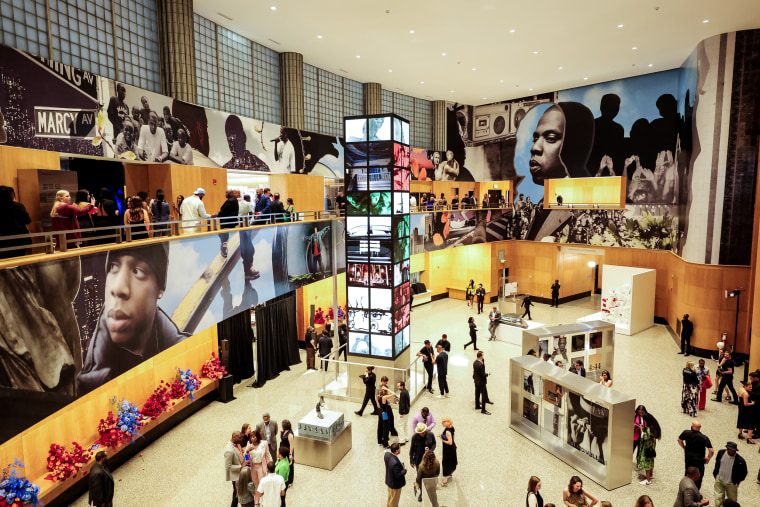
What role does AI play in modern museum curation? Machine learning algorithms now handle image tagging, metadata generation, and artifact categorization—tasks that previously required teams of human archivists. Computer vision can identify patterns across massive collections, while predictive analytics help museums forecast which exhibits will drive engagement. Museums use AI to personalize visitor experiences, recommend content, and optimize physical space layouts based on traffic flow data. Some institutions are even experimenting with generative AI to create contextual essays or interactive labels that adapt based on visitor demographics and engagement metrics.
How are cultural institutions preserving digital archives at scale? Cloud-based storage systems with redundancy, automated backup protocols, and AI-powered deduplication ensure that digital materials don't get lost. Institutions deploy distributed storage to hedge against server failures, use machine learning for quality control (checking image resolution, metadata completeness), and implement version control systems similar to software development. The real challenge is semantic preservation—not just keeping files, but maintaining context, relationships, and meaning across decades.
Can AI understand cultural significance? Not without human input. AI excels at pattern matching and data organization, but understanding *why* something matters culturally requires human interpretation. The best systems combine algorithmic efficiency (processing thousands of images) with curatorial judgment (deciding which narratives matter). This is why "Book of HOV" works—the exhibit merges AI-driven organization with human storytelling.
What's the copyright and rights management challenge? When you're digitizing personal archives and exhibiting materials publicly, you're entering a minefield of intellectual property, rights clearances, and licensing. AI helps here too—rights management databases, automated copyright matching, and blockchain-based provenance tracking ensure institutions operate legally. For Jay-Z's exhibition, his team likely worked through automated rights management systems to ensure proper attribution and licensing for every artifact displayed.
How do museums measure exhibit success now? Beyond footfall counts, institutions deploy sophisticated analytics: dwell time per artifact (how long visitors linger), heatmaps showing where people congregate, demographic segmentation, and social media sentiment analysis. Some museums run A/B tests on display layouts, using data to optimize visitor flow. The "Book of HOV" probably tracks which artifacts generate the most engagement, feeding that data back into how future exhibitions are designed.
For more on how technology is reshaping cultural institutions, check out how blockchain is changing art authentication or our piece on AI-powered content recommendation in creative industries. If you're interested in the broader shift toward data-driven culture, read about algorithmic curation reshaping how we consume media.