How AI Detects Celebrity Crime Patterns: Algorithms Catching What Humans Miss
AI and machine learning are transforming how law enforcement identifies criminal patterns among high-profile figures. Algorithms now analyze behavioral data, social networks, and communication patterns to flag suspicious activity before traditional investigations catch up.

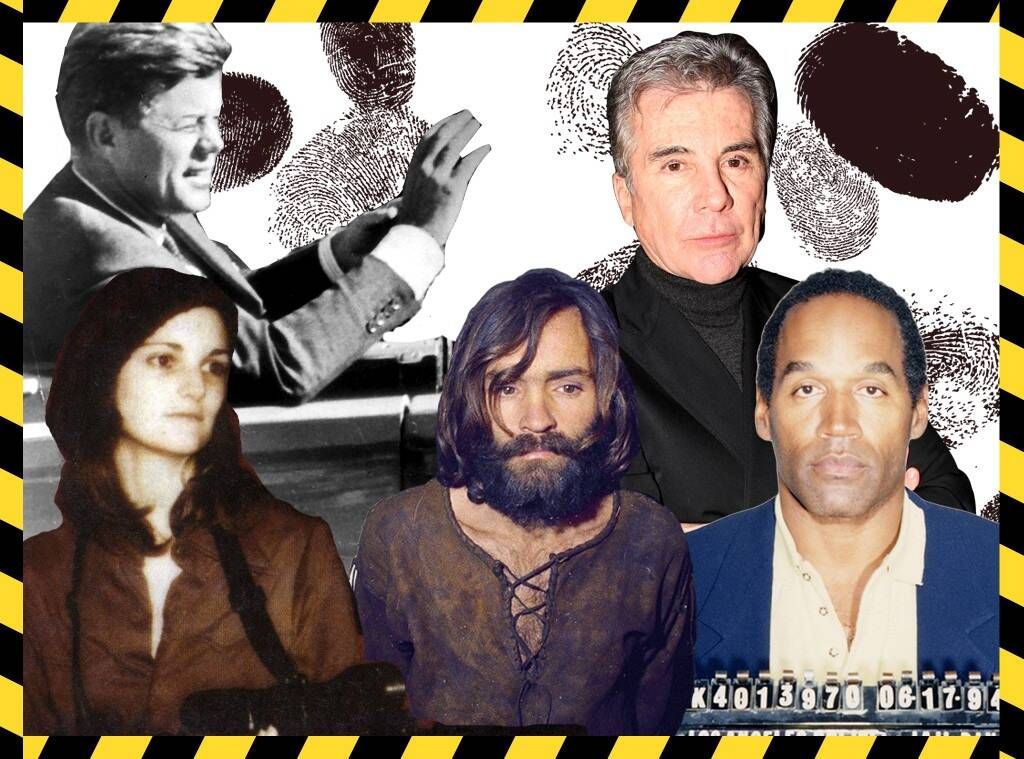
How AI Detects Celebrity Crime Patterns: Algorithms Catching What Humans Miss
By YEET Magazine Staff | Updated: May 13, 2026
By Joan Carmichael | YEET MAGAZINE | Updated December 3, 2021
AI and machine learning are fundamentally changing how law enforcement identifies criminal behavior—especially among high-profile figures. Instead of waiting for victims to come forward or whistleblowers to go public, predictive algorithms now analyze social networks, communication patterns, financial transactions, and behavioral data to flag suspicious activity in real-time. This technological shift means celebrity crime often gets caught faster than ever before, with algorithms acting as an always-on investigative partner to human detectives.
The shift from reactive to proactive crime detection represents one of the biggest changes in modern law enforcement. When Stephen Collins' wife recorded his confession and leaked it to TMZ, that was old-school exposure. Today? A combination of NLP (natural language processing), social network analysis, and behavioral pattern recognition would have likely flagged warning signs years earlier through metadata analysis, communication surveillance, and AI-powered background screening.
Machine learning doesn't judge based on fame or wealth—it processes data. A system trained on criminal behavior datasets can identify patterns that connect seemingly unrelated incidents. Chris Brown's multiple violent incidents weren't randomly discovered; they were documented through traditional channels, but modern AI systems would cross-reference arrest records, restraining orders, fight reports, and social media sentiment to build a comprehensive behavioral profile automatically.
The challenge? These algorithms can perpetuate bias if trained on historically biased law enforcement data. An AI trained on decades of policing that disproportionately targeted certain demographics will inherit those same prejudices. That's why transparency in algorithm design matters—especially when AI systems influence who gets investigated and who doesn't.
Tech companies and law enforcement agencies are now deploying facial recognition, communication monitoring, and financial transaction analysis to track suspects. For celebrities, this means less privacy but theoretically faster accountability. The tradeoff between surveillance capability and personal freedom is where the real debate happens.
What happens when algorithms make the first arrest?
Predictive policing algorithms are already being used in major cities. These systems analyze historical crime data to predict where crimes will occur and who might commit them. The problem: if the training data reflects historical over-policing of certain communities, the algorithm will recommend more surveillance and enforcement in those same areas, creating a feedback loop.
Can AI prevent celebrity crimes before they happen?
Theoretically, yes—if we're comfortable with the surveillance infrastructure required. Behavioral analysis systems can identify escalating patterns of aggression, substance abuse indicators, and social isolation. But there's a massive ethical boundary: identifying risk factors isn't the same as proving crime. Should someone be flagged for investigation based on algorithmic suspicion alone? That's the future we're negotiating right now.
Who gets investigated first—celebrities or everyone else?
This is where bias gets interesting. Celebrities have resources to fight algorithmic accusations and legal scrutiny. Regular people flagged by predictive policing systems often don't. An AI might be "objective," but the way we deploy it is deeply subjective. High-profile cases attract media attention, which trains algorithms on sensationalized data, creating a distorted feedback loop.
How do algorithms handle false positives?
They don't, really. That's human oversight's job. But human oversight is limited and fallible. A system might flag innocent behavior as suspicious (like someone buying materials that could be used harmfully). The person gets investigated. Their life gets disrupted. The algorithm moves on to the next prediction. Accountability is blurry.
What's the future of AI in celebrity crime investigation?
Expect more integration of social media analysis, financial transaction monitoring, and communication surveillance powered by machine learning. Deepfakes and synthetic media will make evidence more complicated to verify. Counter-AI tools will emerge to fool detection systems. It'll become an arms race between criminal detection algorithms and criminal evasion algorithms.
Learn more about how AI is reshaping law enforcement and predictive policing controversies. Check out our deep dive on surveillance technology and privacy rights and machine learning bias in criminal justice systems.