How AI is Reshaping Celebrity Memorials and Digital Legacy Management
Matthew Perry's passing exposed a gap between human grief and algorithmic chaos. As fans flooded social media, AI recommendation systems amplified emotional content unpredictably. We're entering an era where machine learning shapes how the world mourns.

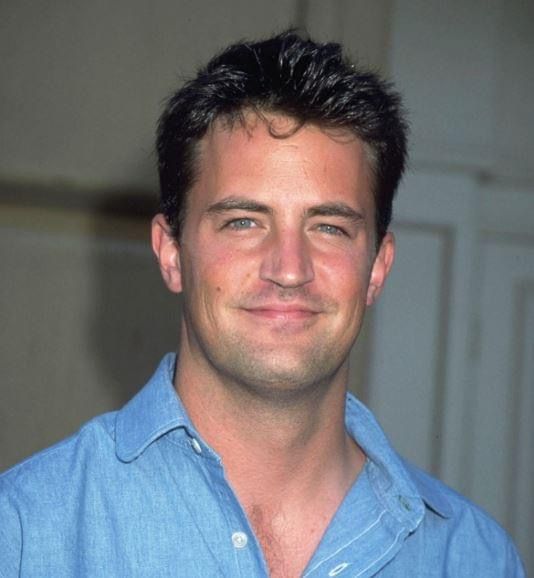
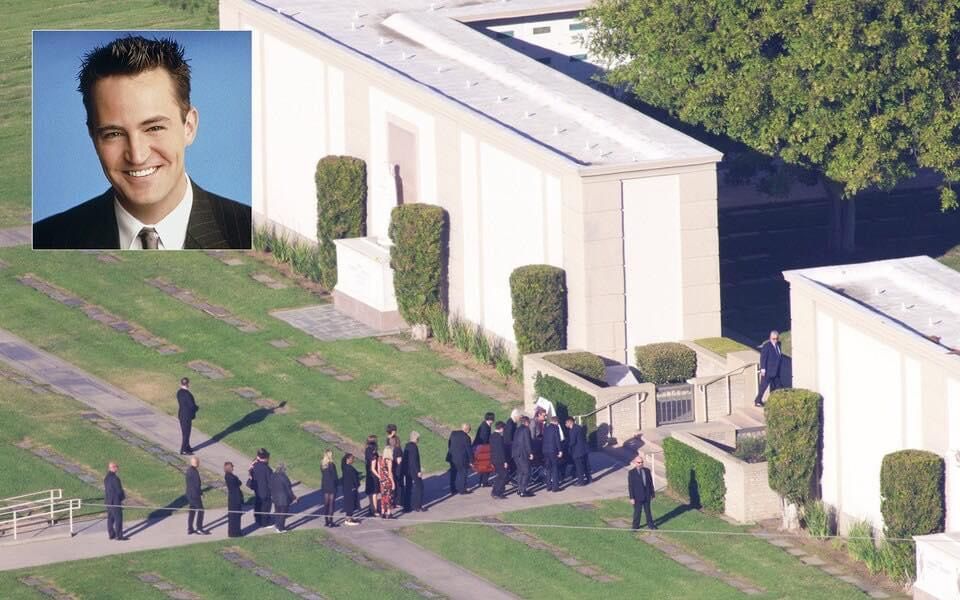
Matthew Perry's funeral raised an uncomfortable question: Who controls the narrative when a celebrity dies? While the Friends cast gathered privately at Forest Lawn Memorial Park in LA, millions online experienced the moment through algorithmic feeds, auto-generated timelines, and AI-curated recommendations. Social platforms used machine learning to surface emotional content, trending hashtags, and deepfakes—without human editorial oversight. This is the new reality of digital mourning, where algorithms shape collective memory more than ceremonies do.
By YEET Magazine Staff | Updated: May 13, 2026
The Private Ceremony vs. The Algorithm
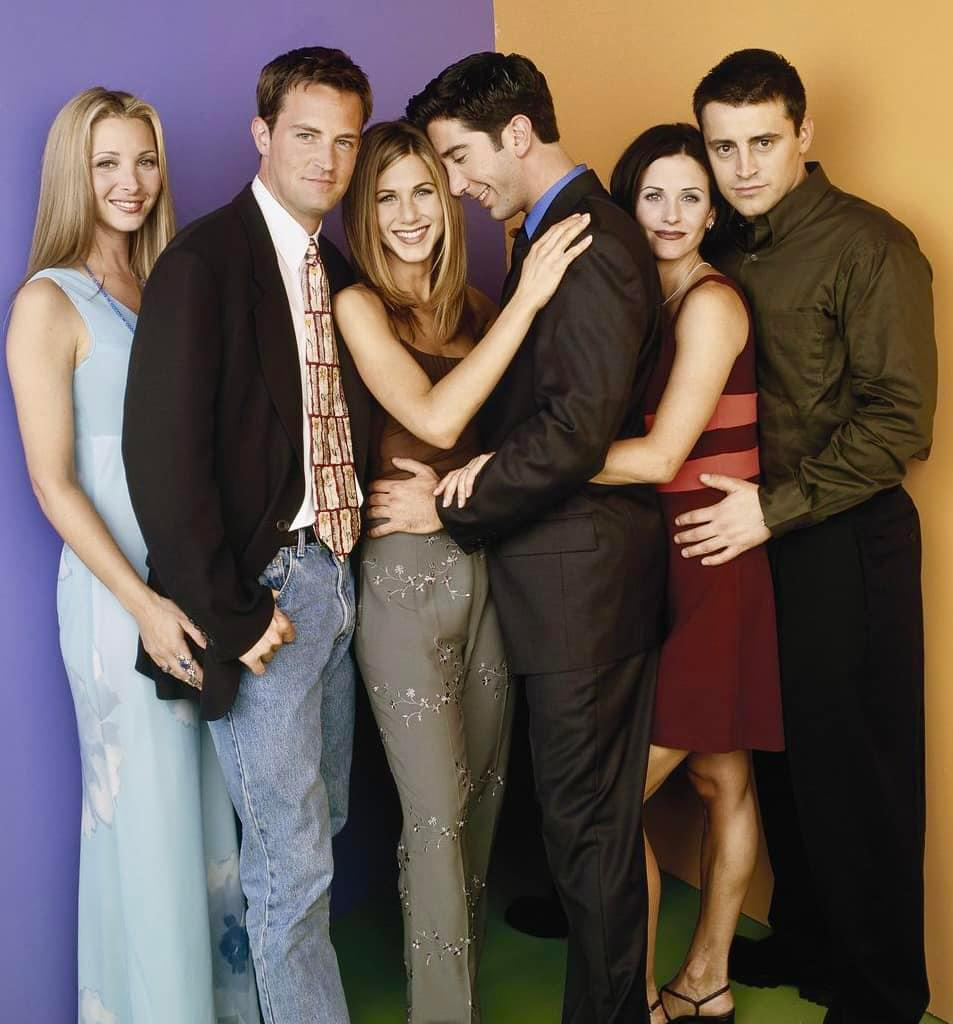
Jennifer Aniston, Courteney Cox, Lisa Kudrow, Matt LeBlanc, and David Schwimmer attended a small, private funeral. The ceremony was intimate. Intentional. Human-scale.
Meanwhile, TikTok, Instagram, and YouTube's recommendation engines were working overtime. AI systems auto-generated tribute compilations. Algorithms amplified emotional videos. Deepfakes of Perry circulated faster than fact-checkers could debunk them. The family wanted quiet grief. The internet's machine learning models had other plans.
How Automation Changed Mourning
Ten years ago, a celebrity death meant TV news anchors and printed obituaries. Today, it means algorithmic amplification on steroids. Platforms don't assign humans to every tribute. They deploy recommendation engines. These systems optimize for engagement—not accuracy or decency.
Bots auto-generated Perry memorial posts. Recommendation algorithms served them to users who'd never watched Friends. Automated content moderation missed harmful deepfakes. The infrastructure of digital mourning runs on automation now, and grief has become another optimization problem.
The Rise of Digital Legacy Tech
Companies are already building AI tools for "digital legacy management." These platforms store data about deceased people, curate online memorials, and manage accounts posthumously. Some use chatbots trained on the deceased person's social media to generate responses from beyond the grave.
It's not dystopian fiction anymore—it's a growing market. Platforms like Legacy Locker and Eternime are normalizing the idea that AI should manage how we're remembered. Perry's death happened in a pre-regulation moment. Next time, algorithms will be even more embedded in celebrity memorials.
What Happens to Content Attribution?
Here's the problem nobody's discussing: Who owns the narrative? When algorithms decide which Perry tributes trend, they're essentially ghostwriting cultural memory. AI systems have no understanding of context, nuance, or what Perry actually meant to people. They just know what drives clicks.
The Friends cast gave the world genuine grief at Forest Lawn. The algorithm gave the world engagement metrics. One is human. The other is scalable. Guess which one won.
The Future of Algorithmic Mourning
As celebrity deaths become more frequent in an aging entertainment industry, platforms will deploy smarter AI. Expect neural networks trained to predict which memorial content will trend. Expect automated video generation. Expect recommendation systems that decide how millions experience loss before any human makes a choice.
This isn't about disrespect—it's about infrastructure. The systems we build today become the way we grieve tomorrow. And right now, those systems run on algorithms, not empathy.
What happens when a celebrity dies? Their social media accounts get archived, memorial pages auto-generate, and recommendation algorithms decide which tributes reach billions of people—usually without human editorial review.
Can AI deepfakes of deceased celebrities be regulated? Not effectively yet. Most platforms catch obvious fakes, but sophisticated deepfakes trained on years of footage slip through. New detection tech is being developed, but it lags behind deepfake generation speed.
Will AI manage our digital legacies after we die? Probably. Legacy tech startups are already building systems where chatbots respond to messages using your digital footprint. It's legal in most places and growing fast.
How do algorithms decide what memorial content trends? The same way they decide everything—engagement signals. Emotional content, videos, and nostalgia fuel algorithmic ranking. There's no human filtering for context or appropriateness.
Related Posts:
Why AI Content Moderation Fails During Crisis Moments
Deepfakes, Celebrity Deaths, and the Future of Authentic Media
How Recommendation Algorithms Actually Shape What We Believe
Talking to AI Versions of Dead People: Ethics of Digital Resurrection