How AI Content Moderation Failed to Control the Prince William Rumors Machine
The Prince William-Rose Hanbury rumor cycle reveals a critical flaw in how AI systems handle persistent misinformation. Despite palace statements and content moderation efforts, algorithmic amplification keeps unverified claims trending—exposing major gaps in automated fact-checking and reputation m

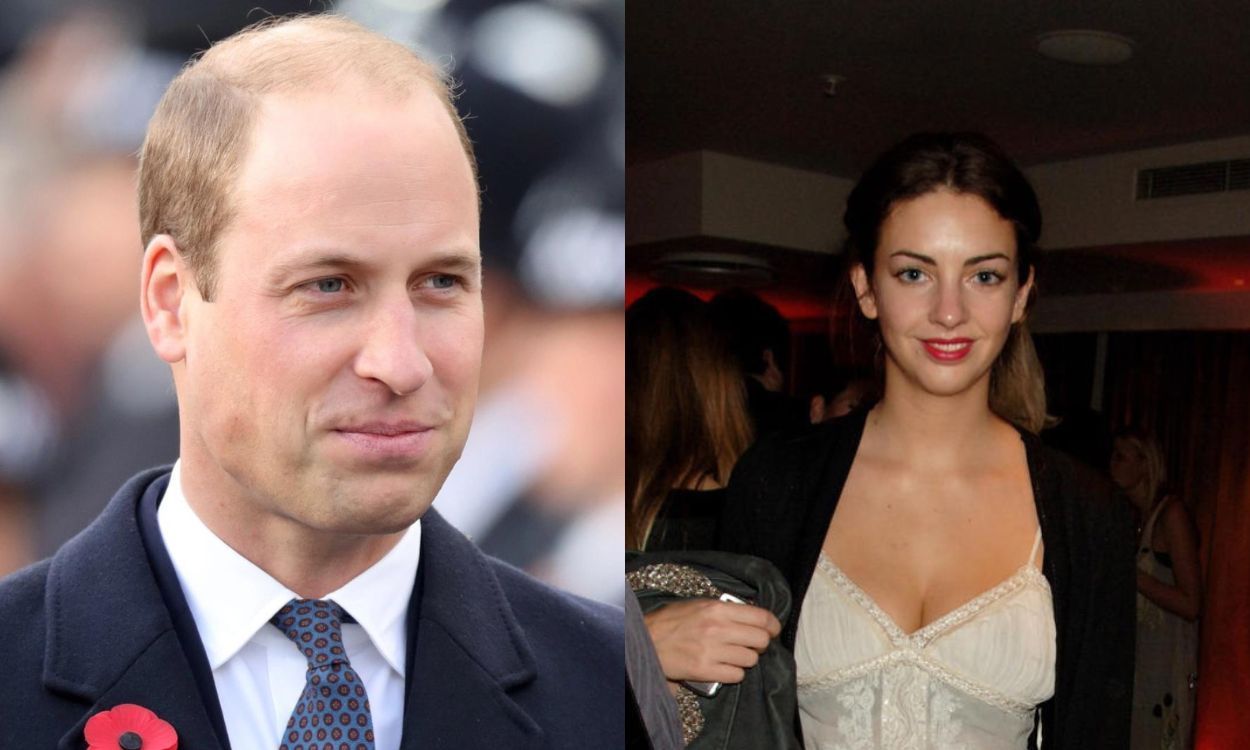
How AI Systems Failed to Stop the Prince William Rumors From Going Viral
By YEET Magazine Staff | Updated: May 13, 2026
The endless cycle of unverified Prince William-Rose Hanbury rumors reveals a brutal truth: AI content moderation isn't ready for sophisticated misinformation campaigns. Despite Kensington Palace denials and platform policies, algorithmic recommendation systems keep resurfacing the same conspiracy theories. Reddit threads, TikTok videos, and Twitter posts mutate faster than fact-checkers can respond. This isn't just tabloid drama—it's a case study in why AI-powered content control is fundamentally broken when it comes to persistent, emotionally-charged narratives.
Search algorithms amplify whatever gets clicked most. Reddit discussions about Prince William cheating generate engagement. TikTok's algorithm doesn't care if claims are verified. Instagram doesn't suppress posts just because they're unsubstantiated. The result? Misinformation becomes self-perpetuating. Each new mention trains recommendation models to show similar content to more users. The palace's official denials barely register against the algorithmic weight of viral speculation.
Current AI moderation tools rely on keyword detection and pattern matching. They're terrible at nuance. They can flag "explicit harassment" but miss coordinated rumor campaigns. They can remove individual posts but can't stop narrative momentum. A single unverified claim gets reshared 10,000 times before human moderators see it.
The real problem? Automation can't replace human judgment about context, credibility, and intent. Until content moderation systems can understand *why* people spread rumors (emotional validation, distrust of institutions, entertainment), they'll keep losing to the misinformation machine.
What Does This Mean for Future Content Control?
Major platforms are investing billions in AI moderation, but the Prince William case shows the limits. You can't automate away collective belief. You can't algorithm your way out of a culture that prefers juicy stories over verified facts.
The next generation of content control will need hybrid systems: AI for speed, humans for judgment, blockchain for verification, and data transparency for accountability. Until then, expect more rumor cycles that AI simply can't contain.
Questions We're Seeing People Ask
Why can't AI stop misinformation from spreading?
Current algorithms optimize for engagement, not accuracy. Controversial claims generate more clicks, so recommendation systems naturally amplify them. Human moderators lag behind viral velocity by hours or days.
How do fact-checkers compete with automated amplification?
They can't, at scale. A single fact-check article reaches maybe 100K people. A viral TikTok reaches 10M. The speed of misinformation vastly outpaces correction.
Will better AI solve this?
Not alone. The issue isn't just technical—it's cultural and economic. Platforms profit from engagement, not accuracy. Until that incentive structure changes, no amount of AI will fix the problem.
What's the role of data in misinformation spread?
Platforms collect behavioral data that trains algorithms to predict what keeps users scrolling. Misinformation is sticky. The data proves it works. So systems optimize for it, whether platforms admit it or not.
Related Reading
Interested in how automation shapes information ecosystems? Check out our deep dive on algorithmic bias and viral content. Or explore why current content moderation hits a wall. For broader context on automation's unintended consequences, we've got you covered.